 800.625.8238
 chat
chatHard-to-Find Craft Beers
and Club Exclusive Selections
Spring Sale 2024! - Save up to $30
Spring Sale 2024!
Save up to $30
Copy & Enter One of These Codes
|
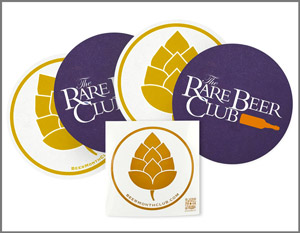 PLUS! FREE 4 Coaster & Hop Sticker Set with all orders of 3 shipments or more! |
Copy & Enter One of These Codes During Checkout in Your Cart:
$10 off any 4-shipment order:
$15 off any prepaid 6-shipment order:
$30 off any prepaid 12-shipment order: PLUS! FREE 4 Coaster & Hop Sticker Set with all orders of 3 shipments or more! |
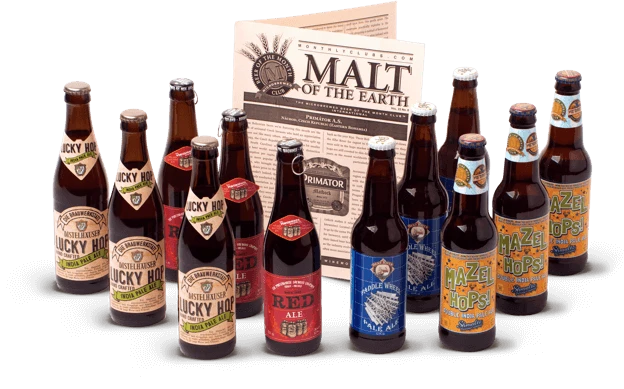
Choose from 5 Unique Beer Clubs

and Club Exclusive Selections


Choose From Five Clubs


Design Your Own Club
After 30 years as the President of The Microbrewed Beer of the Month Club™, I’m as passionate about beer as I was when we started. And I’d like to share that passion for exploration and discovery with you.

Kris Calef
President and Founder

The same panel of brewmasters and beer judges formed in 1994 meets regularly to ensure that you receive quality, exciting, and innovative craft beers each month.

"I have to admit that getting a new shipment delivered every month is like Christmas morning 12 times a year."

Scott Centea, NC
"Thank you for so many great beers. You've made my husband very happy, you've made me Wife of the Year..."

Lesley Gwin, FL
"I've been a member for 12 years & enjoyed it so much, I added a 2nd membership to The Rare Beer Club."

Cody Christman, CO
"You guys are doing a wicked pissah job (that's New Englander for very awesome).."

Adam Burnett, MA
"Thank you for bringing the love of beer into our home and bringing friendships close together."

Sherea Malcolm, NJ
"Many of us have exotic tastes in beer and the BOTMC has still opened our eyes to new beer horizions."

Don Clutterbuck, NY











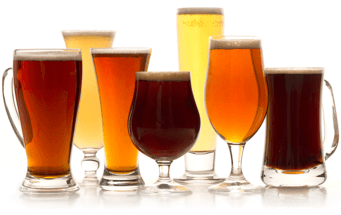
Choose from Five different Beer Clubs offering unmatched variety by brewery,
country of origin, and beer style to suit your specific tastes.
With any, or all, of our 6 Monthly Clubs
Design Your Own Club Responsive Customer Service
Our friendly and knowledgeable customer service team will help you with any questions. You may also place orders over the phone.
Mon-Fri, 7am - 4pm Pacific

 Rated Customer Service
Assuring satisfaction to over 2,000,000 CUSTOMERS since 1994 has earned us an
rating from the BBB. A BBB Accredited business since 10/05/2005
Our 100% satisfaction guarantee ensures that every item you purchase at The Microbrewed Beer of the Month Club meets your high standards or we will replace it or refund your purchase.
With a membership to The U.S. Microbrewed Beer Club, The International Beer Club, The U.S. and International Variety Beer Club, The Hop-Heads Beer Club, or The Rare Beer Club®, your or your gift recipient will receive exceptional beers from the best craft breweries in the world.