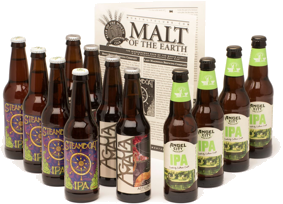
The Microbrewed Beer of the Month Club

Past Newsletters

April 2008

Brewery
Beers Featured
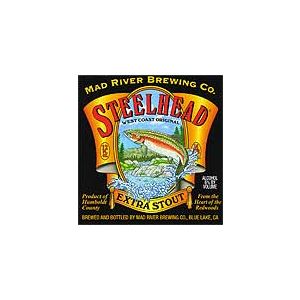
Mad River Brewing Company Steelhead Extra Stout
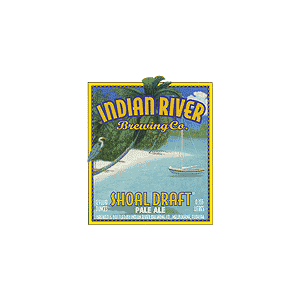
Florida Beer Company Indian River Shoal Draft Pale Ale
Mad River Brewing Company Jamaica Brand Red Ale
Florida Beer Company Indian River Amberjack Beer
Brasserie Lefèbvre (Belgium) Blanche De Bruxelles
Brouwerij De Koninck (Belgium) De Koninck

Mad River Brewing Company

In the midst of massive redwood trees in northern California is the small town of Blue Lake, population 2,800. This juxtaposition of small and large, and the imagery it conjures up, is fitting on many levels; the Mad River Brewing Company was founded here in 1989 and is itself a microbrewery, started by a small number of people with a big idea, and this tiny brewery handcrafts some very big beers. They have garnered a plethoric array of awards for the brewery—far too many to list here, but we encourage you to check out their awards listing at their website (http://www.madriverbrewing.com/pages/awards.html).

Having founded the brewery nearly 20 years ago, brewmaster Bob Smith was at the forefront of the microbrewery revolution. Now, he and his brewery staff are leading the charge of the green/eco-centric movement. The brewery's goal is to have 0% waste. A radical idea? Perhaps, but not impossible. In fact, many cities around the world are moving toward similar initiatives such as 0% landfill waste over the next 20 years (Austin, TX is one such city considering this path). The Mad River B.C. has been able to achieve a waste reduction rate of 98%. How do they do it? They purchase and reuse equipment and materials related to all facets of the beer business. This approach saves money, which is critical for a small brewery, but also reduces pollution that would be directly created by the brewery, and created indirectly in the process from the mining of raw materials, energy generation, and production of new goods. The bulk of waste produced by a brewery is organic (spent grains, hops and yeast) and used water (mainly from cleaning brewery equipment, glassware, etc.) Mad River sends over ten tons of spent barley malt and yeast annually as feed for local livestock or fertilizer supplements & composting material. Likewise, all of their spent hops are composted. In 2000 they added a waste-water treatment plant to the brewery.

And we thought they were just bad ass brewers—turns out they're eco-savvy environmentalists too. It's a true feel-good combo. Now helping to save the earth is as simple as drinking a Mad River beer (just be sure to recycle that bottle!!)

For more information about the brewery and scheduled tours call (707) 668-5680, or visit their website at www.madriverbrewing.com.

Steelhead Extra Stout

Mad River Brewing Company Steelhead Extra StoutThis black-as-night brew is capped by a very dark brown head—one of the darkest you're likely to encounter. Tons to discuss in this complex brew—on the nose, look for a robust coffee aroma, chocolate pudding, some sticky grapefruit-like hop notes, treacle, ash, overripened plums, tobacco, singed maple syrup, black liquorice, burnt chocolate coated figs, and a mild smokiness in the back. A bigly complex beer from a tiny town in Northern California. The massive nose indicates a complicated flavor profile will ensue. All of the elements of the bouquet show up on the palate, but there's an additional chalky dryness that breaks late and helps keep the sweeter elements from becoming cloying. The extended finish lasts for minutes (rather than seconds as is the case for most beers), slowly progressing from bittersweet chocolate to dark-roasted coffee to figs to smoky maduro cigar tobacco to dark, plummy notes—all glazed with subtle citrus flare, and rounded out with a light touch of campfire smoke. While it is labeled as an extra stout, it doesn't quite drive home the potent bitterness that this style typically showcases—which is perfectly fine by us. In fact, we'd say this is like a lower-ABV version of a Russian Imperial Stout (which tend to run in the 8-10% ABV range)—it certainly has all the flavor of that style, but you could safely put a few of these away in one sitting without getting utterly blitzed in the process. A great beer for a stout and vanilla ice cream float.

Serving Temperature: 50-60° F
Int'l Bittering Units: 33.0
Alcohol by Volume: 6.0%
Suggested Glassware: Snifter or Mug
Malts: Pale, Crystal, Chocolate, Roasted, Black
Hops: Magnum, Cascade, Willamette

Jamaica Brand Red Ale

Another big beer from the very small town of Blue Lake, CA. On the nose, expect a prominent, deeply layered hop character. Look for notes of grapefruit, anise/licorice, spruce, a distinctly sap-like resinous character and tangerines soaked in maple syrup. There are stern hop flavors that provide ample bitterness, but the malty sweet character stands strong in balance. Note a distinctly nectar-like character to this beer; it is slightly floral, rather citrusy, and robustly spicy. The beauty here is this all comes from the hops—a skillful hand is clearly at work here! The citrusy character slides away in the finish, leaving behind notes of fresh grains and resinous hoppy bitterness. This is a solid, solid beer and is a tribute to the American microbrewers' skill of packing vibrant, powerful flavors into a balanced beer. The brewery recommends pairing with savory crepes, pasta with white sauce, or grilled chicken. We'd like to add well-done (nearly burnt crust) white pizza from a wood-burning stove to that list. A very memorable red ale. However, at 6.5% ABV, it is quite possible that if you have too many in one sitting, you won't remember much of anything.

Serving Temperature: 45-50° F
Int'l Bittering Units: 42.0
Alcohol by Volume: 6.5%
Suggested Glassware: Pint Glass or Mug (clear)
Malts: Pale, Crystal, Black and Wheat
Hops: Magnum, Summit, Cascade, Willamette

Florida Beer Company

The Florida Beer Company is the brainchild of company president Humberto Perez, a third-generation brewer whose grandfather founded one of the largest breweries in Venezuela—Cerveceria—in 1929. The company is comprised of a number of brands, with a common theme of Floridian pride. Humberto's vision is to create a regional brewing presence that will bring long-sought recognition to Florida's burgeoning microbrewed beer scene. The Indian River Brewing Company, where these beers are brewed, is a small brewery, located on Florida's east coast in Melbourne. It was founded by Bruce Holt and brewmaster Jack Owen in 1977 (which makes this one of the oldest microbreweries in the country). Each batch of beer is microbrewed by hand with little to no automation—reflecting the company's dedication to using traditional brewing methods to create individualistic beers.

For more information about the brewery and scheduled tours, call (321) 728-4114, or visit their website at www.floridabeer.com.

Indian River Shoal Pale Ale

Florida Beer Company Indian River Shoal Pale AleThis American Pale Ale is made with a generous portion of Cascade hops from the Pacific Northwest. Expect a moderate hop presence on the nose, with subtle pine notes, but leaning more toward earthy, slightly grassy hops, balanced by notes of toasted malt. On the palate, look for floral, perfumy hop flavors with a strong, edgy hop bitterness and notes of candied lemon peel. In the finish, note a slight touch of scotch and a resurgence of toasted malt notes. Pair with lamb kebabs and grilled veggie skewers.

Serving Temperature: 38-42° F
Int'l Bittering Units: 24.0
Alcohol by Volume: 3.7%
Suggested Glassware: Pint Glass
Malts: 2-Row Pale
Hops: Cascade

Indian River Amberjack Beer

This beer's Floridian heritage is clearly alluded to via an image of the state on the label. On the nose, expect faint whiffs of peaches and a flowery (lilac?) note as well as a hint of nuttiness. This brew goes down with more citrus flavors than would be suggested by the bouquet, and additionally presents notes of grape and a flourish of caramel. Look for a flash of peppery hops early in the finish and a gently acidic final note. You could throw this one at anything from caramel apples to quiche to chili con carne.

Serving Temperature: 38-44° F
Int'l Bittering Units: 22.0
Alcohol by Volume: 5.1%
Suggested Glassware: Stange or Pint Glass
Malts: 2-Row Pale, Caramel
Hops: German Hallertau

Brasserie Lefèbvre—Quenast, Belgium (Wallonia—Central Belgium)

A stone quarry town since the late 1800s, Quenast, Belgium has long been a town where great thirsts beg to be quenched. In 1876, local gamekeeper, farmer, innkeeper and brewer Jules Lefèbvre answered the call to bring his slaking slew of suds to the town. The Lefèbvre Brewery has been in near-constant operation since then, remaining a family-run craftsman business through six generations of Lefèbvre brewers. We say near-constant because in 1916, during World War I, the brewery was dismantled by order of the Germans, who commandeered its metals. But just after the war, in 1921, Jules's son Auguste set up shop in a new location, taking over a bankrupt brewery—and this is where the brewery remains to this day.

Along with Auguste, the 3rd generation of Lefèbvre brewers, Gaston Lefèbvre, entered the scene and oversaw various modernization projects that would allow for better production quality and an increase in beer volume. Even though elements were 'modernized,' beer was still made in a coal-fired kettle that used ambient wind currents from the valley below the brewery to control the intensity of the flames (that fire-fed kettle is still in use to this day). Unfortunately, as World War II did for so many breweries throughout Europe, operations were again jeopardized. Thankfully, this time around, the brewery was not dismantled, but it was dealt a blow by being restricted to producing only a 0.8% alcohol beer until about 1945.

Pierre Lefèbvre, 4th generation family brewer, took up the reigns from 1960 until 1975, when the torch was passed again to his son Philippe Lefèbvre. The 6th generation of Lefèbvre brewers, Paul Lefèbvre, joined the team in 2002. Today, under Paul's stewardship, this family brewing operation produces a wide range of different beers, from honey-laced lagers to Abbey Ales to various fruit beers (Kriek (cherry), Pèche (peach) and Framboise (raspberry)—and of course, the delightful Wit bier featured this month. While we find their beers to be quite refreshing, we believe that their traditional, family-run business model is equally so!

For more information about the brewery check out their website at www.brasserielefebvre.be.

Blanche De Bruxelles

Brasserie Lefèbvre Blanche De BruxellesThis beer was originally named "Manneken Pis"—so, it's not all that surprising that between the name (sound it out people) and the can't-miss image of a young boy relieving himself on the label—that this beer was banned from being imported into Ohio and Pennsylvania in the late 1990s. "Offensive and not in good taste" said Ohio. "Lewd" claimed Pennsylvania… Some time later, the name was changed to Blanche De Bruxelles, but the image remained… That was enough to lift the bans. Go figure… Liquor laws and the geniuses who "enforce" them (read: arbitrarily decide what's right and what's wrong). Perhaps if those "authorities" had taken the opportunity to learn about the history of the name and the depiction, there wouldn't have been a problem in the first place. The Manneken Pis is an early 17th century bronze statue and is considered Brussels' official mascot. The statue is sort of like Brussels' version of Paris' Eiffel Tower. The statue, which depicts a small boy urinating atop a fountain, is located near the famed Grand-Place in the center of historic Brussels, the capital of Belgium. The first mention of this statue dates back to 1377, but the current version is a copy; the original was kidnapped by French soldiers in 1747. As restitution, King Louis XV of France presented the statue with a gold-embroidered suit.

To properly serve this style of beer (wit bier), you should master the following pouring technique: pour 2/3 of the bottle into a pint clear mug or pint glass. Then, vigorously swirl the remaining 1/3 in the bottle in order to fully rouse the sediment—then give that a good hard pour into your glass. The result should be a properly cloudy pint with little to no sediment left behind in the bottle.

On the nose, expect prominent orange notes, and a very noticeable sour quality (from the unmalted wheat), a touch of cream, honey, unripe apricot, and the slightest hint of butterscotch. The flavor is a lot like the nose, but the sour character is more prominent. This sour quality is the hallmark of this style of beer, as it provides for thirst-quenching character. Look for notes of melon (honeydew), under-ripened apricots, and coriander, which contributes a subtle spiciness. Notice how the citrus qualities work very nicely against the crisp, sour qualities of the wheat. Finishes with a slight hint of blonde tobacco and a gentle dosing of hops. This is actually a great "breakfast beer" that will pair very well with freshly sliced peaches and cream, or a goat-cheese omelet. If you're looking for artisanal, boutique-style cheeses, pay us a visit at www.monthlyclubs.com, where you can learn more about our Gourmet Cheese of the Month Club. Members get three cheeses each month, with a detailed newsletter describing each style, the dairies that produced them and in-depth tasting and pairing notes.

Serving Temperature: 45-50° F
Alcohol by Volume: 4.5%
Suggested Glassware: Clear Mug or Pint Glass

Brouwerij De Koninck—Antwerp, Belgium (Flanders—Northern Belgium)

The history of the Brouwerij De Koninck began in 1827 when Joseph Henricus De Koninck bought 'De Plaisante Hof,' a coach house which stood on the boundary between Antwerp and Berchem, Belgium. On this site there stood a stone boundary post with a sculptured hand. This boundary post can still be seen today opposite the Brouwerij De Koninck (and on bottles & labels from the De Koninck Brewery).

Sadly, Joseph died very young. His widow, Elisabeth Cop, remarried in 1833. Her second husband was warehouse foreman Johannes Vervliet, who decided to convert the coach house into a brewery under the name "Brouwerij De Hand," after the sculpture on the border post. That hand has been immortalized since then as the brewery logo.

In 1845 Carolus De Koninck, the eldest son from Elisabeth's first marriage, took over the business. Around 1900 there were still about 25 working breweries in Antwerp. However, the popularity of bottom-fermented (mainly pilsner) beers, the stricter permit regulations, and two world wars were to have a devastating influence on the brewing industry.

In 1912 the "Brouwerij De Hand" was renamed the "Brasserie Charles De Koninck," run by Florent van Bauwel. After WWI he reopened the brewery with help from Joseph Van den Bogaert. The 2nd Joseph in the brewery leadership came from a well-known brewing family in Willebroek, Belgium, and as a graduate of the agriculture and brewing college in Leuven he had all the technical knowledge necessary for the new brewery. The partnership of Florent & Joseph launched spectacular growth of the business.

Modeste, the son of Joseph Van den Bogaert, joined the brewery in 1949 and would go on to lead the company for more than 50 years. Today the Brouwerij De Koninck is run by Modeste's two sons, Bernard and Dominique Van den Bogaert, as technical and commercial director, respectively. They guarantee the independent, family and artisanal character of the brewery (thanks, guys!)

For more information about the brewery check out their website at www.dekoninck.be.

De Koninck

This Belgian Amber Ale is medium-amber in color with a crème-brûlée toned head. You may notice a hefty amount of sediment in the bottom of the bottle before you pour it. While it's a matter of personal taste, our panel members felt that for this style of beer, it was preferable not to swirl the bottle to rouse the sediment; we left about ¼ inch of beer behind in the bottle to achieve this. But we encourage you to do a side-by-side taste test: one from a bottle with the sediment roused and poured into the glass, one from a bottle that didn't have the sediment disturbed, and see which you prefer. There are no firm rules on this—again, it's a matter of doing what works best for you, your palate, and your aesthetic inclinations. On the nose expect predominantly fruity notes: plum, red apples and black cherries. There's a Belgian yeastiness that is slightly spicy, which couples with a gently spicy hop aroma in the background. The flavor profile is similar, with some herbal and lightly spicy notes (think cloves), rounded out by a touch of cinnamon. In the finish, look for a slight sour cherry character. Atop this acidic, tart cherry note is a moderate hop bitterness and an earthy, minerally note, which gives way to a plummy aftertaste. Overall, we felt this beer was quite approachable, thirst-quenching, and provided us beer geeks with a satisfying level of complexity and flavor. Pair with whitefish and baked red-russet potatoes, heavy on the rosemary.

Serving Temperature: 45-50° F
Alcohol by Volume: 5.2%
Suggested Glassware: Goblet or Oversized Wine Glass

C&H Internationals Logo Since 1994
Join Our Club
Gift Memberships

Membership Renewals
Reorders
Home Page
More Information
Current Selections
Past Selections
Testimonials
Other Gourmet Clubs
Corporate Gifts
Wedding Gifts
Brewery Search
Style Guide
Beer Fun Section
Industry Resources
Festivals
Print a Gift Card
Send a Virtual Brew
Refer a Friend
Send a Hint
E-Promos
Contact Us
Link to Us

1 - 800 - 625 - 8238
(Outside US call: 949-206-1904)
P.O. Box 1627, Lake Forest, CA 92609