The Microbrewed Beer of the Month Club

Past Newsletters - Nov 2008

Brewery
Beers Featured
DOM
VAR
INT
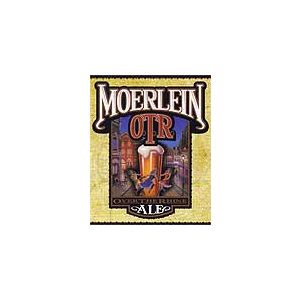
Christian Moerlein B.C. Moerlein O.T.R. Ale
Check
Check
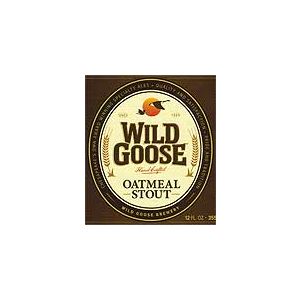
Wild Goose B.C. Oatmeal Stout
Check
Check
Christian Moerlein B.C. Moerlein Barbarossa Double Dark Lager
Check
Wild Goose B.C. Brown Lager
Check
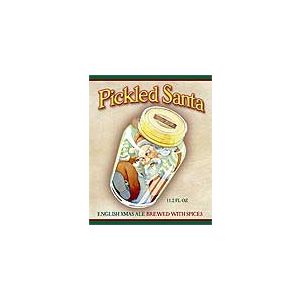
Ridgeway Brewing Company (England) Pickled Santa
Check
Check
Brasserie Duyck (France) Jenlain Noël
Check
Check

DOM = Domestic Beer Club; INT = International Beer Club; VAR = Domestic International Variety Beer Club

Christian Moerlein Brewing Company

Cincinnati, Ohio, has a lengthy brewing past. One particular region, north of downtown, was a focal point for German immigrant settlers and, by no coincidence, became a brewing center. Many of the settlers to the area made a daily trek across bridges over the Miami and Erie Canal, which separated the area from downtown Cincinnati. In homage to their homeland they called their neighborhood "Over-the-Rhine," imagining the canal to be the Rhine River. In its heyday, Cincinnati's brewing industry boasted 36 operating breweries, many based in the O.T.R. area. When Prohibition swept across the country, the brewing industry was an obvious casualty, and many people left brewing-centric areas in search of work elsewhere. This had an unexpected upside: lack of industry and investment meant many of the original historic buildings remained intact rather than being demolished to accommodate new growth and development. Today, the Over-the-Rhine area is also known as the Brewery District because it has numerous 19th century Italianate breweries that survived. German beer heritage has been preserved to some extent as well—Cincinnati is, after all, home to the nation's largest Oktoberfest.

One of the gents who kicked off the brewing-centric nature of the Cincinnati area was Christian Moerlein, a Bavarian blacksmith who emigrated to America in 1841. Within a year he had settled in Cincinnati and in 1853 established the Christian Moerlein (pronounced "more-line") Brewery in the O.T.R. area. Moerlein became the most prominent brewer in the city, and ranked among the top ten in the nation, selling his product across the United States as well as to other countries, which is notable because at the time, no other Cincinnati brewer had entered the international marketplace. The brewery continued to operate after his death in 1897. However, in 1918, Prohibition dealt the brewery a fatal blow.

In the late 1970s, another famous Cincinnati German-brewed beer brand, Hudepohl, founded in 1885, resurrected the Moerlein brand. When they were reintroduced to the thirsty and nostalgic Cincinnati market, the Moerlein beers were the first US beers to be certified under the Bavarian Beer Purity Law of 1516 (a.k.a. the Reinheitsgebot). Ultimately, the Moerlein brand passed to another brewing group after the old Hudepohl Brewing Company, which had since merged with rival brewery, Schoenling, folded. Those owners, Snyder International Brewing Group, kept the brand alive (but in very limited distribution) and moved production to Maryland. In 2004, Greg Hardman, a greater Cincinnati resident and successful beverage industry veteran, hatched a plan to bring this beer back home to Cincinnati and purchased the Christian Moerlein brands and recipes.

The Christian Moerlein beers just won't give up. Being around since the mid-1800s means this is effectively an "ancient" brew in the history of the USA. Three cheers for the enduring presence of good beer!

For more information about the Christian Moerlein Brewery, drop them at e-mail at info@christianmoerlein.com or check out their web site at www.christianmoerlein.com.

Moerlein O.T.R. Ale

Christian Moerlein Brewing Company Over the Rhine AleOn the nose, look for some fruity, juicy notes, almost like apple juice spiked with brown sugar, with ample ripe red apple notes, apple skins, pears, a touch of Belgian-beer-like sweetness, fresh barley grains, alcohol, and grassy hops that lean more toward citrus as the beer warms. Expect this beer to comes at the palate quite sweet, with an orange-rind tone. But there's a tongue-coating dryness from the hops that quickly dries things out and holds for lengthy, citrusy, grassy hop finish, with barley grains peaking late in the finish. Pairs nicely with Calmyrna figs.

Serving Temperature: 42-45° F
Int'l Bittering Units: 40
Alcohol by Volume: 6.0%
Suggested Glassware: Pint Glass or Stein
Malts: 2-Row Pale, Special Pale, Ashburne, Caramel, Victory
Hops: Cascade & Fuggle

Moerlein Barbarossa Double Dark Lager

According to Greg Hardman, owner of C.M.B.C., this is the 3rd best-ranked dark beer in the world, and this was the very first beer brewed by Christian Moerlein in 1853. Some confusing labeling choices on this beer; let's dispel the double dark expectation. It's 'double dark' if you're expecting Natty Light, but not if you're thinking doppelbock. And these days, in a climate where not being 'politically correct' can just about get you crucified, we were surprised to see a company market a beer bearing the name of Barbarossa (Frederick I), the German Emperor who, legend has it, sits in his chair of state in a cave somewhere in Germany, and will, "when the ravens cease to fly 'round the mountain," awaken to restore Germany to its ancient greatness. A little research, however, reveals that this beer was first brewed well before the World Wars and, hence, the age (in modern times) when German zeal for power was something to be feared. Expect notes of fresh dough and toasted crackers on the nose, along with a subtle flash of figs and coffee, and a whisper of dark rum. Flavor-wise, this beer goes down more caramel-and-chocolate-accented than suggested by the nose, with some dark fruity notes (think plum-meets-raisin-meets-fig.) Expect a dry finish with notes of over-ripened red apple skins and a hint of apple cider. Stylistically, this beer rides the line between a dunkel and a bock. Pretty much picture perfect with a Colorado-toned, medium-bodied cigar, plenty of which are featured in our Premium Cigar of the Month Club. Hit up www.monthlyclubs.com for more details.

Serving Temperature: 47-52° F
Int'l Bittering Units: 18
Alcohol by Volume: 5.0%
Suggested Glassware: Mug, Stein or Pint Glass
Malts: Munich Dark, 2-Row, Chocolate, Black
Hops: Saaz, Hallertau

Wild Goose Brewing Company

The Wild Goose Brewing Company debuted in 1989, at a time when opening a microbrewery in the US, particularly on the east coast, was a largely untested venture. It wasn't until the early- to mid-1990s that microbrew fever began to strike the country. The handful of breweries that launched in the 80s laid the foundation for the microbrewers who followed and paved the way for the bountiful selection of craft-brewed beers we enjoy today. So when you enjoy your Wild Goose beers this month, give a toast to the folks who had the guts to bring us all better beer.

Wild Goose B.C.'s traditional British-style beers have been recognized as some of the finest east of the Rockies. Over the years, they've garnered praise from beer lovers nationwide and overseas. Many of the original recipes created in their early days are still produced exactly the same way today, but they're brewed by a new generation of microbrewing zealots. Their current lineup includes an IPA, Extra Pale Ale, Brown Lager, Oatmeal Stout, a seasonal Pumpkin Ale and Winter Warmer, with plans for a Summer Ale to be released in Summer of 2009. Keep 'em coming fellas!

For more information about the brewery and scheduled tours, call (301) 694-7899 or check out their web site at www.wildgoosebrewery.com.

Oatmeal Stout

Wild Goose Brewing Company Oatmeal StoutLet this beer warm up to the suggested serving temperature to experience what the brewer intended for you to taste. Expect an inviting aroma with notes of coffee, dark bittersweet chocolate, raisins, figs, rolled oats, multigrain bread, orange bitters, currants, and syrup. We found the flavor to be more firm than the nose implies, with bitterness coming in first and not bashful in the least. Bitterness fades to let mellow dark chocolate, and coffee notes emerge, along with some orange-peel and cocoa notes, a prominent and distinct scotch-meets-whiskey note, and then a drawn-out, super-dry, lightly bitter finish. The look is deceptive—a bit less dark than what you might expect from an oatmeal stout; but, man, does it deliver both hefts of flavor and ample body, thanks to the oats that really firm up the mouthfeel. As it warms, robust whiskey-esque notes really bloom. Partner up with thick cuts of grilled steak; we did a London Broil with the following marinade (this is for 1 steak; multiply quantity as necessary): 1 cup of Wild Goose Oatmeal Stout, 1/4 cup olive oil, 1/3 cup soy sauce, 1/3 cup ketchup, 4 tbsp Worcestershire sauce, 2 tbsp A1 Steak Sauce, 1 clove minced garlic, and 1 tsp of pepper.

Serving Temperature: 50-58° F
Int'l Bittering Units: 25
Alcohol by Volume: 6.0%
Suggested Glassware: Pint Glass or Snifter
Malts: Crystal, Chocolate, Roasted, Black, Flaked Oats
Hops: Horizon, Goldings

Brown Lager

The newest addition to the Wild Goose family, it's such a welcome change to see a microbrewed lager. There are just not enough solid, craft-brewed, domestic lagers. On the nose expect very rich aromatic notes, a bright nuttiness, notes of toffee, caramel, a kiss of brown sugar, fresh wort (unfermented beer), lightly peppery hops in the background, and just the slightest lager-like hint from the lager yeast (it's a very subtle sulfur and metallic note, but perfectly appropriate. This is a normal aroma imparted by healthy lager yeast, so don't freak.) On the palate, look for notes of cereal grains, faint milk chocolate, café latté, just a touch of fruitiness, and chestnuts. Finishes with a wonderful balance provided by mildly bitter hops that coat the back of the throat and tongue and stick around to nicely dry things out. A remarkably well-balanced beer that provides the full flavor of an ale with the drinkability of a lager—the best of both worlds! Kudos to Wild Goose B.C. for putting out such a solid, easy-to-drink craft-brewed lager. The brewery recommends pairing with hearty foods like thick, juicy steak, hamburgers, bratwurst, smoked fish, strong aged cheese like cheddar, or, for dessert, walnut cake. We went with the walnut cake suggestion—give it a shot!

Serving Temperature: 40-48° F
Int'l Bittering Units: 21
Alcohol by Volume: 4.3%
Suggested Glassware: Pint Glass
Malts: Crystal, Chocolate, Black
Hops: Palisade & Cascade

Ridgeway Brewing Company—South Stoke, Oxfordshire, England (South Central England)

Our first featured international brewery is located approximately 30 miles west of downtown London. From the ashes of the inimitable Brakspear Brewery comes the Ridgeway Brewing Company. While we're glad to have them up and running, the brewery came into being on the heels of a rather unfortunate event. UK citizens and English beer cognoscenti alike were dismayed when they leaned that the venerable Brakspear Brewery, where the most famous and perhaps best Bitter in England had been made for CENTURIES, was being sold off to make room for an upscale hotel. The year was 2002; and, for an establishment that had been in operation since 1779, the situation was a real sign of the times that the old world of brewing is not paid the respect it's due… Another in a long line of casualties that have swept through some of Britain's most revered brewing institutions—and for what? New real estate ventures. Makes us crazy. Thankfully, the master brewer at Brakspear was determined not to let his craft come to an end. Peter Scholey thus set out on his own, setting up shop as the Ridgeway Brewing Company, not far from the site of the original brewery.

The Ridgeway Brewery is named for the ancient road—passable now only on foot—that meanders through the southwest of England. The now-patchy stone surface of the Ridgeway was laid by Britain's oldest inhabitants, the Druids, thousands of years before the Romans set down their own routes through the region. The oldest road in the British Isles and Europe, it runs for just under 100 miles, passing Stonehenge as well as Peter Scholey's relatively modern home. The name represents Scholey's intent to keep British history alive and well despite the relentless passage of time and ever-encroaching development. From his new brewery, he connects old-world brewing with the innovation of a modern-day brewmaster. We tip our hats to the man for persevering against the odds and keeping traditional British beer alive and kicking.

Pickled Santa

Ridgeway Brewing Company Pickled SantaThis oddly named beer is far more tasty than you might expect from its title. The name is a reflection that the beer has been spiced—but you won't find any dill or preservatives (other than hops, of course) in this beer, so, not to worry. Traditionally, many wintertime beers are spiced with various ingredients, and the collective term for this style of beer is "Winter Warmer," owing in part to the warming effect felt in the belly as the beers carry what is, by traditional British standards, an elevated alcohol content (typically in the 6% range.) This beer rides the line between being an ESB (Extra Special Bitter) and a Winter Warmer, bringing forth the best of both styles: the spices and intrigue of a warmer, and the bitterness and easy drinking character of an ESB. On the nose, expect sweet, rich, malty notes and a solid dosing of spices such as nutmeg, allspice, clove, and cinnamon, though these are experienced more prominently in the flavor profile than by the nose. Look for a lightly sweet flavor with notes of plums, raisins, and apples, and a light citrus tartness to it, all capped by ample amounts of nutmeg, cinnamon, gingerbread, and the slightest twinge of coriander. Citrusy hop flavor works to amplify the spice profile in a most unique fashion. Finishes with a spicy, nutmeg, bitter note as the hops execute their bitterness profile. Due to the spicing in this beer, we skipped pairing and just enjoyed it on its own, though it would work well as a substitute for liquor in a seasonal eggnog recipe (aka "brewnog").

Serving Temperature: 45-50°F
Alcohol by Volume: 6.0%
Suggested Glassware: Pint Glass or Oversized Red Wine Glass

Brasserie Duyck—Jenlain, France (Northeastern France, a.k.a. French Flanders)

Admittedly, the French are not known for their beer. Notwithstanding this, the French have created some exceptional beers over the years, particularly in the northeast of the country where they have taken a lesson from brewing savants in the nearby Flanders region of Belgium. Truth be told, these neighboring cultures have borrowed from each other—the Flemish have incorporated wine- and champagne-like features in their beers, and the French in turn have 'borrowed back' these traditions and characteristics in theirs. Which is not to say the French lack originality in their beers. To the contrary, a unique style of beer referred to as Bière de Garde originated in northern France. Bière de Garde remains today the only original, traditional beer style indigenous to the country. Thankfully there are a few breweries in northern France, in the region that is known by a few titles—French Flanders is one, Nord-Pas de Celais is another—that still produce excellent French beers.

Our second featured international brewery, Brasserie Duyck, is independently owned and makes more of France's only indigenous beer style than any other outfit. The brewery, founded in 1922 on a site that was once a farm, is credited with reviving the style as well as encouraging numerous smaller Bière de Garde breweries in northern France.

Duyck is the surname of a family of French brewers who settled in the hamlet of Jenlain in 1922. Léon Duyck was the first member of the family to take up the trade of brewing. He handed down his passion for traditional French brewing to his son Félix, who set up his farmhouse brewery in Jenlain, near Valenciennes, where he produced his first matured beer, which would become the famous Jenlain brand. The name of the village was not adopted as the name of his famed beer until 1968, many years after it was first created. At that point, the brewery had been under the control of Félix's son Robert for eight years. Robert manned the helm of the family business for thirty years before passing it on to his son Raymond (great-grandson of the family's brewing patriarch, Léon). That's four generations of family brewing, and one mustn't underestimate the value brought to a brewery by having the same family controlling the process for over 80 years.
In keeping with the times and increased demand for their beers, Duyck has pursued an active development policy since the beginning of 2002, adding eight new vats for their filtered beers, five others for the top-fermentation process, as well as a new kettle and a cleaning unit to increase the brewery's production capacity and to meet new market demands in terms of quality and protection of the environment. Despite their brewing scale and recent expansions, Duyck remains a traditional farmhouse brewery, complete with traditional buildings and rustic atmosphere. If you ever find yourself in the northeast of France, visit Jenlain and enjoy this fantastic beer at its absolute freshest.

If you'd like more information about the Brasserie Duyck, check out their website at www.duyck.com.

Jenlain Noël

In the years following the Second World War, many northern European breweries would brew and sell a richer and stronger beer at the same price as their year-round beers. This was their annual gift to their customers. The Duyck brewing family has perpetuated this custom by creating a special beer which they sell at the price of their flagship beers. Produced with more malt than Jenlain Ambrée, their hallmark Bière de Garde, this beer has three different types of malt made from French-grown barley and three varieties of the aromatic, deeply earthy hops from Alsace. Like all the Jenlain beers, Jenlain Noël is highly drinkable and presents a clean, crisp, herbal, hoppy profile. The Jenlain beers are known for their very earthy hop characteristics—and despite the additional spice notes in this beer, it remains grounded by their trademark earthiness. Look for notes of fruit (think black cherries), floral aromatics, hints of orange, some musty yeastiness and earthy hops. The flavor profile presents deeply earthy tones, oranges, cherries, a Grand Marnier-like note, an undercurrent of black tea, and a minor note of biscuity grains. The peppery, spicy, hoppy profile provides bite in the flavor and finish, freshening up the palate for another sip by deftly drying things out. This is quite a versatile beer when it comes to the dinner table. The sweeter notes and spiciness of this beer marry well with honeyed, brown-sugar-glazed, clove-covered, holiday ham. Alternatively, you can capitalize on the earthiness from the hops by pairing with a mushroom salad.

Serving Temperature: 42-55°F
Alcohol by Volume: 6.8%
Suggested Glassware: Tulip

C&H Internationals Logo Since 1994
Join Our Club
Gift Memberships

Membership Renewals
Reorders
Home Page
More Information
Current Selections
Past Selections
Testimonials
Other Gourmet Clubs
Corporate Gifts
Wedding Gifts
Brewery Search
Style Guide
Beer Fun Section
Industry Resources
Festivals
Print a Gift Card
Send a Virtual Brew
Refer a Friend
Send a Hint
E-Promos
Contact Us
Link to Us

1 - 800 - 625 - 8238
(Outside US call: 949-206-1904)
P.O. Box 1627, Lake Forest, CA 92609