The Microbrewed Beer of the Month Club

Past Newsletters - October 2009

Brewery
Beers Featured
DOM
VAR
INT
RBC
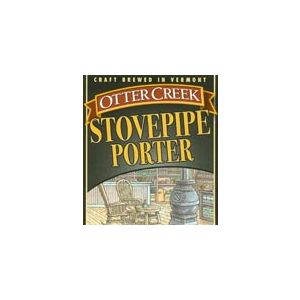
Otter Creek Brewing Stovepipe Porter
Check
Check
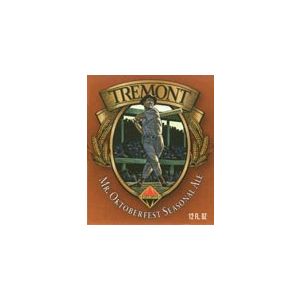
Shipyard Brewing Company Tremont Mr. Oktoberfest
Check
Check
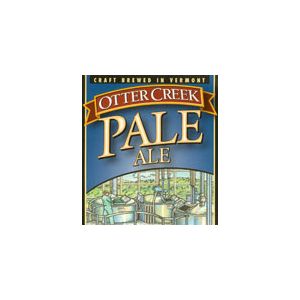
Otter Creek Brewing Pale Ale
Check
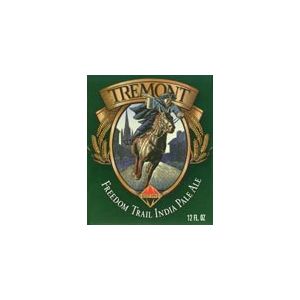
Shipyard Brewing Company Tremont Freedom Trail IPA
Check
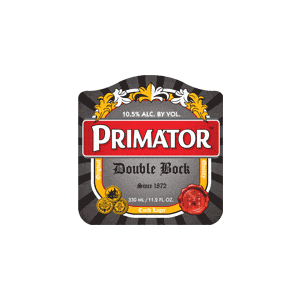
Primátor A.S. (Czech Republic) Primátor Double Bock
Check
Check
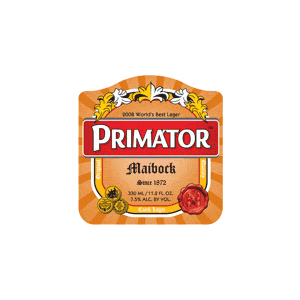
Primátor A.S. (Czech Republic) Primátor Maibock
Check
Check
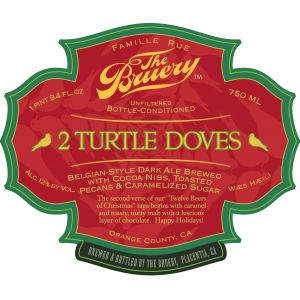
The Bruery (USA) Two Turtle Doves
Check
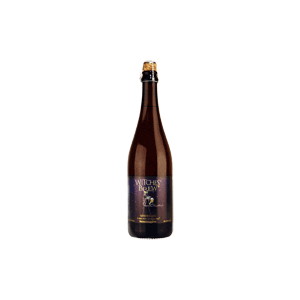
Brouwerij Van Steenberge (Belgium) Witches’ Brew
Check

DOM = Domestic Beer Club; INT = International Beer Club; VAR = Domestic International Variety Beer Club; RBC = Rare Beer Club

I'm ready toPlace My Order Button

Otter Creek Brewing

The Otter Creek Brewing is located in the beautiful little college town of Middlebury, Vermont. They shipped their first keg of beer back in March of 1991, which has us wondering… are the kegs at local college parties filled with Otter Creek brews? And, if so, is it too late to go back to college?

Their original brewery was conceived of in 1989 by Lawrence Miller, an avid homebrewer. Four years later, they had outgrown their original site and moved into a state of the art brewery just down the road. Middlebury was chosen as the brewery site as much for its quality of life as for its excellent water obtained from the pristine Otter Creek River (hence their name). Larry knew from extensive travels and studies throughout Europe that good quality water would be critical as he developed his brand of beers, each brewed with a focus on old-world brewing methods.

Good water is key to great beer, and these days, good business practices and focus on ecological impact help make a good brewery great. Otter Creek Brewing uses local ingredients and works with local companies whenever possible. They also use recycled cardboard for their 6-pack carriers, recycle their brewhouse water wherever possible, and utilize B20 Biodiesel to heat their brewkettle. And, they even capitalize on the cold-weather climate of Vermont, using a system that takes in cold air outside to offset the brewery’s refrigeration needs. You help Mother Nature, she helps you right back.

For more information about the brewery and scheduled tours, call (800) 473-0727 or check out their web site at www.ottercreekbrewing.com.

Stovepipe Porter

Stovepipe PorterOtter Creek's Stovepipe Porter is a traditional, balanced beer that represents the style very well. Expect a bold spicy roastiness and a tinge of smokiness on the nose, followed by light roasted coffee notes and a slightly herbal hop aroma. It is quite nearly black in color, with garnet highlights. The flavor profile has smoky notes throughout, with some deep malt sweetness barely rising to the surface amidst the bitter and roasty notes. Look for notes of chocolate and plum. Good from start to finish, and remarkably balanced between roasty, smoky elements and the dry, bitter, almost ashy finish. Excellent with a hearty stew (as an accompaniment and/or ingredient) or as a complement to mild or dark chocolate.

Serving Temperature: 48-55° F
Int'l Bittering Units: 28
Alcohol by Volume: 5.4%
Suggested Glassware: Pint Glass or Mug
Malts: 2-Row Pale, Munich, Carapils, Caramel, Chocolate, Roasted Barley
Hops: Nugget, Cascade, Willamette

Pale Ale

Otter Creek Pale AleOtter Creek's Pale Ale is a filtered, golden-amber ale brewed with pale malts and huge doses of Cascade hops. Immediately note a big, raw hop character on the nose; bigly orange in character, with minor notes of citrus zest and fresh grains. Expect a slightly dank mustiness. On the palate, we picked up some notes of soft fruits (apricots, peach) that begin with plenty of room to breathe and grow a bit before being shut down by the hoppy bitterness. Expect light zesty flavors, including lime rind and pulp, all washed in a bath of very citrusy hops, without the hefty bitterness you might expect in a beer with this much hops in the aroma. This is a pale ale you could have tons of; it’s very easygoing but flavorful, and nicely balanced with moderate bitterness in the finish. Consider pairing this with a smoked pepper turkey and sharp cheddar sandwich, heavy on the peperoncini peppers.

Serving Temperature: 42-48° F
Int’l Bittering Units: 35
Alcohol by Volume: 4.6%
Suggested Glassware: Pint Glass
Malts: 2-Row Pale, Caramel, Wheat
Hops: Cascade

Shipyard Brewing Company

The history of the Shipyard Brewing Company began around 1992 when real estate developer Fred Forsley hired British brewer Alan Pugsley as a consultant to set up a brewpub within a port revitalization project in Kennebunk, Maine. The two set sail into brewing history upon founding Federal Jack's Brew Pub, the birthplace of The Shipyard ales.

Federal Jack's, named for one of the most famous ships built in the port back in 1908, quickly rose to local fame, with Fred and Alan seeing consumer demand for The Shipyard beers soar. Eager to meet the challenge of expansion, they acquired four acres on Portland's historic working waterfront in 1994, with Alan moving out of his consulting role and joining The Shipyard as Master Brewer and part owner.

Alan Pugsley, often referred to as the Johnny Appleseed of brewing in the USA, has worked with many breweries and brewpubs in physical and recipe design. In 1993, he was contracted as a consultant to the Tremont Brewery installation and recipe development in Charlestown, Massachusetts. Between 1997 and 2002 Tremont was awarded Boston Magazine’s reader’s poll “Best of Boston” five times. Not exactly an atypical result for projects touched by the hands of Alan Pugsley. But for a variety of reasons, the brewery closed down in 2001. Brewing of the Tremont beers was transferred to a contract-brewing facility in upstate New York for two years before being re-worked to their former glory by Alan at his Shipyard Brewery from 2003-2005. The Shipyard purchased the right to the Tremont Brands in 2005 and has been lovingly looking after them since then—it’s a story where despite the ups and downs of the market, businesses folding, and brewers getting fed up with it all, some good beers find a way to keep on living—and some folks like Alan Pugsley are the thoughtful stewards this world needs to spread the better beer around.

For more information about the brewery and scheduled tours, call (800) 789-0684 or check out their web site at www.shipyard.com.

Tremont Mr. Oktoberfest

Tremont Mr. OktoberfestClutch hitting in the post-season—that’s what gave Reggie Jackson the nickname “Mr. October.” Well, it’s the post-season-with-the-most-reason to pick up a brew: Oktoberfest! And this clutch hitter combines the heavy hitting of an Oktoberfest beer with the soft touch of a British pub ale. On the nose, expect a powdery orange note with clean, fresh grains, caramel, and bread. Mainly sweet on the nose with flashes of hops. Tremont Mr. Oktoberfest goes down with a touch of hot booziness, apropos for the style, and a funky, Ringwood yeast character (think “buttery”), with moderate bitterness in the finish. This beer is a sort of hybrid brew that blends the distinct “hotness” of a Märzenbier (the style name for oktoberfest) finish, with the easy-drinking, citrusy, buttery notes of an English pale ale. If there’s such a thing as English Märzen, this is it, and we dig it. Something a little different for the post-season.

Serving Temperature: 45-50° F
Int’l Bittering Units: 36
Alcohol by Volume: 6.1%
Suggested Glassware: Pint Glass, Mug or Stein
Malts: Pale Ale, Crystal, Wheat, Light Munich
Hops: Saaz, Glacier

Tremont Freedom Trail IPA

Freedom Trail IPAOriginally, through the center of the peninsula that was Boston, rose what was called the Trimountain, a series of three hills known as Mount Vernon, Beacon Hill and Pemberton Hill. A corruption of the term Trimountain was “Tri-Mount”, and ultimately, “Tremont”, hence the name of this originally Boston-based beer line. On the nose, expect a powdery, musty, creamy butteriness—in other words, diacetyl, the hallmark feature of the famed British Ringwood Yeast strain used to brew this beer. This, being modeled after a traditional English IPA, has some citrus notes, but they are muted compared with most domestic IPAs. Look for fruity notes as well, including overripened apples and apple skins. On the palate, expect toasty, almost biscuity malt characters—some notes of toasted saltines, all riding a current of low-lying mustiness (again, from the yeast). Finishes with some nice belly warming, and slight butterscotch aromas & flavors which are cut into by the ample hopping. Ends quite bitter, but expect a refined, not overbearing bitterness, with after-notes of apple skins and buttered popcorn.

Serving Temperature: 40-45° F
Int'l Bittering Units: 50
Alcohol by Volume: 5.75%
Suggested Glassware: Pint Glass
Malts: Pale Ale, Crystal, Torrefied Wheat
Hops: Cascade, Fuggles

Primátor A.S.—Náchod, Czech Republic (Eastern Bohemia) (North Central Czech Republic)

The Bohemian brews we've sent you have been crafted by Czech beer artisans who possess an appreciation of beer unlike any other. After the split of Czechoslovakia in 1993, the Czech Republic (having a total area just smaller than the state of South Carolina) achieved a major beer victory: first place in beer consumption per capita (many Slovaks prefer to drink wine and thus pulled down the per capita values prior to the split. Damned Slovaks!). The results from a 1998 study completed by the German Brewers Association showed that the Czechs were not only number one in this ranking; they were number one by a large margin. The study revealed that, per capita, the Czech people drink approximately 334 U.S. pints per year! That's about a beer a day per man, woman and child (and if you consider that the youngsters probably aren't tossin' back too many of those pints, that's a heck of a lot of beer for the adult crowd).

This proud heritage of brew drinking has a long history. Local agricultural conditions are ideal for growing hops, and their cultivation in Bohemia has been chronicled as far back as 859 A.D. These hops were exported to Germany via the Elbe River to the Hamburg hops market in 1101, and to this day the world still cherishes Bohemian Saaz hops (perhaps even a bit more recently since the global hops shortage was particularly unkind to this coveted variety, as our homebrewer readers can attest).

The first documented account of home-brewing in the Czech territories dates back to 1088, and the first Czech brewery was born in the town of Cerhenice in 1118. As for longest running breweries, the U Fleku microbrewery in Prague has been in operation since 1499! Put that in historical perspective by considering that Columbus discovered the new world just seven years prior!

This month's featured international brewery, Primátor A.S., was founded in 1871 in the small town of Náchod, making it a relatively "young" brewery if you can believe it. You may be familiar with them under their previous name, Pivovar Náchod (pivovar means brewery in Czech), which they operated as until recently changing the name to improve their recognition with their famed beer line. This is not uncommon as the brewing business has evolved over time; once breweries were associated with their local market more so than with a brand name. Today, with ease of transport, many brands have replaced their local brewery name—not necessarily a welcomed change, especially for local townsfolk who often pride themselves on having their “own” village brewery, but, when in business for hundreds of years, change must be expected.

Within two years of the brewery’s founding (building such an impressive brewery takes time, even more so in the late 19th century), the Náchod townspeople enjoyed beer from the first brewing. The popularity of Náchod's beer grew steadily enough over the following 50 years to mandate enlargement of the brewery between 1925 and 1930. However, with the invasion of the Third Reich on March 15th, 1939 many Czechs were drafted to work in coal mines, the iron and steel industry, and armaments production. Consumer goods production, dramatically abridged, was largely directed toward supplying the German armed forces. Within 4 years, all non-war-related industry was prohibited, halting the brewery's (and the industry's) development until after World War II.

Later, under Communist rule, very little was invested into the country's breweries. On the upside, however, beer was very cheap. This helped establish beer drinking as perhaps the single most popular hobby among Czech men. One of the Czech Republic's most famous beer drinkers, the protagonist of Jaroslav Hasek's novel "The Good Soldier Svejk" proclaimed that the government that raises the price of beer is destined to fall within one year. In 1984 the Communists almost doubled the price of beer. Though off by four years, The Good Soldier's prognostication was fulfilled. These days, Czech beers command top dollar from the many foreign countries that import them, and this has permitted prices to stay low for the locals. The business may change, but thanks to traditionalists like those behind the brewkettles at Primátor, the stuff that matters—good beer—remains a staple.

Primátor Double Bock

Primátor Double BockLadies and gentlemen, we now present to you, the Czech Republic’s strongest beer. Primátor’s massive Double Bock is not for the faint of heart—so here are a few tips for your drinking enjoyment: share the bottle with someone; drink on the colder side of the suggested serving temperature range if you want a little less sweetness; and drink on a full stomach or with a hearty meal (our preference is actually after a meal so you can fully experience the flavors of this beer without the influence of food—at least for your first bottle). Mammoth quantities of five different malts are used to brew this beer, and, while you may not taste them prominently, a hefty amount of hops are employed to tame the beast that would result from such maltiness. The Nachodian farm animals are in luck because with the amount of malt required to create this beast, there must be plenty of spent grain being trucked their way as feed… Not many Euro-doppelbocks are brewed to this intensity. Hell, only a handful of domestic interpretations are… Remarkably, alcohol, while detected on the nose, is not what strikes the senses first—it’s the deep malty underworld the brewers have created, lined with raisins and rum-soaked figs. A deep chocolate booziness emerges as it warms, like fruitcake steeped in Kahlua. Notes of singed chocolate and brandy come to mind. Expect some kind stuff here from this gentle giant. The sweetness practically explodes in the mouth, dropping a cocktail of fermented figs, raisins and plum wine imbued with chocolate. Finishes with oven roasted apples, brown sugar, cocoa nibs, figs, sultanas, scorched caramel, a vinous-ness, fermented plums, maple syrup and breaths of alcohol. An extreme beer that is extremely good. This should be on every serious connoisseur’s hit list.

Serving Temperature: 45-53°F
Alcohol by Volume: 10.5%
Suggested Glassware: Pilsner Glass or Pint Glass

Primátor Maibock

Primátor MaibockThis champion Maibock’s most recent awards are “Best Strong Lager” and “Best Lager overall,” earned during the 2008 World Beer Awards. It pours a golden amber color, with a large, healthy, eggshell-toned head. Expect a vibrant and sweet nose, offering soft impressions of peach amidst the overall fruity aroma. Creamy caramel base malts come through, with subtle whiffs of butterscotch, leather, and a noble hop spiciness from the famed Czech Saaz hops. Look for a bit of lemon to work its way into the hop aromatics, along with some subdued notes of spice (from the hops). But the soft touch ends there, as the beer goes down a bit meaty, even salty, with an iron-like edge (all of which are intentional). This beer isn’t messing around folks… it’s the real deal. This is a maibock beer with guts, and thank God. Too many brewers take this style down a few notches, dumbing it down and stripping away its soul by making it a flighty little festbier. But not here—that junk don’t fly with these Czech brewers. Truth be told, Primátor’s version is actually amped up quite a bit from the standard—it’s damned near aggressive as if to say, “Czech me out, I dare you!” On the palate, look for notes of caramel, rum cake, mashed apples and other nondescript fruits, grounded with a firm bitterness, spicy hops, and peppery alcohol. It finishes with sweet malts and sugary grains battling against hoppy bitterness for a foothold on the palate. Expect the alcohol to really come forth as the beer warms, with notes of orange liqueur melded with floral aromatics. This is a bold, beefy maibock that will hold up to Kobe steak strips or even a London Broil. A damn fine beer as the Fall sets to spill into Winter. Great for raking the leaves, but at 7.5% ABV, just be careful with that rake, ok?

Serving Temperature: 45-50°F
Alcohol by Volume: 7.5%
Suggested Glassware: Pilsner Glass, Flute, Mug, Stein, Pint Glass

The Bruery—Placentia, California (Southern California)

There is a certain amount of ‘beer coveting’ that goes on in today’s age of limited release, one-off, über-specialty, craft beers. Depending on who you ask, this is a great thing that promotes rabid craft-brew devotion and gives ADHD-suffering beer geeks something to constantly look forward to. Others claim it drives up the cost of beer, leads to “over-hype” and inevitable disappointment from unrealistic expectations, potentially turning off better beer converts and disgruntling once hardcore devotees. We think it just offers a little something extra—creating another level of ‘fandom’ and appreciation among those who seek out these limited release beers, and an opportunity for brewery press via word-of-(foaming-at-the-)mouth, a highly valuable thing in an industry that, for the most part, does not advertise. And hell, it makes us feel like kids at Christmas again!

Some breweries take the limited release concept to the next level by creating an entire series—Stone Brewing Company’s “Vertical Epic” series for example (a different recipe beer released once per year for 12 consecutive years starting 02/02/02, then a year and a day later on 03/03/03, 04/04/04, continuing thru 12/12/12—or, just in time for the end of the world nine days later on December 21st, 2012, or so says the Mayan calendar, and Nostradamus, certain Asian philosophies, and various others ‘sources.’

A tiny, just-opened (May 2008) brewing outfit called “The Bruery”, whose name is a clever but oft confusing combination of ‘brewery’ and founder Patrick Rue’s last name, has an ambitious vertical release planned as well. Modeled after the verses of The Twelve Days of Christmas—last year’s was their first, “Partridge in a Pear Tree”—this year’s release is “Two Turtle Doves.” The beer is brewed in limited quantities in famed Orange County, California, made only once, ever, and is designed to be enjoyed now, or, if you can wait, along side the other 11 in the series, which will wrap up in 2019. So, you know it’s going to age well (assuming it—and we—survive that whole end of the world business – not to mention the Stone Vertical Epic tasting on 12/12/12, which will be a doozy in and of itself!).

What we’re really excited about is the fact that this limited release beer from this modish brewery will be served up to our members at least two weeks before the general public gets their grimy mitts on it—which is a pretty sweet deal for those of us who covet beer.

For more information about The Bruery, check out their website at: www.thebruery.com or give ‘em a ring at 714-996-MALT.

Two Turtle Doves

Two Turtle DovesThis unique brew pours the deepest possible shade of brown before black, however the turbidity keeps it completely opaque, giving the impression that it is black in color (it’s not—it’s a super-deep burgundy). It’s capped by a deep tan colored head, finely bubbled, and massive at the start. On the nose look for notes of Belgian yeast spiciness, chocolate pudding, burnt toast and spicy, reedy, woody aromatics. We experienced a complex melange of aromas, many difficult to describe (but we’ll try!)—conjured up images of tree bark steeped in rum, and notes of juniper berries. A bit raucous in its youth, it is quite boozy, but the alcohol is spicy and sits nicely in the mix of other Belgian spice notes. Defies style classification—you could just as well think of it as a “Belgian porter meets imperial spiced ale.” On the palate, this beer drops an alcohol and yeast spice bomb that shrapnel-coats the palate in a rich, high viscosity brew that rapidly unfurls a very complex flavor profile. Bitter chocolate meets up with gin-like juniper & alcohol notes, the two dance upon cedar planks, eat rum cake & pureed figs, and wrap up the party with a quick shot of coffee. Recharged, the party starts again—this time with grape skins, tannins, lactic sour-and-tartness reminiscent of classic English “old ales”, and a citrus rind style bitterness ushering in the finish. Expect long lasting after breaths of gin, rum, and dandelions/wild flowers. The beer offers a noteworthy balancing act between alcohol bite, tart acidity, and smooth chocolate sweetness. Despite evoking some “old ale” style flavor notes, it’s currently quite a young beer, and a bit rambunctious at the moment. Something to behold as is, but this badass 2nd verse is going to hold up nicely and evolve radically over time—so by the time that 12th verse kicks in, this is going to be one helluva prized beer—oh wait, hang on, it hasn’t even been released yet and it’s already in high demand. Ahh, beer-geekery. Membership definitely has its privileges! You can throw this at some spicy Thai noodles, heavy on coconut milk and chilies, or pair with some 60%+ cocoa chocolates—then again, burying a few bottles in the backyard for the next 5-10 years and digging up circa 2019 ought to work too.

Serving Temperature: 50-55° F
Alcohol by Volume: 12.0%
Style: Holiday Spiced Dark Belgian Ale With Cocoa Nibs and Toasted Pecans
Suggested Glassware: Snifter or Tulip

Brouwerij Van Steenberge—Ertvelde, Belgium (Northern Central Belgium, near the Netherlands border)

From the wellspring of great brewing that is Belgium comes the Van Steenberge family brewery. Founded in 1874 by Jean-Baptist De Bruin, the brewery has remained in the family since. Jean-Babtist set up a brewery next to his farm. Despite his marriage to wife Angelina Schelfaut, the couple remained childless. Never a good thing for those with visions of keeping the family brewery going. Fortunately, Angelina's nephew, Jozef Schelfaut, had learned the art of brewing, and upon Angelina’s death (at the age of 92!), she entrusted Jozef Schelfaut with running the family brewery.

The benefit of being a farm-based brewery is that, in theory, you can produce just about every ingredient necessary for the brewing process. But it’s no small feat to do so. These days, nearly all brewers order their gains already malted and already kilned, and their hops already plucked or even pressed into pellet form. But this was not the route that Jozef Schelfaut took. In order to provide for the production of the necessary ingredients, he (admirably) set up his own two-hectare hops field and also constructed a malt house and accompanying oasthouse (the name for a traditional hops drying building).

Jozef Schelfaut: builder, brewer, maltster, harvester of hops, and shrewd businessman, able to get his beers featured near and far, helping secure the success of his family brewery. His daughter, Margriet, wed Paul Van Steenberge, a chemical engineer who became a professor of microbiology at the Sint-Lievens brewery school in Ghent and at the Agriculture Faculty of the University of Ghent. When Jozef Schelfaut died in 1922, Paul Van Steenberge had gained enough knowledge to take over the family business, and eventually became the mayor of Ertvelde. Being busy on the mayoral front, it was largely thanks to his wife Margriet that the brewery stayed alive, particularly as Paul moved from mayor to senator.

Paul’s son, Jozef, studied law but still ended up in the brewery, taking over the business after his father's death in 1962. Today, Paul Van Steenberge (II), son of Jozef and grandson of Paul Van Steenberge (I), heads the brewery. He entered the family business in 1978 and in 1985 took over the management from his father. The brewery produces some very highly acclaimed beers, most quite difficult to find (you may have come across their famed ‘Piraat’, a brutally hopped, uncommon Belgian IPA style beer, and their world classic ‘Gulden Draak’ beers). We snatched up one of their very limited edition, barely distributed products for our members—so, get your bottles chilled, your appropriate glassware ready, proceed on to the tasting notes, and enjoy this rare beer!

Witches’ Brew

Witches' BrewA perfect beer for the Halloween season, for obvious reasons. Be the extra cool house on the block this year and offer samples as “treats” to your over 21 adult trick or treaters… Or just get suited up in your “dead guy on the porch” or “scarecrow” outfit, sip the Witches’ Brew between visitors, get good and sauced, then scare the bejesus out of ‘em by coming back from the dead when they approach. Halloween. What a great holiday—one of the few remaining that permits you to frighten young children without an automatic response from child protective services, but we digress… Of course, this brew isn’t brewed with anything unique to the season (no eye of newt, bladder of frog, or toe of raccoon) so it’s great any time of year, and, will age nicely due to its high ABV and bottle-conditioning—so when you get locked up for gettin’ boozed up and scaring the kiddies, it will still be waiting for you when you get out. Pours a slightly hazy golden amber color with peach colored highlights, topped by a massive white sticky head that forms mountainous patches of stickage atop the head as it slowly “crumbles” more so than it recedes. On the nose, expect notes of honey, lilac, bubble gum, orange juice, wet talcum, hints of sweet creamed corn, a faintly clove-like profile, spicy hops, lemon zest, and fumey alcohol. Look for notes of pineapple to develop prominence as the beer warms, along with an earthy, herbal/grassy element. The Witches’ Brew, at the start, goes down slightly salty and almost meaty on the palate with notes of rock candy, and perry (pear cider). But like a witches’ brew stewing in a cauldron, the character changes as it warms and breathes. Look for complex mead-like honey flavors to arise a bit later in the experience. Note the impressive mouthfeel; quite viscous and highly carbonated. The two in tandem produce a silky luscious feel with just a bit of the carbonation adding to the overall bite, off-setting an otherwise very sweet beer. Toward the finish, grainy pear skins and slightly toasted Belgian malt develop. After breathing for a spell and degassing a bit, the saltier, meatier component found upfront is quenched by the blossoming honeyed sweet floral aromatics (think rose hips) and a slightly peppery alcoholic kick. Despite the overall sweetness in the palate, the hops, carbonation and alcohol levels dry out the palate quite nicely leaving behind herbal notes and afterbreaths of nectar and fresh flowers. As they claim on the label, this beer does cast a nice spell on its imbiber. Pair with gruesome makeup and scary Nordic-industrial-death-metal.

Serving Temperature: 45-50° F
Alcohol by Volume: 9.3%
Style: Tripel
Suggested Glassware: Goblet or Snifter

I'm ready toPlace My Order Button

C&H Internationals Logo Since 1994
Join Our Club
Gift Memberships

Membership Renewals
Reorders
Home Page
More Information
Current Selections
Past Selections
Testimonials
Other Gourmet Clubs
Corporate Gifts
Wedding Gifts
Brewery Search
Style Guide
Beer Fun Section
Industry Resources
Festivals
Print a Gift Card
Send a Virtual Brew
Refer a Friend
Send a Hint
E-Promos
Contact Us
Link to Us

1 - 800 - 625 - 8238
(Outside US call: 949-206-1904)
P.O. Box 1627, Lake Forest, CA 92609