Past Newsletters - December 2009
DOM = Domestic Beer Club; INT = International Beer Club; VAR = Domestic International Variety Beer Club; RBC = Rare Beer Club
The Michigan Brewing Company is located about 20 minutes east of Lansing, Michigan, in the city of Webberville. It was once easy to miss the place due to its location: behind a gas station. When owner Bobby Mason opened the brewery, he did it on a shoestring budget, opting to start up in a family-owned garage/maintenance building located next to an expressway service station. Customers literally had to drive through the service station to visit the small pub at the brewery (Ding! Ding! "Fill me up Bobby!").
The Michigan Brewing Company was designed as a brewery, not a restaurant, as there was a tavern and tasting room on the premises, but no kitchen. You could always find a barrel full of fresh peanuts, but if it was a meal you wanted, you had to pack it yourself or order a pizza! In late 2006 they expanded to a new facility about seven times the size of their last brewery, conveniently located a mere 300 feet east of the old brewery. You can get a meal now—they have a kitchen—a really good meal at that, and, of course, their great brews at the appropriately named "Pub 122," their on-site tavern. Just take exit 122 off of I-96 to get there. And Michigan state law was recently revised to permit them to distill and sell spirits on site—so now you can find Michigan B.C.'s gin, vodka, and other spirits. You won't hear the "ding! ding!" on your approach to their new tavern, but with all these options, we still consider it a full-service station.
For more information about the brewery and scheduled tours, call (517) 521-3600 or check out their web site at www.michiganbrewing.com.
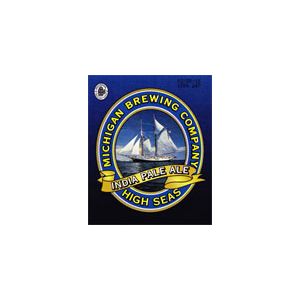
The brewers at MBC manage to brew a balanced, hop aggressive India Pale Ale by using hefty amounts of three malt varieties and a bit of wheat for enhanced body and head retention. Expect massive hoppiness on the nose, with notes of resinous pine, grapefruit rind and mint. This is no thin hop bomb, but an IPA backed by the full faith and credit of US malts. Notes of pine abound, grounded by rich, sweet and grain-heavy maltiness. You can feel the hops as their aromatic characteristics tickle on their way up the nostrils. Look for the flavor to be expectedly hop-heavy, evocative of alcohol-soaked grapefruit with some grains and caramel notes evident. Goes down thick and hearty, with ample caramel malts acting as firm ballast against the ever blossoming hoppy bitterness. You'll get a massively bitter finish, but it manages to stay smooth as it slides down and warms the belly. Goes great with spicy gumbo or jambalaya.
Serving Temperature: 42-45° F
Int'l Bittering Units: 78
Alcohol by Volume: 7.5%
Suggested Glassware: Pint Glass
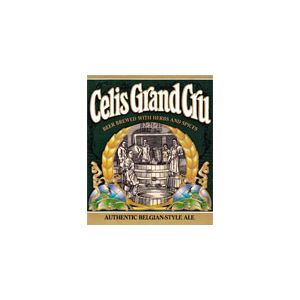
With its pale-to-medium straw color, if this Grand Cru was put next to a glass of a dark beer like this month's Zonker Stout, and you asked people which one they thought was 'stronger,' most beer novices will pick the darker beer. Wrong. It's this one, with 8% ABV, which we'll just give you the heads up on now: it's well hidden; sip this one slowly. This beer actually has a mead-like quality on the nose, with notes of fermented honey. Also expect a big kick of white-raisin-like notes, coupled with candied orange peel soaked in light rum. Citrusy Cascade hops are present, as well, but deftly blended with the other aromatics. The beer's taste is even more protective of the sneaky alcohol content—goes down with very-well-masked alcohol, though you will experience some belly warming to remind you of the kick. Look for an interplay of figs, raisins, Muscat grapes, and a faint essence of lime in the flavor profile, with minor notes of banana, cloves and cardamom amidst the caramel and orange fade. Nicely done. The brewery recommends pairing with heartier foods such as beef tenderloin, smoked sausage, wild game, or enchiladas.
Serving Temperature: 50-55° F
Int’l Bittering Units: 22
Alcohol by Volume: 8.3%
Suggested Glassware: Snifter or Tulip
Malts: Pilsen, Wheat, Pre-gelatinized Corn Flakes
Hops: Willamette & Saaz
The Snake River Brewing Company opened its doors in March of 1994 in skiers’ haven Jackson Hole, Wyoming. The debut of their establishment marked the appearance of the first licensed brewpub in the state of Wyoming. Not only are they the oldest microbrewery and brewpub in the state, they are the most award-winning microbrewery in America since 1994. In fact, when we were looking over all of their awards, we considered skipping the brewery write up and just printing the awards they’ve won and letting their long list of accolades speak for themselves. But guess what? The list was too long to fit on our pages!
The Snake River Brewery/Brewpub operation is the brainchild of Al Upsher, a former Wall Street broker, and his wife Joni who had once taught school and worked in public relations. The spacious pub is a converted cinderblock warehouse that combines the industrial design of a brewery with the lavish splendor of mahogany wood finishes while offering a casual atmosphere and fantastic views of the town ski area. The focal point of the kitchen is a massive wood-burning oven which has never been turned off since the opening of the brewpub. Fueled by apple wood imported from Washington, it is used not only for pizza, but also for smoking meats and vegetables for pasta dishes.
And while their food is a hit, their beer is internationally acclaimed. In both 2000 and 2001 they were named Small Brewery of the Year and Brewmaster Chris Erickson was named Brewmaster of the year at the Great American Beer Festival. In 2007, the Upshers retired and sold the establishment to another couple, Ted and Noa Staryk, meaning it’s still a family-owned, family-operated business.
For more information about the brewery, brewpub and/or scheduled tours, call (307) 739-BEER or check out their website at www.snakeriverbrewing.com.
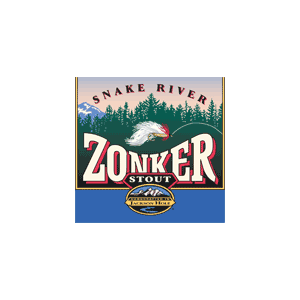
Seven, count ‘em, seven different malts and three different hop varieties come together to produce the beer before you. We really love this stout! Look for a very deep dark hue, creamy head, and a nice roasted nose and rich, full flavor. The nose offers so much, from sweetened coffee to roasted barley to chocolaty marshmallow to molasses, black licorice, carob and brown sugar. This full-bodied, well-balanced stout is slightly sweet with a powerful roasted and extremely clean finish. Its hoppy finish is balancing and pleasant and the use of roasted barley, black, and chocolate malts is evident. This multiple medal-winning beer is one of America’s best ‘foreign-style’ stouts. It’s hard to say enough about this beer, and yet, its sublimity simply speaks for itself. Use about ¾ of the bottle as a base for your next homemade hearty stew and serve with a full bottle at the ready.
Oh, almost forgot, a “zonker”, for those who are interested, is a large underwater fishing fly, and like this Stout’s appearances at GABF and WBC, snagging the catch is made much easier when you’re fishing with good bait!
Serving Temperature: 55-60°F
Int’l Bittering Units: 40
Alcohol by Volume: 6.0%
Suggested Glassware: Pint Glass, Mug or Stein
Malts: 2-Row Pale, Carastan, Caramel, Crystal, Black, Chocolate, Roasted Barley
Hops: Chinook, Sterling, Hallertau
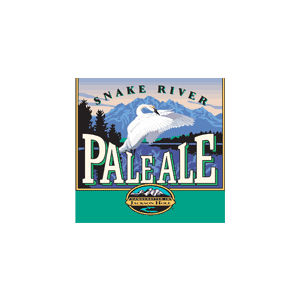
This beer has scored numerous awards for Snake River Brewing. Winner of the World Beer Cup Gold in 1996 and GABF Silver Medals in 1995 and 1996, among others, the beer most recently took home a Gold Medal at the 2008 World Beer Cup. Winning Gold in 1996 and in 2008 is quite remarkable—in the 12 years between, the number of beers entered into this esteemed competition has swelled to thousands of contenders, and people’s tastes change over time (consider that in 1996, this was judged as an American Pale Ale and in 2008, a “Best Bitter”). So, it’s rare to see “an oldie” Gold winner from the mid-90s get awarded a gold in the late 2000s—but this beer was great then and is great now. This markedly hoppy beer presents a very floral nose with some citrus and fruity notes. Look for notes of citrus and pine, capped by a faint edge of fresh mint, atop cereal grains and faint caramel. The beer coats the palate with citrus notes, bitty stabs of hoppy spiciness, toffee and grains. At times lemony, but mostly pine-resiny, the beer finishes with a comfortable bitterness that lingers on the palate, decaying into floral, citrus tones and finally, to clean graininess as the bitterness dissipates enough to let the malt backbone breathe its final breaths. A refreshing, well-crafted brew that will pair well with pizza spiced with red pepper flakes and spicy, thick-cut pepperoni.
Serving Temperature: 42-48° F
Int'l Bittering Units: 35
Alcohol by Volume: 5.3%
Suggested Glassware: Pint Glass
Malts: 2-Row Pale, Carastan, Munich
Hops: Centennial, Chinook, Cascade (& Dry-Hopped with Cascade)
König-Brauerei (The King Brewery)—Duisburg, Germany (Western Germany)
Some would claim that the Germans, particularly Bavarians, have the best beer, the best brewing culture, the best beer fans and the best customs for enjoying beer (you may have never been to Germany, but you've certainly heard of Oktoberfest). And the folks most likely to make such claims would be the Germans themselves. But fear not, all this "best of the best" superiority talk is not a threat of World War III, it's simply a pride that the Germans have earned over at least a millennium of brewing. Our first international feature this month is a German beer brewed with careful attention to traditional methods, but expertly quality controlled by modern day technology.
Located in Duisburg, Germany's 11th largest city and home to Europe's largest inland port, the König-Brauerei was founded in 1858 near the confluence of the great Rhine and Ruhr waterways by Theodor König. A savvy businessman, he realized the potential for a regional brewery and the relative ease of exportation via port waterways. Today the brewery is best known for their Pilsener beer, a style which Theodor König intended to specialize in, but at the time the brewery was founded in 1858, this was a risky move. Pilsener was still an emerging, relatively complex style to brew. His instincts soon paid off when Pilsener became the world's most popular beer style. So, at the confluence of the Rhine and Ruhr waterways was the fortunate convergence of business savvy and luck which eventually led to Germany's "King of Beers" (note the text "Das König der Biere" on the label). Now, on to the drinKing! All hail the King!
If you'd like more information about the König-Brauerei, check out their website (in German only) www.koenig.de.
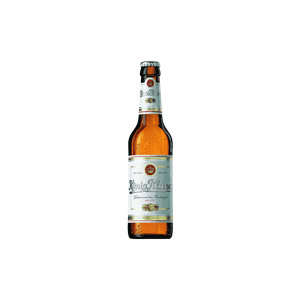
König Pilsener is a truly authentic German Pilsener that was first sold by that name in 1911. For nearly a century, beer lovers worldwide have been enjoying this approachable, easy-drinking brew. We’re proud to bring you this world class example of the style. Expect a pale straw color topped by a brilliant white frothy head. Look for a crisp, clean, classic pilsner aroma showcasing notes of grassy, lemony hops, fresh-brewed grains, a slight kiss of honey, with a very subtle yeasty mustiness in the background, characteristic of Bavarian-style pilsners. The beer presents a solid bitterness on the palate that is assertive but never sharp, with a lightly floral hop kick and, like the aroma, a finishing note of honey. Ends clean with a refined hoppy finish that our beer panel found floral and lingeringly bitter. One of the easiest beers to pair with food, Pilseners go with just about anything you can throw at them. We enjoyed it with grilled halibut served in a creamy dill sauce.
Serving Temperature: 40-45°F
Alcohol by Volume: 4.9%
Suggested Glassware: Pilsener Glass, Flute, Stein or Pint Glass
Brasserie Lefèbvre—Quenast, Belgium (Wallonia—Central Belgium)
A stone quarry town since the late 1800s, Quenast, Belgium has long been a town where great thirsts have begged to be quenched. In 1876, local gamekeeper, farmer, innkeeper and brewer Jules Lefèbvre answered the call to bring beer to the town. The Lefèbvre Brewery has been in near-constant operation since then, remaining a family-run craftsman business through six generations of Lefèbvre brewers. We say near-constant because in 1916, during World War I, the brewery was dismantled by order of the Germans, who commandeered its metals. But just after the war, in 1921, Jules's son Auguste set up shop in a new location, taking over a bankrupt brewery—and this is where the brewery remains to this day.
Along with Auguste, the 3rd generation of Lefèbvre brewers, Gaston Lefèbvre, entered the scene and oversaw various modernization projects that would allow for better production quality and an increase in beer volume. Pierre Lefèbvre, 4th generation family brewer, took up the reigns from 1960 until 1975, when the torch was passed again to his son Philippe Lefèbvre. The 6th generation of Lefèbvre brewers, Paul Lefèbvre, joined the team in 2002. Today, under Paul's stewardship, this family brewing operation produces a wide range of different beers, from honey-laced lagers to Abbey Ales to various fruit beers [Kriek (cherry), Pèche (peach) and Framboise (raspberry)]. While we find their beers refreshing, we believe that their traditional, family-run business model is equally so!
For more information about the brewery check out their website at www.brasserielefebvre.be.
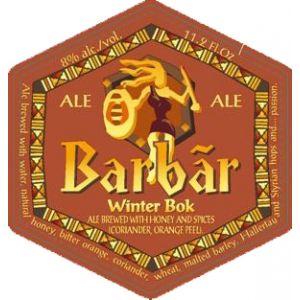
Immensely sweet on the nose, look for impressions of cherry preserves amidst very bold notes of coriander, supplemented by dark fruits and some clove-spice character from the Belgian yeast. Fairly spicy notes of white pepper blended with honey and increasing alcohol surface as it warms. There’s a subtle mead-like quality owing to the honey. On the palate, it’s certainly sweet, but not nearly as much as expected based on the nose. It actually ends a bit on the dry side, helping make this beer extremely easy to drink. Expect flavors often found in traditional witbier: cloves, coriander, and orange peel, but amped up, similar to the emerging “imperial witbier” style. Look for suggestions of cotton candy late in the flavor profile. Finishes quite floral, with spicy edges, honey spiced with ginger, after-breaths of figs, and little indication of the 8% ABV. Might seem peculiar, but this beer pairs wonderfully with smoky Texas-style barbecued brisket and ribs.
Serving Temperature: 45-50°F
Alcohol by Volume: 8.0%
Suggested Glassware: Goblet, Oversized Wine Glass or Snifter
Grand Teton Brewing Company—Victor, Idaho, USA (North Midwestern USA)
In a quest for full-flavored, freshly-brewed, locally-produced beers, a couple of Wyoming brothers paved the way not only for themselves, but all of those who followed, to brew and sell beer in ways not seen in that state since Prohibition. Charlie and Ernie Otto, brothers of German-Austrian descent, had long been familiar with great beers. In fact, Charlie had become a well-respected area homebrewer. So accomplished was he that friends and family were constantly asking him to brew more beer (perhaps some of you know the feeling?). Of course, the demands soon spread to those who caught wind of his fine handcrafted ales, and that got the brothers thinking about starting their own commercial enterprise. But because Wyoming did not issue licenses to homebrewers, Charlie had to muscle up and take on the law. Through an ambitious effort, he eventually helped to get a bill passed which would allow him to start selling his beer commercially. In 1988, he was awarded Wyoming brewery license “no. 1”. Pretty freakin’ sweet.
That license came just in time—the brothers had already built a small brewhouse in Wilson, Wyoming (just outside Jackson Hole)—so securing the first malt beverage manufacturers’ permit issued in the state in over 35 years made it possible for them to start selling their delicious brew. In 1988 they did just that, founding the Otto Brothers’ Brewing Company, officially the first modern microbrewery in the state of Wyoming.
They soon began presenting their original amber “Teton Ale” to local draught establishments and for the next two years their beers were only available on tap. Seeking a wider distribution through bottling, the brothers decided to get creative. In 1989 they rediscovered a long forgotten container: a European, lidded tin-pail known as a “growler”. The term “growler” was originally used for the tin buckets used to transport beer from the tavern at which it was purchased to the home or local eatery. The Otto Brothers’ Brewing Company reintroduced it in a modern, 64-ounce glass jug version. No doubt you’re familiar with growlers as they have since become commonplace at breweries throughout the nation, and the brothers Otto enjoy the credit for having resurrected and recreated this novel (and environmentally-friendly) idea.
So thus far we’ve learned how these brewing brothers contributed to the good of the nation by setting the stage for a new generation of Wyoming brewers to spring up, and by bringing back the growler. You’d think these accomplishments would be enough for these guys to be contented, but they had big plans in the works still! The brothers wanted to bring Wyoming its first brewpub, but again, state law prohibited breweries to act as retailers (incidentally, this is still a fairly common Prohibition-era law that hampers the establishment of brewpubs across the nation). Not surprisingly, Charlie was undeterred and on the wings of previous legal triumphs he began three years of letter writing, phone calling and grass roots organizing to bring about the legalization of brewpubs in the Cowboy state. And wouldn’t you know it, the guy came through for his fellow citizens; in 1992, Otto Brother’s Brewing Company opened Wyoming’s first brewpub. We’ll just say it, this guy is a hero of ours—a true beer champion.
The brewpub brought a surge in popularity to the Otto Brothers’ beer line up (at that point numbering about three ales) and in 1992 they acquired a 22-ounce bottle production line. This meant higher portability and deliverability of their brews, prompting an even greater demand for their microbrews and leading the brothers to break ground for a new, high-capacity brewery at the base of the Teton Pass in Victor, Idaho in 1998. The site was chosen for its proximity to locally-grown barleys and Northwestern hops, as well as nearby Teton Glacier water.
In the Fall of 2000 the Otto Brothers’ Brewing Company was officially renamed the Grand Teton Brewing Company in order to portray a more regional and recognizable marketing approach, while still retaining their proud history and tradition of beer-brewing in the area. And just a short while ago, they celebrated their 20th anniversary, a major (and uncommon) milestone for any small brewer! Please raise a glass and toast to GTBC and their 20+ years of making a difference in the world of better beer.
For more information about the brewery, brewpub or scheduled tours, call (888) 899-1656, or visit their website at www.grandtetonbrewing.com.
Cellar Reserve XX Bitch Creek Double ESB
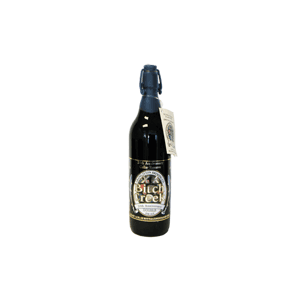
To commemorate their twenty-year history, Grand Teton’s brewers chose four of their year-round beers to strengthen and enhance. Their Bitch Creek ESB is a massively flavorful beer that was already pushing the limits when first brewed in 2003—and the Cellar Reserve version, known as XX Bitch Creek Double ESB, is the final release in their 2008 XX series. We had our eyes on this beer when we first got wind of it, and we’ve worked with Grand Teton before in our Domestic Beer Clubs—we knew it would age well, so we had them salt away some for us so we could check on it to make sure it was maturing as expected. At a full year after brewing and roughly ten months of bottle conditioning, we sampled the stash, and the stash was good… Very good… Already a cellar reserve when first released, our stash was cellared and reserved even longer (we can boast if we want to—this is important!), and has aged remarkably well, developing added complexities and nuances that only big-ass bottled-conditioned beers can provide. So rather than hoard it any longer, we’re sharing with our Rare Beer Club family (hey, it’s the holidays, right?). The beer is a collector’s item just by virtue of the beautiful packaging. A big ol’ quart+ bottle with wax-dipped swivel top and attached label showing the bottling date and story behind the beer. Now we’re not going to lie to you, it’s difficult to open. Best thing to do is to run the encased swivel band at the neck under very hot water for a minute or two to soften the wax, then give it a firm prying with both thumbs. Trust us, it’s worth the effort. Expect a massive psst! and a visible blow off of beer mist, leaving behind an intriguing smoky vapor just down the neck of the bottle. The beer is gorgeous as well, pouring dark brown and clear, nearly cola-like in color, topped by a deep beige-colored head that clings nicely to the edge of the glass. Smells as advertized—a doubled up version of their Bitch Creek ESB, which is already an extremely aroma- and flavor-forward beer. Massive resinous hop aromas are piney but also approaching ammonia-like in their edge. Not a bad thing at all—some of the best hop-loaded beers get so jacked up with hop oils that pungent, ammonia-like notes come forth—it might not be “natural” for a beer to be this hoppy, but the aroma is completely natural. Expect the alcohol content to come through a bit too, but the mild ‘burn’ here comes from the massive hop content. The tremendous malt base that creates the original Bitch Creek ESB is here, but again, beefed up beyond all sensible proportions, yet somehow managing to still smell clean, like fresh wort (unfermented beer). Malts are toasty in nature with a caramel-on-steroids aroma. Musty citrus notes mingle with suggestions of vanilla and oak (although this beer was not barrel aged), grapefruit zest, fresh cut grass and timothy hay. At the start of that first sip, you think maybe all the gusto was just in the aroma, as it goes down very mellow, but two seconds later you’ll realize you’re wrong as the flavor practically explodes across the palate. Look for this beer to really bloom in the mouth quite quickly after the swallow as burnt caramel and coffee notes develop to featured prominence, followed by biscuits, tangerine, and some alcohol notes akin to apple brandy, with the aggressive level of hops providing that wonderful searing quality that only an overdose of hops can provide. As it warms, look for notes of caramel and chocolate imbued with pine oils to develop. We found the finish marked by massive bitterness with flashes of chalk dust and espresso and a very lengthy, grassy, bitter hop fade. As for food pairing, get yourself a very gamey dish, like goat or pheasant, or a pepper steak, or the hottest Thai coconut curry you can get your hands on—as you’re going to need something very big and flavorful to stand a chance against this Bitch. A big fat Robusto, maybe a Churchill cigar, on the spicy side, would make for a fine partnering as well. This beer is so flavorful now, but we figure it’s got at least another year in it if you want to load up on bottles of the stuff—we’ve kept a few bottles of our original stash and will be checking in every 6 months or so—thanks to the brewers at Grand Teton for the gift that keeps on giving!
Serving Temperature: 45-50° F
Alcohol by Volume: 7.5%
Style: Imperial ESB meets Barleywine
Suggested Glassware: Pint Glass or Snifter
Brasserie d’Ecaussinnes—Ecaussinnes, Hainault Province, Belgium (Southwestern Central Belgium)
Ultra. It’s practically become a dirty word among beer aficionados. When Michelob Ultra hit the market, we thought perhaps it might actually be the Antichrist, so we bought up all the canned goods, propane tanks and good beer (you know, all the standard survival supplies) we could get our hands on and went underground for a while thinking the end of the world was nigh. We came up when we ran out of beer… Sadly, Michelob Ultra only grew in popularity during our absence. Such a backwards use of the term “ultra” that beer is, when you think about it. But surely there’s a beer out there deserving of the term “ultra”—one that beer fans can hold high and proclaim to the nonbelievers that “THIS is Ultra beer. Your Ultra beer is not ultra, nor is it beer.” Friends, such a beer does exist, it was first brewed in the late 1800s, and it comes to us from a small farmhouse brewery in Belgium named for the beautiful little town it calls home.
Brasserie d'Ecaussinnes, in the bucolic Hainault province of Belgium, was built into a farmhouse building on the grounds of an old farm-castle site. The brewery opened in 1999 after Hugues Van Pouke sold his business near Brussels. At the same time, his wife Isabel left her job at the now defunct Sabena Airline. A frightening prospect to leave a corporate income behind to start a Brewery, but the couple had a passion to craft small-batch beers in a rustic, small town, country setting—and they’ve quite nicely pulled it off.
After painstaking restoration of various buildings on an 18th century farmhouse complex, the Van Poukes purchased and installed brewery equipment from a Czech brewing outfit. In April 2000, their first beer was served in the beautiful tavern above the brewery—where you can visit today for fresh beer, artisanal tastings and great food from their menu, which features numerous dishes prepared with beer.
Starting a new brewery is difficult enough, but choosing what to brew – that can be a make-or-break decision critical to the success of any brewery. After some historical research, Hugues and Isabel found that folks in the area, and as far away as western France, were missing a great beer called “Ultra” that had gone extinct nearly 30 years earlier. In 1897, the classic “Brasserie des Carrières” was known for a wonderful, distinctly non-carbo-phobic beer that was full of character and flavor by the name of Ultra. They produced it until 1970 (let’s hope Michelob Ultra doesn’t enjoy a similar 70+ year run), when they transferred production to another brewery, “Brasserie du Progrès.” But this transfer was an ill-fated move for Ultra, as the water used at the new brewery was completely different—and in those days, water chemistry was not as well understood or manipulated to the extent possible today, so the taste of Ultra beer suffered dramatically. In 1972 production of Ultra was stopped, and the beer died an inglorious death.
Shortly after bringing back Ultra, the brewery created Ultramour, a clever little play on spelling as this beer is now served at the famous 100-year-old match-making festival “Le Goûter Matrimonial” (“amour” means love in French, but the name sounds like “ultra more” in English—further emphasizing the beer’s caliber). This fruity beer has four different fruit-infused versions, but might be a bit too strong for all-day drinking at this festival of love, so a light blond beer, Ultra Soif (soif means thirst) at 5% ABV was created. Hey—don’t want to be too boozed up when searching for a mate, right?
Hugues and Isabel Van Poucke can be credited with bringing Ultra back from extinction to beyond its former glory, and we thank them for their very light distribution into the US where this small batch beer is here to reclaim the word Ultra for real beer! Advertize to your friends that you have some of the only REAL Ultra beer in the nation and that you’re once again proud to use the words Ultra and beer in the same sentence.
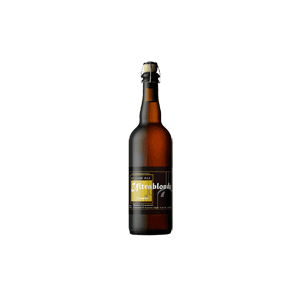
Ultrablonde is not really “ultra blond.” As described above, Brasserie d’Ecaussinnes’ Ultra line is based on the once defunct “Ultra” namesake beer, and this is simply their “blonde” which, lucky for us, turns out to be not simply a Belgian blonde ale but a well-crafted Tripel. It pours a slightly hazy deep straw color and is concealed by a huge cottony head that begins massive in size, fading to a respectable covering and leaving tons of sea foam like Belgian lace stuck to the glass. You could insulate doors with this foam it’s so thick. There’s a tremendous amount of carbonation visible as jet upon jet takes hold all over the glass, bringing a seemingly infinite series of small bubbles bursting through the surface, offering up little explosions of savory scents. Look for big aromas of macerated fruit, some sweet & sugary syrup notes like cherry-maple syrup, and impressions of honey. Expect a floral bouquet with yeasty flashes, suggestions of orchard fruits (think apples and oranges), some muted peppery spice, faint clove and banana. The beer has a mouth-filling consistency that caresses the palate with a silky, creamy texture. The flavor profile kicks off with notes of honey and sugary pear, with a surprising undercurrent of butterscotch. The opening sweetness shifts mid-palate toward tart acidity, reminiscent of Muscat grapes, supplemented by a wheaty twang, and soon develops some mineralized, earthy characteristics and very mild vanilla-like spiciness, all balanced by a faint yeasty, musty, talcum-like quality. Expect Ultrablonde to finish with a mild, lingering bitterness and an herbal, lemony, noble hoppiness that holds on while the finish fades out. The 8% ABV is virtually undetectable, making for one dangerously drinkable and surprisingly refreshing beer. This is a rare brew that works just as nicely in the colder months sitting by the fire as it does at a BBQ in the summer heat—truly remarkable drinkability and versatility. Like the best examples of the Tripel style, this beer requires restraint, as the alcohol does not announce itself and you could easily overdo it now, or later, since this beer is a keen candidate for aging—the bottle conditioning, high alcohol and robust yeast strain mean this beer will hold up and develop in the bottle for quite some time. We suggest checking back in on a bottle at least 6 months down the line, right on up to a max of 2 years. Consider pairing with smoked rosemary salmon served with peppery cream sauce, or Chateaubriand with Béarnaise sauce. Enjoy!
Serving Temperature: 45-50° F
Alcohol by Volume: 8.0%
Style: Tripel
Suggested Glassware: Snifter or Goblet