The Microbrewed Beer of the Month Club

Past Newsletters - June 2009

Brewery
Beers Featured
DOM
VAR
INT
RB
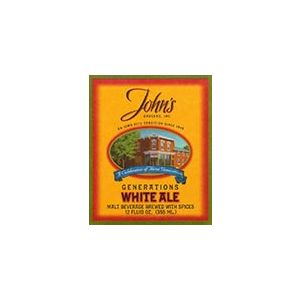
Millstream Brewing Company John’s Generations White Ale
Check
Check
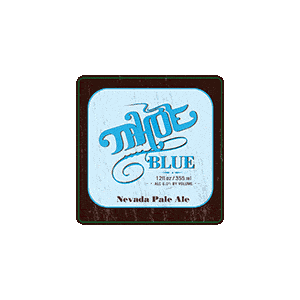
Joseph James Brewing Company Tahoe Blue
Check
Check
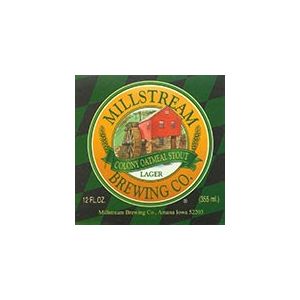
Millstream Brewing Company Colony Oatmeal Stout
Check
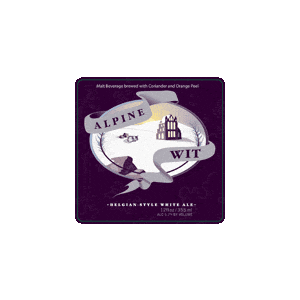
Joseph James Brewing Company Alpine Wit
Check
BrewDog, Ltd.(Scotland) Rip Tide
Check
Check
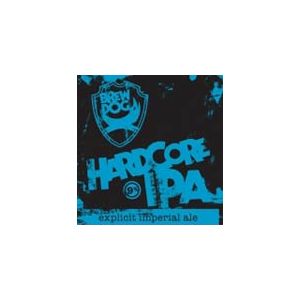
BrewDog, Ltd.(Scotland) Hardcore IPA
Check
Check
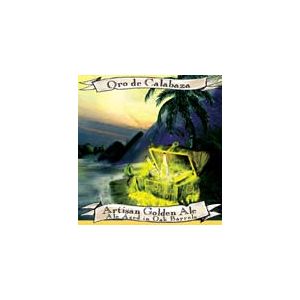
Jolly Pumpkin Artisan Ales (United States) Oro de Calabaza
Check
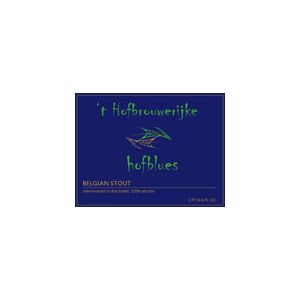
‘t Hofbrouwerijke (Belgium) Hofblues
Check

DOM = Domestic Beer Club; INT = International Beer Club; VAR = Domestic International Variety Beer Club; RB = Rare Beer Club

I'm ready toPlace My Order Button

Millstream Brewing Company

If ever there was a place long overdue for a new brewery, it was Amana, IA. Until the Millstream Brewing Company opened their doors in 1985, the area had not been graced by the presence of a brewery for over 100 years. Why it took that long to get a brewery going in Amana, we don't know. What we do know is that the Millstream Brewing Company, founded by brothers James and Dennis Roemig and Carroll F. Zuber, was born out of a love for the finest European ales & lagers and the will to brew great, handcrafted beers locally. Oh, another thing we know... 24 years after their beers hit the market, they just keep getting better!

In 2001 the brewery was sold to its current owners, Chris Priebe and Teresa Albert. Master brewer Chris trained at the Siebel Institute of Brewing Technology, so rest assured, his brewing skills make the cut on paper... But hey, paper doesn't taste all that great, so get to the tasting notes below and pour a couple Millstream beers for the real proof.

For more information about the brewery and scheduled tours, call (319) 622-3672 or check out their web site at www.millstreambrewing.com.

John’s Generations White Ale

John’s Generations White AleWhite Ales, or "witbiers" as they're known in Belgium, get their name from the light-colored cloudiness contributed by the wheat and yeast left in the unfiltered beer. To properly enjoy this beer, you should pour the first 2/3rds into your glass, then swirl the bottle vigorously to stir up the wheat sediment, and pour the last third into your glass roughly in order to mix the unsettled haze into your beer and get the true-to-style, brilliantly white, voluminous head to rise up to proper proportions. This 2007 Great American Beer Festival Gold Medal winning beer is a fine example of the style. On the nose, expect prominent notes of cloves, orange, and wheat. Look for honeyish malts, grape skins, orange flesh, lemon peel and leafy, herbal coriander notes to greet the palate, with faint plantain notes emerging at full warmth. The beer fades on a tart, spicy note and leaves the palate refreshed, looking for another sip. Great with white fish heavily spritzed with lemon, or any variety of spicy dishes. The witbier style is known for its thirst-quenching character and makes for a great summer beer drinking—which is why we’ve lined up two different Witbiers this month. Be sure to do your own side by side comparison of this beer against the Alpine Wit also featured this month.

Serving Temperature: 50° F
Int'l Bittering Units: 14
Alcohol by Volume: 5.2%
Suggested Glassware: Pint Glass or Pilsner Glass
Malts: 2-Row Pale, Flaked Oats, Flaked Wheat, Red Wheat
Hops: Glacier, Magnum
Other: Sweet & Bitter Orange Peel, Coriander

Colony Oatmeal Stout

Colony Oatmeal StoutEight different malts and grains come together to create this rich, black stout. Stouts are traditionally fermented using ale yeast. However, the folks at Millstream Brewing Company wanted to combine the smooth, clean, easy-drinking qualities of a lager beer with the rich flavor characteristics of a full-bodied stout, thus, we have their Colony Oatmeal “Stout Lager." Expect notes of plum, roasted coffee beans, milk chocolate, hints of figs and maple syrup. Finishes with an espresso and lemon peel fade, with the clean, smooth finish one expects from the lagering process. 10% of the grains used to brew this beer are oats, which contribute to the full-body, while the lager yeast makes for a very clean, crisp finish in this well-balanced stout. Awesome with steamed clams, and quite nice up against eggs Florentine.

Additional Tasting Notes:
After you've tried each of the Millstream beers independently, give this a shot: you've heard of a Black & Tan, but how about a Black & White? While it might sound crazy, adding Generations While Ale to an equal measure of Colony Oatmeal Stout is actually quite tasty. Start by pouring the stout, then, slowly & gently add the white ale. Don't expect them to stay layered like a true black & tan; nonetheless, the two complement one another nicely. Tart from the wit is balanced by roast from the stout, while the chocolate notes from the stout are enhanced by the citrus notes from the wit. Enjoy your first Black & White!

Serving Temperature: 50-55° F
Int’l Bittering Units: 22
Alcohol by Volume: 5.8%
Suggested Glassware: Pint Glass or Mug
Malts: 2-Row Pale, Caramel, Chocolate, Flaked Oats, Munich, Roasted Barley, Black Malt, Red Wheat
Hops: Magnum, Glacier, Saaz

Joseph James Brewing Company

The Joseph James Brewing Company is a family owned microbrewery located in Henderson, Nevada. Matthew Lisowksi & family have been in the beer distribution business for many years. The brewery was founded just a couple years ago to fill a demand for unique microbrewed beers. Their initial line up was pretty bold for a start up: a Belgian-style Wit, a Russian Imperial Stout, and a gluten-free beer so that sufferers of Celiac’s Disease, a condition that makes drinking products made with wheat or barely (i.e. beer) downright uncomfortable or even life-threatening, could again enjoy beer. A pretty niche line up, but again, their aim was to fill the gap of what was around and what they thought was missing from the scene. These days they’re brewing six year round styles and a handcrafted root beer. 

Matt’s little brother Joseph James Lisowski, 7 years old, enjoyed drinking many of the gourmet sodas Matt’s family’s distributorship received before the brewery was founded. One day Joseph poured a Root Beer into a mug, put a straw in it and declared to all within earshot “this is Joe’s Root Beer.”  The name stuck and they named the root beer, “Joe’s Root Beer.”  In honor of the creation of that first product, they named the brewery after young Joseph James. Truly a family brewery, the fox logo that appears on their website (www.foxbrews.com) and their beers is actually the top of the Lisowski family crest.

For more information about the brewery, check out their web site at www.foxbrews.com or give them a ring at (702) 454-2739.

Tahoe Blue

Tahoe BlueTahoe Blue opens with notes of caramel malts, bread, fruits and floral elements on the nose. Look for notes of fruit punch, grapefruit, and hints of spruce, with a faint whiff of maraschino cherries. The flavor parallels the nose, with an emphasis on piney, spruce-like hoppiness, and an almost coffee-like bitterness in the finish. Woody and a bit spicy in the fade. A balanced pale ale that works well with chipotle-spiced, glazed pork chops.

Serving Temperature: 45° F
Int’l Bittering Units: 60
Alcohol by Volume: 6.0%
Suggested Glassware: Pint Glass
Malts: 2-Row Pale, Caramel, Munich
Hops: Cascade, Chinook, Galena, Palisade

Alpine Wit

Alpine WitPour a sample of this and John’s Generations White Ale also featured this month so you can try a side by side comparison. The overall difference is that Alpine Wit is a drier, hoppier version of the style. Look for notes of cloves, earthy wild yeasts and wheat, with dry and peppery flourishes on the nose. On the palate, expect notes of candied orange peel, floral tones and hints of lavender, with a gentle spiciness provided by coriander, yeast and hops. Finishes peppery and lightly clovey. Try with Brie and grapes. Same beer style, two rather different beers—this is what microbrewed beer is all about—interpreting various styles of beer, and sometimes reinventing them. While John’s Generations White Ale is a more traditional witbier, Alpine Wit has a bit more of an American-style infusion, creating a beer that is a hybrid of a pale ale and a witbier.

Serving Temperature: 45-50° F
Int'l Bittering Units: 15
Alcohol by Volume: 5.1%
Suggested Glassware: Pint Glass or Pilsner Glass
Malts: Pilsen, White Wheat
Hops: Cluster, Sterling

BrewDog, Ltd.—Fraserburgh, Aberdeenshire, Scotland (Northeastern Tip of Scotland’s “Central Lobe”)

Scotland is home to numerous unique beer styles—you’ve got your toasty, malty ‘Scottish Ales,’ bigger bodied ‘Scotch Ales’ (Wee Heavy and the like). All great, malt-accented styles that make sense given Scotland’s geography and climate, which has traditionally been prohibitive to the cultivation of hops, but great for the growing of grain. The alternative of importing hops from the English has, let’s just say, not been something the Scots were inclined to do. Not only do Scotland’s beers tend to be on the maltier side of the beery spectrum, they’ve remained fiercely independent and stylistically distinct—fewer imports are brought into Scotland than many other European countries. So what’s a couple of charged up, beer-loving buddies looking for more brewing diversity to do? Start a brewery and begin making their own damn brew! Meet James Watt and Martin Dickie, a pair of Scottish lads looking to bring new and diverse styles to the Scottish beer scene. James likes boats, cookie dough ice cream, philosophy and beer, and dislikes clichés and our triviality obsessed tabloid culture. Martin likes brewing beer and coffee, cake, “herbalism periodicals,” beer (of course), and dislikes excessively curvy fonts, plastic shuttlecocks and American sitcoms.

Are you getting the picture yet? They’re a pair of young punks who don’t care what the world thinks or has to say. They are the neighborhood stray dog. They are marginalized. They are “other.” They are artisans.

This was the philosophy behind the 2007 founding of their brewing outfit, BrewDog. As they themselves put it, “we do not merely aspire to the proclaimed heady heights of conformity through neutrality and blandness. We are unique and individual. A beacon of non-conformity in an increasingly monotone corporate desert. We are proud to be an intrepid David in a desperate ocean of insipid Goliaths.” In other words, if you don’t like our beer, you don’t like REAL beer, and we don’t like you.

We find they’ve got an attitude similar to San Diego County’s Stone Brewing Company, with beers like “Arrogant Bastard” clearly informing the drinker that “you are not worthy.” A healthy amount of arrogance is good for the microbrewed beer world, particularly in Scotland where the wave of better beer has yet to crest. So BrewDog offers untamed, unique styles to the Scottish market (and beyond). There’s Hop Rocker, a “statuesque lager,” The Physics, described as “laid back amber beer,” Punk IPA, a “post modern classic pale ale,” Hardcore IPA, their “explicit imperial ale,” Rip Tide, proclaimed as “twisted merciless stout,” Paradox “whiskey cask aged imperial stout,” and various others.

If you'd like more information about the crazy big beer brewing nutjobs over at BrewDog, get your eyes on www.brewdog.com.

Rip Tide

Brew Dog Rip TideFor an imperial stout, this beer is not as dark as we expected, but no matter—there’s room for variation. On the nose, look for notes of chalk-dusted plums, chocolate milk, Turkish coffee, spicy figs, dried molasses, chocolate pudding, roasted malts & cascade citrus as it warms, with hints of saltine crackers in the background. At full warmth, this beer really opens up and becomes what it was meant to be. Spicy hoppy bites nip at the nostrils, ushering in the full imperial stout panoply of chocolate, roastiness, peat, coffee liquor, prune, black currants, orange-infused milk chocolate, alcohol warmth, buttery flourishes and a chocolate ‘brownie-infused-with-hops’ character in the fade.

We found it drinks deliciously smooth and rich, delivering everything a full-bodied classic imperial stout ought to. And by classic, we’re talking old school. By ‘old,’ we mean ‘old world’ as this beer hearkens back to the imperial stouts of yesteryear. Rip Tide will not live up to expectations if what you expect is a rip-roaring, burn-your-eyebrows-off, Russian Imperial Über Stout. Instead it takes a very traditional approach, evoking the likes of Samuel Smith’s Imperial Stout—which is a hallmark of the style in its own right. Immaculately made with all the right notes singing in unison, and very well balanced—an achievement in and of itself in this style. If you’re relatively new to better beer, and specifically imperial stout, this is a great one to introduce you to the balance that is possible (but rare) in the style. If you’re already a connoisseur, and have had your fair share of ‘imperial this’ and ‘double that,’ keep in mind where these styles came from—the old world standards that raised the bar for their day. This brew raises that bar by being a big beer whose brashness is balance. Sturdy enough to enjoy entirely by itself, it will also work with dark chocolate, fudge cake, or a deep, dark, oily Maduro cigar.

Serving Temperature: 50-60°F
Alcohol by Volume: 8.0%
Suggested Glassware: Snifter, Oversized Wine Glass or Pint Glass

Hardcore IPA

Hardcore IPAAs it’s poured from the bottle into the appropriate glassware, look for a medium straw color, capped by a just-shy-of-white colored head. This beer has a gorgeous pour when poured hard, with bubbles cascading down nicely along the side of the glass (you’ll see this effect more in a pint glass than one with curved edges). On the nose, there’s virtually no sign of the massive 9% ABV. Despite what you might expect from the name (if you are already well-versed in the hop-headedness world of IPAs and double IPAs), hops are not terribly aggressive. The beer is actually quite clean with notes of cereal gains, powdered aspirin, candied orange rind, prickly pear cactus juice, and just a hint of diacetyl butteriness. Ah, but what lurks beneath… It’s as if hop and alcohol notes are kept from wafting out of this beer by its own high viscosity, because while light on the nose, they are definitely present in the flavor profile. Expect the full explosion of this beer to come AFTER the swallow, with the beer planting a land mine of hugely spicy alcohol and bitter hops that go off after the beer is on its way to warm your stomach. Think ‘spiced honey’ in the malt profile, with spicy rye notes. This is a thick, spicy brew, dog. Hardcore it is, relative to your everyday pub ale, but not by comparison to the IPAs, much less double IPAs, made famous the past few years in the USA. The hops seem noble and lemony rather than brash and piney/citrusy, but boy are they piled on to create an impressive level of bitterness. The lack of aromatics really makes the bitterness stand out in its bite, and the after breath gives impressions of caramel and perfume. Think of orange infused rye booze with a spicy, almost hot finish. This works with Fish and Chips, or spicy Indian curry beef.

Serving Temperature: 40-45°F
Alcohol by Volume: 9.0%
Suggested Glassware: Pint Glass, or Oversized Wine Glass

Jolly Pumpkin Artisan Ales—Dexter, Michigan, USA

Approaching the nondescript structure that houses the Jolly Pumpkin Artisan Ales brewery, you might think the place looks more like a defunct paper products warehouse than a world class brewery. But step inside and not only will you find shiny brewing equipment, you’ll encounter row upon row of wooden barrels in which beer of various ages, blends and funk-levels is maturing. The brewery performs barrel aging on ALL of its beers. The time, labor and expense required to age every ounce of beer they make in traditional wooden barrels, is, some would say, madness. But it’s what breeds their awesome array of truly distinctive beers. Well, that and open fermentation, meaning the yeast are left to work their magic in a container that’s left wide open—instead of being inside a closed stainless steel tank. This means that any wild yeast floating about in the air can get into the beer and apply a bit of their own “natural funk” to the flavor of the beer.

Talk about personalization—the combination of open fermentation and barrel aging is not only artisanal brewing, it’s an additional element of the art of brewing that has largely disappeared from the craft. Sure, barrel aging has become increasingly popular among craft brewers and beer geeks, but as a proportion of the overall amount of beer produced in the US, few people are doing it, and fewer do it as well as Jolly Pumpkin. JP takes it a step further by even fermenting its beers in wood before aging them in cask. A risky process when it comes to consistency and quality control, but founder and brewer Ron Jeffries somehow manages to pull it off.

Ron runs Jolly Pumpkin Artisan Ales along with wife, Laurie, and son Daemon. They’ve been a family brewery since 2004, and an international sensation since shortly thereafter.

Check out www.jollypumpkin.com for more information about this impressive little brewery from Michigan, including what’s behind their unusual name.

Oro de Calabaza

Oro de CalabazaOro De Calabaza means ‘Pumpkin Gold,’ and true to its name, it is golden orange in color, with a lusciously large foamy, sticky head. On the nose, look for notes of lemon zest, raw, tart and sour grapefruit juice notes, woodsy fallen leaves, oranges, perfumy alcohol, faint notes of leather, phenols and spice (think ginger). What jumps out most prominently is the slightly funky “tartness” from the wild yeasts—giving the traditional barnyard or horse blanket character that should be present in a beer brewed in the Franco-Belgian tradition of farmhouse-style ales. Here’s what you need to do: for your first sip, let the beer sit in the mouth for a moment, then swallow, and wait… and wait… and wait… notice something? The flavors are still going… This is one complex beer! Notice how the beer tickles the throat as it goes down, both from the high carbonation, and the prickly levels of spice and hop character. Expect sharply tart flavors upfront, fading to an orange-peel-like bitterness, with pithy lemon and orange notes, distinct notes of lemon juice, and heaps of white pepper. Look for notes of champagne and leather (sounds like our last trip to Vegas!), pineapple, coriander, with a bitterness that grips at the back of the tongue and throat. There’s a remarkable interplay between sour and bitter—often, that’s a combination that fails miserably, but it’s amazingly palatable here and the mix of the two is one of the hallmark features of the Jolly Pumpkin beers. At full warmth, champagne-like dryness blossoms more fully, with notes of grape skins, fennel spice, and mandarin oranges. The champagne impression comes from the combination of carbonation and the flavors imparted by this beer’s aging in used chardonnay casks. This beer is so robust and flavorful, it’s hard to imagine a meal that would enhance it, but lobster claw with lemon juice and drawn butter provides a rather nice accompaniment.

Serving Temperature: 45-50° F
Alcohol by Volume: 8.0%
Style: Chardonnay Barrel-Aged Bière de Garde
Suggested Glassware: Tulip

‘t Hofbrouwerijke—Beerzel, Belgium (North Central Belgium)

It was over 20 years ago when Jef Goetelen brewed his very first beer. He was so disappointed with the result, he poured it down the drain. He did do some follow up research to understand why his first beer was not the success he had hoped for. But after figuring it out, he took a break from brewing—a break that lasted 15 years. In other words, he didn’t quit his day job.

In 2001 his passion for brewing was rekindled when his job got him back in touch with his original set of brewing buddies. The group decided to enroll in the Ceria-Coovi Brewing School in Brussels, where Jef hoped to get over his bad beer trauma of 15 years before. Sure enough, his next brew, brewed in the style of a Tripel, was right on the money. That successful batch led to countless additional batches, where Jef honed his craft and developed into a rather accomplished homebrewer while a member of the nearest Brewer’s Guild he could find. Located in Mol, Belgium, it was an hour’s drive from his home in Beerzel, but his involvement in the guild gave him access to their brewing facility and the opportunity to learn as he experimented with numerous recipes and various beer styles.

Eventually the commute wore on him, and the idea of setting up a brewery near his home began to seem like a viable alternative to the drive. So, this once gun shy brewer made the decision to build his own brewery—quite a transition! Ultimately he found what he calls “a perfect spot” near his home, and ‘t Hofbrouwerijke was born. In the end, the brewery ended up being slightly larger scale and more professional than what he had first envisioned, but it’s allowed him to brew his own beers and have enough to share with the world. Plus, he’s created the opportunity for folks in his former position who are interested in brewing to use his facility to brew on a larger scale than your typical 5-gallon homebrew set up. Despite having a professional brewery, Jef considers brewing just a hobby that got a bit out of hand. He still has fun with it, and brews some great beers using traditional methods. This month, we’re featuring Jef’s darkest beer, a rich, roasty, full-bodied Belgian stout. Enjoy!

If you’d like more information about the brewery, visit their website at http://www.thofbrouwerijke.be.

Hofblues

HofbluesHeads up: this one’s a ‘foamer,’ so be ready to pour right after popping the swivel top, lest you run the risk of having beer erupting out of the bottle. This Belgian Stout pours an ultra deep brown, nearly black color, with a massive medium-brown head. First thing our panel noticed was that this beer has the nose of a much bigger, 8+% ABV Imperial Stout, but at only 5.5%. Is it legal to have this much flavor jam packed into a “session” beer? Expect notes of chocolate pudding, fudge, orange-infused cocoa, plums coated in roasted coffee bean oils, anise, and a mildly peppery, woody hoppiness in this beer’s amazingly aromatic bouquet. Despite its moderate ABV, notes of alcohol jump out, sharpened by the hops and roasted malts. Flavors of roasted coffee are apparent, but relatively subdued—black patent malt notes come through with a slight acidity and dry stout style notes. Nuances of ginger-like spice, plums, dark berries (currants), spruce, and faint suggestions of vanilla, gin and leather round out the flavor profile. Finishes with a bit more coffee than chocolate, and woody hop notes. Vastly complex, and nice that it brings the flavor of a big, badass imperial stout without all the alcohol, meaning you can take your fill from this big bottle without gettin’ loaded. Pair with chicken mole or a chocolate-filled sweet crepe.

Serving Temperature: 52-60° F
Alcohol by Volume: approx. 5.5%
Style: Belgian Stout
Suggested Glassware: Pint Glass, Mug, Stein

I'm ready toPlace My Order Button

C&H Internationals Logo Since 1994
Join Our Club
Gift Memberships

Membership Renewals
Reorders
Home Page
More Information
Current Selections
Past Selections
Testimonials
Other Gourmet Clubs
Corporate Gifts
Wedding Gifts
Brewery Search
Style Guide
Beer Fun Section
Industry Resources
Festivals
Print a Gift Card
Send a Virtual Brew
Refer a Friend
Send a Hint
E-Promos
Contact Us
Link to Us

1 - 800 - 625 - 8238
(Outside US call: 949-206-1904)
P.O. Box 1627, Lake Forest, CA 92609