The Microbrewed Beer of the Month Club

Past Newsletters - March 2010

Brewery
Beers Featured
DOM
VAR
INT
RBC
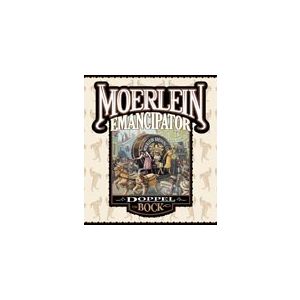
Christian Moerlein Brewing Company Moerlein Emancipator Doppelbock
Check
Check
Clipper City Brewing Company Heavy Seas Pale Ale
Check
Check
Christian Moerlein Brewing Company Moerlein Friend of an Irishman Brewer’s Stout
Check
Clipper City Brewing Company Heavy Seas Gold Ale
Check
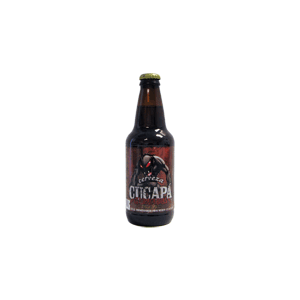
Cucapá Brewing Company (Mexico) Chupacabras Pale Ale
Check
Check
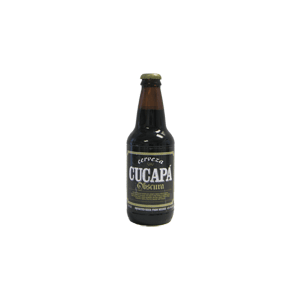
Cucapá Brewing Company (Mexico) Obscura
Check
Check
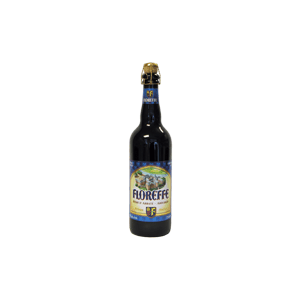
Brasserie Lefèbvre (Belgium) Floreffe Prima Melior
Check
Dogfish Head Craft Brewery (USA) Red & White
Check

DOM = Domestic Beer Club; INT = International Beer Club; VAR = Domestic International Variety Beer Club; RBC = Rare Beer Club

I'm ready toPlace My Order Button

Christian Moerlein Brewing Company

Cincinnati, Ohio, is home to a rich brewing tradition. One particular region, north of downtown, was a focal point for German immigrant settlers and, by no coincidence, became a brewing center. Many of the settlers to the area made a daily trek across bridges over the Miami and Erie Canal, which separated the area from downtown Cincinnati. In homage to their homeland they called their neighborhood "Over-the-Rhine," imagining the canal to be the Rhine River. In its heyday, Cincinnati's brewing industry boasted 36 operating breweries, many based in the “O.T.R.” area.

One of the gents who kicked off the brewing-centric nature of the Cincinnati area was Christian Moerlein, a Bavarian blacksmith who immigrated to America in 1841. Within a year he had settled in Cincinnati and in 1853 established the Christian Moerlein (pronounced "more-line") Brewery. Moerlein became the most prominent brewer in the city, and ranked among the top ten in the nation, selling his product across the United States as well as to other countries, which is notable because at the time, no other Cincinnati brewer had entered the international marketplace. The brewery continued to operate after his death in 1897. However, in 1920, Prohibition dealt the brewery a fatal blow.

In the late 1970s, another famous Cincinnati German-brewed beer brand, Hudepohl, founded in 1885, resurrected the Moerlein brand. But Hudepohl eventually folded and the brands passed to the Snyder International Brewing Group, who kept the brand alive (barely) and moved production of this key Ohio brand to Maryland. In 2004, Greg Hardman, a greater Cincinnati resident and successful beverage industry veteran, hatched a plan to bring this beer back home to Cincinnati and purchased the Christian Moerlein brands and recipes. Takin’ it back to the people!

For more information about the Christian Moerlein Brewery check out www.christianmoerlein.com.

Moerlein Emancipator Doppelbock

Moerlein Emancipator DoppelbockProhibition, aka “The Noble Experiment,” lasted 13 painful years from 1920-1933. The impact of this alcohol drought is still felt to this day and is a major contributor to the fact that mass-market beers in the US are the bland mess they are today. Simply put, Prohibition sucked. Which is why its repeal is something to be celebrated. The brewers at Christian Moerlein have celebrated big by creating a German-style doppelbock using six different types of malted barley to commemorate the 75th anniversary of the repeal of Prohibition in Ohio. Emancipator is a traditional offering, greeting the nose with bready, malty goodness. Look for notes of dark fruits like prunes and raisins, and a waft of rum. We get notes of toffee, caramel and coffee as well. On the palate, expect a big, chewy beer presenting impressions of figs, plums, raisins, salt and peat, with currants and slight almond nut character and slight alcohol warmth. There are some slight burnt malt notes in the finish, perfectly appropriate for the style due to the extensive caramelization of the malts in the kettle as the beer is brewed. Malt-focused and sweet for sure, this doppelbock is balanced by a hefty herbal hop content that keeps the malts from becoming cloying. Overall, great balance in such a hefty style.

Serving Temperature: 50-55° F
Int'l Bittering Units: 27
Alcohol by Volume: 7.0%
Suggested Glassware: Mug or Stein, Pilsner Glass or Pint Glass
Malts: 2-Row Pale, Gambrinus Munich 30, Extra Special, Dark Chocolate, Cargill Munich, Aromatic
Hops: German Hersbrucker

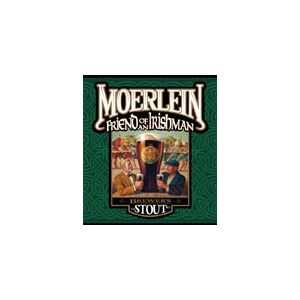
Moerlein Friend of an Irishman Brewer’s Stout

Friend of an Irishman StoutThe era of the original Christian Moerlein Brewery was one of European immigration to the major cities of the United States. Cincinnati became the foreign home for waves of German and Irish immigrants. The two groups overcame cultural differences, and may have banded together to some extent in response to the temperance movement—the precursor to prohibition—which vilified the Germans and the Irish who were alleged to be well-known for their supposedly heavy drinking. Their friendship and alliance are celebrated by this beer. This is an example of an Irish-style dry stout. Traditionally modest in alcohol content, dry stout suffers from the misconception that it is a highly caloric, overly intoxicating, heavy beer. Quite the contrary, the style tends to offer up fewer calories than most far-paler Belgian-style ales or amber IPAs, for example, mainly due to the fact that it has far less alcohol. The heaviness comes from people equating depth of color with “strength”—a connection that only works when you compare color of straw-water macrobrews against everything else, and the lingering flavors left on the palate by dark malts. On the nose, expect notes of roasted coffee beans. Also look for fresh oats, which are used to enhance the dryness and to bolster the mouthfeel of what would otherwise be a fairly thin beer. Flavorwise, this is a coffee-driven malt profile—all coming from the use of highly kilned malts (there is no coffee used in the brewing process, it’s all malted barley baby!). The feel is moderately light and even crisp in the mouth, right in line with the style. Roasty notes and lightly astringent bitterness linger in the coffee and faint chocolate notes in the finish. A highly drinkable domestic Irish-style Dry Stout. Sláinte!

Serving Temperature: 45-50° F
Int’l Bittering Units: 27
Alcohol by Volume: 4.7%
Suggested Glassware: Pint Glass
Malts: 2-Row Pale, Roasted Barley, Chocolate, Caramel, Flaked Oats
Hops: Mt. Hood

Clipper City Brewing Company

The history of the Clipper City Brewing Company goes back to the mid-1980s when Hugh Sisson, owner and founder of Sisson's, a local restaurant and bar, first recognized the potential for a small brewery in Baltimore. Upon attempting to get a license to brew beer at his restaurant, he quickly discovered that legislation prevented brewpubs in Maryland. So he began working with Senator George Della, Jr. to successfully lobby the Maryland General Assembly to pass legislation permitting brewpubs in Maryland. In 1989, Hugh began brewing at Sisson's, Maryland's first brewpub.

The move helped usher in the wave of craft brewing in Baltimore, and Hugh engrossed himself in the development and market recognition of both Sisson's brewpub and its beers, while simultaneously serving as this pioneering facility's first Brewmaster. After five years of brewpub brewing, Hugh took his craft brewing to a larger platform by starting a full-scale microbrewery. Three guesses as to who stepped in to say he couldn't do it… that's right, the state. It seems that "they" (a.k.a. "the man") took issue with his owning both a brewpub and brewery. The logic behind this legal blockade? Your guess is as good as ours—this is the business model used throughout Europe for hundreds of years. Fortunately, Hugh was undaunted by the legal challenge, did battle with the powers that be, yet again, and pulled out the win less than two years later. In early 1996, Clipper City Brewing, borrowing a Baltimore sobriquet as its name, officially began brewing on the scale Hugh was going for.

For more information about the brewery and scheduled tours, call (410) 247-7822 or check out their web site at www.heavyseasbeer.com.

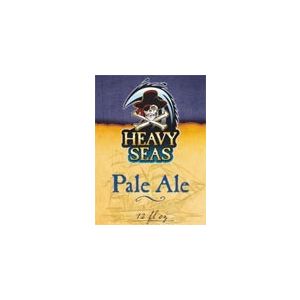
Heavy Seas Pale Ale

Heavy Seas Pale AleHeavy Seas Pale Ale is modeled after the English Pale Ale style, with some US-influence for good measure. We recommend you pull out an American Pale Ale, such as Sierra Nevada Pale Ale, and compare with this one for a good study in English-style vs. American-style Pale Ale. This beer took home the GABF Gold Medal in 2008 in the English Style Pale Ale category and pours a perfect copper color with a firm, frothy head. Has some floral hops on the nose, atop a lightly sweet malt base. Follows suit on the palate with ample bitterness to balance the slightly tasty caramel sweetness. So damned easy to drink, it begs to be followed by another, and accompanied by good conversation.

Serving Temperature: 45-50°F
Int’l Bittering Units: 28
Alcohol by Volume: 4.75%
Suggested Glassware: Pint Glass
Malts: 2-Row Pale, Munich, Crystal, Caramalt, Black
Hops: Cascade, Columbus, Fuggles, Golding, Anthanum

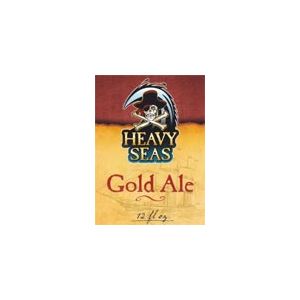
Heavy Seas Gold Ale

Heavy Seas Gold AleA 2000 Bronze medal winner at the Great American Beer Festival and the Official Beer of the Baltimore Bicentennial in 1997. On the nose, expect sweet malt scents with bold aromatic hops revealing notes of pine and citrus. Compared to the nose, the hop presence is subdued in the flavor, with light caramel malts making up the bulk of the profile with restrained hops contributing a floral note against the graininess that steps in just before the gently bitter finish. Overall, well balanced and highly drinkable. This beer goes down so smooth and easy, yet is full of character. Highly approachable, so if you're trying to sway your friends away from the big macros that dominate restaurants and bars across the country, this would be a good one to share as a way of turning them on to better beer—and it's one you, as a beer connoisseur, can enjoy right alongside them! Blonde Ale, as this style is known, goes great with grilled chicken dishes, pizza, or even a hearty California Cobb salad. Or, try this tasty recipe from the brewery’s web site: www.ccbeer.com/beer-batter-turkey.

Serving Temperature: 40-45° F
Int'l Bittering Units: 17
Alcohol by Volume: 4.6%
Suggested Glassware: Pint Glass
Malts: 2-Row Pale, Crystal, Wheat
Hops: Cascade, Columbus, French Strisselspalt

Cucapá Brewing Company—Mexicali (Baja California), Mexico (Northern Mexico)

Craft brewed beer from Mexico? In a world of Corona and Tecate, could there be such a thing? Sadly, this is the expectation many of us have when pondering beer from Mexico. As a brewing culture, Mexico has a leg up on the big US Brewers. Not unlike the early US beer scene, early German settlers in the 19th century made sure the beer was to their liking, catering to an ever growing population of European immigrants. In Mexico, they also made sure their beers were suitably thirst quenching for the hot climate. But, no Mexican version of national Prohibition meant that, unlike in the US, these traditions went uninterrupted.

And while many of Mexico’s beers have been associated with mass-marketing the “laid back, ultra casual, everything needs a lime” approach to beer drinking, there are many well made examples of Mexican beer, due in no small part to the contributions of early German settlers who left their mark on the local beer scene. While the German influence effectively eliminated production of ales in favor of lagers, Pilsner never quite became as ubiquitous as it is in the rest of the world. Instead, toastier, more firm Vienna-style Lagers prevailed in the Bavarian tradition. It was when the country joined the big league of brewing countries in the early 1970s by becoming one of the top ten beer producers worldwide, overtaking even Canada and East Germany, that Mexican beer got stuck in the paradigm of global sameness that was and remains the international brewing scheme made so successful by the constantly merging brewing conglomerates. Add huge advertising budgets held by large companies and campaigns to tap the vast American beer market and you have, basically, what generally comes to mind when we think of beers from Mexico.

But look back further in the history of brewing in Mexico and one finds a far more original, pioneering past; Mexico was actually home to the first commercial brewery in the New World, set up through the patronage of the King of Spain in the mid-1500s, in Cortés’s day. And fermentation of local cultivars such as Blue Agave has given rise to a rich tradition of concocting entirely original alcoholic libations.

Using the local resources of the land in a creative and responsible manner was the way of many indian tribes of North America, including the Cucapá tribe, Baja California natives who were the first settlers of the Colorado river delta—a region which has since grown into the northern state of Mexicali. Only a few direct tribe ancestors remain, but another bearer of the Cucapá name intends to pioneer a microbrewing revolution for Mexican beer. The Cucapá Brewing Company, founded in 2002, is Mexicali’s first local brewery in 25 years, but they’re brewing something very different than the last one. The brewery opened in 2002 as one of the first microbreweries in Mexico, but in the form of a brewpub. At first, it was a pretty tough sell. Their beers are stronger, more robustly flavored than what comes from just about every other brewery in the country—but it’s not unlike the market that early US microbrewery pioneers faced when they kicked off their own attempts at revolution in the late 1970s and early 1980s. In relatively short order, in part due to growth in popularity of the US craft brewing scene, demand was growing to such an extent that CEO Mario Garcia realized an opportunity to grow their brand dramatically. In 2006, a bottling plant and stand-alone brewery was opened. Sadly, this meant the brewpub and a 2nd bar were both closed in favor of moving exclusively into the production realm of the brewing business—but on the upside, they’re helping to change the hearts and minds of many local beer drinkers, and those outside of their borders. They are the first and only Mexican microbrewery that has received a score of over 90 from the US-based Beverage Tasting Institute, and they’ve done this for four of their beers.

The brewery continues to take risks considering that about 99% of the beer brewed in Mexico is some form of pale lager. Cucapá produces a barleywine, a Gold Medal winner during the 2006 World Beer Championships (WBC), a Bronze Medal winning Wheat beer at the 2005 WBC, an Amber brewed with local Mexican Honey, which took a Gold Medal at the 2007 WBC, a low calorie light beer, and a Silver Medal winning Blonde Ale, in addition to the two beers we’ve lined up for you this month—one of which is literally the hoppiest beer in Mexico! We tip our hats to the folks at Cucapá for re-pioneering the Mexican beer scene.

For more information about the brewery, check out their website at www.cucapa.com.

Chupacabras Pale Ale

Chupacabras“Imported Beer From Mexico.” You’ve seen these words before, and rarely (if ever) did it mean you were in for a true surprise. That’s about to change. First, some background to explain the name and the bottle label. The Chupacabra is a legendary animal, purportedly native to, but not limited to, Mexico, that has been described as anything from a spiny alien-looking demon-beast to a hairless dog-like creature. The term means, literally, “goat sucker,” owing to the reports that this rarely seen animal has been associated with feeding on livestock, especially goats, leaving behind carcasses that are found in an exsanguinated state. Worked up a good thirst yet?

Some chupacabras have been shot and killed, some are found dead. A few of those that have been so “caught” have been sent to various universities and labs for analysis. In general they end up being mutated versions of coyotes with extreme cases of mange. This beer, however, is no mangy mongrel, though some rightfully consider it a monster of sorts, being the hoppiest beer in Mexico at 45 IBUs (and that’s International Bittering Units, not “Blood-sucking” units). On the pour, we have a burnished copper color beer with a sticky off-white head that offers up faint British-barleywine notes blended with American Pale Ale. Look for notes of juicy butterscotch and big malty richness, as well as some pretty big citrus and pine hop aromatics. On the palate, expect notes of fresh barley grains to develop early on, balancing a citrusy hop zest character which soon transitions to a strong bitterness. Despite its hefty hop content, it actually remains a fine warm-weather brew as we found it went down with a moderate bitterness that felt relatively cleansing in nature. Finishes with a lingering hoppy bitterness and some malty after-breaths. This is a great beer to pair with fattier dishes because the hop bitterness will cut through the fattiness and help cleanse the palate. We recommend pairing with pollo guisado stew, tripe, or rosemary potatoes in thick hearty white gravy and biscuits, or take it on with some Jalapeño and Serrano pepper-topped nachos—as it will hold up to strong spiciness as well.

This goat sucker is becoming a sort of legendary monster itself in Mexico—there are virtually no other beers like this, and it’s easy to understand how it might spur rumors that something strange is running about causing mischief in the still night of the Mexican brewing landscape. But instead, this is just a well-made hoppy craft brew. The Chupacabra is just misunderstood. Befriend him and let his mystique add to your own.

Serving Temperature: 42-45°F
Alcohol by Volume: 5.8%
Suggested Glassware: Pint Glass

Obscura

ObscuraLooking north for inspiration (well, only about 2 miles north, they’re really close the border), this beer is Cucapá’s impression of an American Brown Ale, which could mean a lot of things, since Brown ales can run from sweet and syrupy to robust and spicy with an alcohol by volume of 4 to 8% or so. Obscura is a stab toward the easy drinking sweet side of the style, with a decent amount of American hops thrown in for some citrusy aroma notes and moderate bitterness in the finish. Expect a chestnut brown ale with garnet hues developing with exposure to light. A tan head fades somewhat quickly to a respectably-enduring collar around the edge of the glass. Note fresh produce on the nose: stone fruit skins, oranges and apples in that fresh, produce-aisle kind of smell. Check out the wafts of cocoa, and a faint bit of lactic (milk-like) funkiness that lurks in the background, overshadowed by lightly roasted nuttiness. Overall aroma is malty with a citrusy edge, well within the realm of American Brown Ale. On the palate, look for notes of dough, toasted sweet bread, notes of brown sugar sweetness, citrusy orange notes, and some earthy spice from the hops. Notes of caramel and a bit of chocolate and molasses linger in the relatively bitter finish. We suggest pairing with a hearty stew or steak chili. Please note: this is a beer that should be consumed fresh—don’t hang on to it too long, it’s not meant to be aged. Enjoy the moment—drink your beer!

Serving Temperature: 45-50°F
Alcohol by Volume: 5.2%
Suggested Glassware: Goblet or Pint Glass

Brasserie Lefèbvre—Quenast, Belgium (Wallonia—Central Belgium)

A stone quarry town since the late 1800s, Quenast, Belgium has long been a town where great thirsts beg to be quenched. In 1876, local gamekeeper, farmer, innkeeper and brewer Jules Lefèbvre answered the call to bring his town their own brewery. The Lefèbvre Brewery has been in near-constant operation since then, remaining a family-run craftsman business through six generations of Lefèbvre brewers. We say near-constant because in 1916, during World War I, the brewery was dismantled by order of the Germans, who commandeered its metals. But just after the war, in 1921, Jules's son Auguste set up shop in a new location, taking over a bankrupt brewery—and this is where the brewery remains to this day.

Along with Auguste, the 3rd generation of Lefèbvre brewers, Gaston Lefèbvre, entered the scene and oversaw various modernization projects that would allow for better production quality and an increase in beer volume. Even though elements were 'modernized,' beer was still made in a coal-fired kettle that used ambient wind currents from the valley below the brewery to control the intensity of the flames (that fire-fed kettle is still in use to this day). Unfortunately, as World War II did for so many breweries throughout Europe, operations were again jeopardized. Thankfully, this time around, the brewery was not dismantled, but it was dealt a blow by being restricted to producing only a 0.8% alcohol beer until about 1945.

Pierre Lefèbvre, 4th generation family brewer, took up the reigns from 1960 until 1975, when the torch was passed again to his son Philippe Lefèbvre. The 6th generation of Lefèbvre brewers, Paul Lefèbvre, joined the team in 2002. Today, under Paul's stewardship, this family brewing operation produces a wide range of different beers, from traditional witbiers to honey-laced lagers to Abbey Ales to various fruit beers including Kriek (cherry), Pèche (peach) and Framboise (raspberry). While we find their beers to be quite refreshing, we believe that their traditional, family-run business model is equally so! For more information about the brewery check out their website at www.brasserielefebvre.be.

Floreffe Prima Melior

Floreffe Prima MeliorPrima Melior (meaning, roughly, “ahead of the very best”) was the Special Reserve Ale brewed exclusively for the use of the Abbot and his guests at the Floreffe Abbey in the heart of Belgium from the 13th through the 18th centuries. It was a very special guest who was provided the rare opportunity to sample this heavenly brew. Today, you can’t get this beer in the US without a membership in The Rare Beer Club—it’s being brought imported from Belgium just for our members, and like so many of the beers that we feature, it will age well as it conditions in the bottle, making it a great addition to your beer cellar collection. We first sampled this beer about a year ago and held on to a few bottles to see how they’d hold up. The beer actually develops quite a bit in the bottle over time, drying out just a bit and letting the spices mellow out some, so if you want, order a few extra bottles and check in on them every six months or so.

In terms of appearance, the beer has an almost cola-like look—deep brown with ruddy hues in the light and definitely on the darker side of the spectrum for a Belgian Strong Dark Ale. Giving a firm pour, the beer will be adorned with a pale tan head that begins to cling to the glass immediately as it decays. It greets the nose with a ton of complex esters and phenols. Look for notes of very young, under ripened apricots and plantains, a subtle mustiness and suggestions of saltiness and yeasty meatiness. Expect powdery, earthy hops and big yeast notes, with a fennel-like edge and a slightly medicinal herbal quality. Some implied astringency on the palate is suggested by the unripe fruit notes on the nose and gets delivered in the flavor profile. One of the key spices in the beer is anise, and a low-to-moderate level of licorice notes will grow as it comes up in temperature. Our first sips revealed tastes akin to very young, hard apricots, with suggestions of underdeveloped plums, dates and black licorice. The tartness is fairly sharp and generally similar to unripe stone fruits. Look for an interesting interplay between licorice-like character and yeasty spices, with some notes of red grapes, and a lingering stem-like woodiness, with a bit of a spice-and-yeast-induced numbing quality like you might expect from a chewed, mint-flavored toothpick. The grape-like notes and astringency do lend a vinous quality to the overall experience, with perhaps a very faint note of chocolate at full warmth. The alcohol is undetectable in the flavor, which is amazing really. How 8% ABV disappears into the void is mind-boggling. Were it not for a pleasing belly-warming sensation, you’d have no indication that this was a 16-proof beer. Overall, as the beer warms, the tartness levels out a bit and lets a subtle hop bitterness hold the sweetness in check, all with a bit of a tingle left on the palate from some unknown element—seems to be the combination of a very heavy hand on the coriander in the recipe, and the spicy byproducts of a very active yeast strain, with a bit of the anise’s aromatics brought into solution and essentially converted to liquid spice. The sensation reminds us of the tingling, slightly numbing experience you get when biting into orange peel. Quite a complex beer. We suggest pairing with a mature hard cheese such as cave-aged Gruyere, or citrus-braised, perhaps even stewed, rabbit in brown-sugar and spice reduction.

Serving Temperature: 45-50° F
Alcohol by Volume: 8%
Style: Belgian Strong Dark Ale
Suggested Glassware: Tulip, Snifter or Oversized Wine Glass

Dogfish Head Craft Brewery—Milton, Delaware, USA (Southern Delaware)

If you had asked us 15 years ago where the country’s most adventurous beers would be coming from, Delaware wouldn’t have been at the top of our list. Who knew that one of the most beer geekish yet irreverently cool breweries in the nation, Dogfish Head Craft Brewery, would be doing what they’re doing right smack in the middle of rural southern Delaware. Even when they hit our radar in the late-90s, while we knew they were doing some pretty interesting things, we had no idea their beers would grow to international acclaim or that they would push the very envelope of what people consider “beer.”

When Dogfish Head opened as a brewpub in the small beach town of Rehoboth Beach, they were the smallest commercial brewery operating in the United States. And while putting the finishing touches on the brewpub prior to opening their doors in the summer of 1995, they were missing just two things: a brewing system and the legal right to sell any of the beer that they intended to make with it. But for founder Sam Calagione, these issues would be trumped by entrepreneurial zeal. After spending the majority of his budget on getting the restaurant up and running, Sam had less than $20k to buy his brewery (this is chump change for a commercial brewery, even at the brewpub scale), so he bought about the smallest brewery that money could buy. It came on the back of a UPS truck one day a few weeks before opening their doors. He unpacked it along with other restaurant supplies that UPS dropped off that day, and rolled it into place—his new “brewery” had the capacity to create 10 gallons (0.3 barrels) per batch. It’s über-small scale would be critical in the development of the Dogfish beers that we know and love today.

Now, part of Sam’s rationale for starting a brewing business in Delaware was that it was one of only a relative few states to not yet have its own brewpub. Sam knew the novelty factor would spur interest in his business, but quickly learned that Prohibition-era laws still on the books meant the whole concept was totally illegal. He would need to rewrite state law in order to do business. After heading to the state capital and knocking on the doors of a few senators and members of the house, he found legislative support, and while previous attempts to change the law had failed, Sam’s personal involvement and obvious passion were enough to get the laws changed just in time for him to start pouring Delaware’s first post-prohibition era craft-brewed beer, just in time for his first critical summer season at the beach.

So he had pulled it off. Now there was just the matter of running, managing and bookkeeping the place, and of course brewing enough beer to supply the thirsty, curious crowds who started showing up looking for Dogfish Head’s “off-centered ales.” To keep up with demand, Sam would brew two or three batches a day, five or six days a week. While it can be fun, brewing can also get boring when you’re talking about that kind of repetition. And Sam would counter his boredom by wandering into the brewpub’s kitchen, picking up some apricots or raisins or maple syrup, basically whatever, and throwing them into the beer. Guided by his own palate, creativity and boredom-based inspiration, the unusual and distinctive beers that would drive Dogfish Head toward ever-expanding creativity and “off-centeredness” were developed.

That creativity and experimentation has served Dogfish Head well. Innovations like continuous hopping, on-the-spot-hopping (see *Randall URL below), or creating the world’s strongest fruit beer, or what was at a time the world’s strongest beer (but remains the world’s strongest stout), or developing modern day recreations of ancient fermented beverages based on molecular analysis of pottery found in archaeological digs, and their early interest in wood-aging beer—all of these have helped push them to become brewers of some of the most sought after beers in the world. The late, great beer and whisky writer Michael Jackson was also a fan of their work, calling Dogfish Head “America’s most interesting and adventurous small brewery.” We believe they were the first, and probably the only domestic brewery to unleash a beer made with blue-green algae (“Verdi Verdi Good” as it was known). Growing demand meant a capacity upgrade was in order. So, Sam and a partner built their own new brewery by assembling cobbled-together used dairy and cannery equipment obtained at auctions, instead of shelling out $200,000 for an out-of-the-box brewpub brewery. Still needing to meet ever-growing demand, which was now coming from their neighboring states, in 1997 Sam opened a full scale production brewery in Lewes, Delaware. By 2002, they had outgrown that brewery too and moved to their current ‘brewery and pleasure center’ in Milton, DE (the plans for this place are ambitious—started as a brewery, now houses a warehouse, a pair of olympic-sized Bocce Ball courts, and will soon be home to their fifth restaurant (their new series of “Dogfish Head Alehouses” started opening under license in Maryland and Virginia). After the upgrade of the original brewpub brewery, a rustic micro-distillery was added. Thus, Dogfish Head spirits were added to the libations list at the brewpub.

The original 10-gallon brewery that Sam started on is now on display during brewery tours at the Milton production brewery—it’s insane to see it in the shadows of their current 100-barrel brewhouse. The brewpub brewery remains the site of continued small-batch experimentation, yielding numerous one-off or very limited release beers that only brewpub patrons can gain access to. Very occasionally, demand for a brewpub release warrants upscaling the recipe for a limited or single-batch production run for bottling—and it’s one of those very unique beers originally created exclusively for “brewpubbers” that we’ve selected for you this month.

The Dogfish Head website is packed with way more info than we could ever fit into these pages, so do pay ‘em a visit at www.dogfish.com. And why not befriend them on Facebook or follow them on Twitter. And for a great read about brewing, business and upstarts in general, check out Sam’s book “Brewing Up A Business. Adventures in Entrepreneurship from the Founder of Dogfish Head Craft Brewery,” featuring a foreword written by our old friend Michael Jackson. And for another Dogfish Head fix go check out the DVD release of “Beer Wars”, a documentary about the beer industry with special focus on the littler fish in the pond—and heavily featuring Sam and the whole Dogfish Head story. For more info, check out beerwarsmovie.com

Red & White

Red & WhiteA Brewpub BEAST after its initial draft only release, it now gets bottled once a year and is only lightly distributed. One of our panel members was actually visiting the brewpub just prior to the beer’s debut in early 2007. Here are some of his notes recounting that and other Dogfish Head pleasantries.

“I remember hearing about Red & White, knowing it was coming a while before it was unleashed on the ridiculously lucky tiny town of Rehoboth Beach, DE. Word spread along the beer geek wire that Dogfish Head’s brewpub brewer was up to something that was going to involve wine grapes and oak, and at the time (late 2006) oak aging wasn’t nearly as common, certainly not for a brewpub release, as it is today. Living within 5 hours of the brewery, my ears perked up when I heard that Dogfish Head was about to get crazy with more fruit beer, on the heels of brewing Fort, an 18% ABV monstrous raspberry fruit beer that became the world’s strongest fruit beer just about a year earlier. I knew that Dogfish Head had always subscribed to elevating the image and experience of beer to being akin to that of wine, without the trust-fund price tag necessary to become a true world class wine connoisseur. But now they were going to make what, “a cabernet beer?” I had to try it. The Red & White project was hatched almost in tandem with another fruit-based beer called Black & Blue, and the two were brewed and released within a month of one another (the concepts at least seemed to happen at the same time). So I got my ass down to the brewpub for a tasting in February of 2007 just prior to the release, and kicked off the night with some Red & White, which was positively unlike any other Dogfish Head (or any other beer) that I had tasted to date. Then I stepped into the ring to get myself a little Black & Blue. After taking a welcomed beating from that one, the gloves had come off… Two organoleptically hops-tranduced, hop-bonged (aka “randallized”*) brewery-fresh 90 Minute IPAs and a snifter of 120 minute IPA and a final glass of Fort to wash it all down, and with a two-year aged bottled of Festina Lente in hand to add to my cellar, well, I was relieved that I could call my Aunt who lives down the road from the brewpub to come pick my ass up… Actually, at that point, I was relieved that I could speak… The same Aunt had previously filled for me 2 growlers of a different Dogfish Head beer kissed by rare fruit—a crazy one off brew named “Arctic Cloudberry Imperial Wit”—and passed them along through various family members who relayed the growlers up to me in Northern NJ where I lived at the time (saving me a 10 hour roundtrip). It was a sort of beer olympic relay. Though a 3rd Growler that I had paid for never showed up… cost of doing business I guess.”

*check this out for more info on what Randallized beers are—another uniquely Dogfish Head concept. http://www.dogfish.com/company/tangents/randall-the-enamel-animal.htm

In the bottled version of Red & White, look for brilliant clarity on this coppery red brew, capped by an off white head. Like a wine, we let this beer breathe for a bit after pouring, which also lets it come up to proper serving temperature if you’ve had it in the fridge. Swirling ahead of our first sniffs, we get big fresh fruit notes—like fresh orange slices and red grapes. Pomegranate comes to mind as well. This beer falls somewhere in the neighborhood of being an imperial wit, and not surprisingly it has alcohol notes on the nose, but these only enhance an overall complex aroma. Look for some musty notes that run almost toward fruit-skin funk, sourdough, and wafts of oaken vanilla. The alcohol helps sharpen some of the edge that comes off of a gentle tartness. Not surprisingly, this beer does have some wine-like character on the palate, but it remains a beer through and through. The name is a reference to red wine (pinot noir juice and barrel aging) and white beer (Belgian witbier). Leave it to Dogfish Head to blur the line between what many in the world consider to be two diametrically opposed beverages. The beer presents a berry-like tart and fruity quality, though the acidity/tartness is low and the anti-sweet balance that eventually reigns is bitterness, not tartness—though both work in some part to balance the malty profile. There are some slightly peppery hop notes in the finish that leave a tickle in the throat and when the beer reaches full warmth, a relatively thick, almost rye-like spice and viscosity emerges. Be on the look out for a definite evolution in the flavor profile, which is sort of the hallmark of this beer (from sip to sip, the character seems to change, with certain notes leaping forth that were just moments before lingering in the background). Overall, expect the beer to finish with a lingering grape and berry bite, and a big alcohol burst—like a massive cabernet. This is a great beer to lay down for aging, so stock up on a few extra bottles of this prized brew.

Pair with savory herb spiced chicken dishes like tarragon chicken, or with a medium-rare filet, or, for a truly unique pairing, a Tarragon-Rosemary Strawberry Tart. Here’s a killer recipe: http://www.delish.com/recipefinder/tarragon-rosemary-strawberry-tart-3254

Serving Temperature: 45-55° F
Alcohol by Volume: 10%
Style: Oak Aged Imperial Belgian Wit
Suggested Glassware: Oversized Wine Glass

I'm ready toPlace My Order Button

C&H Internationals Logo Since 1994
Join Our Club
Gift Memberships

Membership Renewals
Reorders
Home Page
More Information
Current Selections
Past Selections
Testimonials
Other Gourmet Clubs
Corporate Gifts
Wedding Gifts
Brewery Search
Style Guide
Beer Fun Section
Industry Resources
Festivals
Print a Gift Card
Send a Virtual Brew
Refer a Friend
Send a Hint
E-Promos
Contact Us
Link to Us

1 - 800 - 625 - 8238
(Outside US call: 949-206-1904)
P.O. Box 1627, Lake Forest, CA 92609