The Microbrewed Beer of the Month Club

Past Newsletters - July 2010

Brewery
Beers Featured
DOM
VAR
INT
RBC
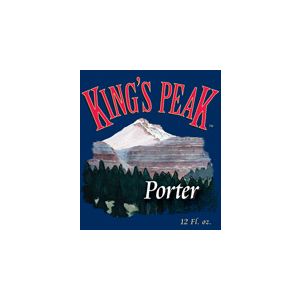
Uinta Brewing Company King’s Peak Porter
Check
Check
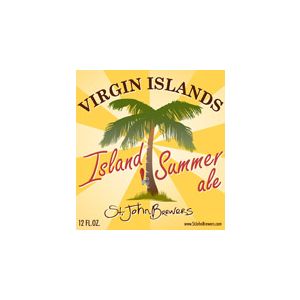
St. John Brewers Island Summer Ale
Check
Check
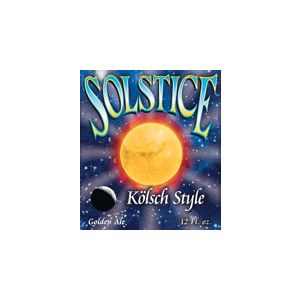
Uinta Brewing Company Solstice Kölsch-Syle Ale
Check
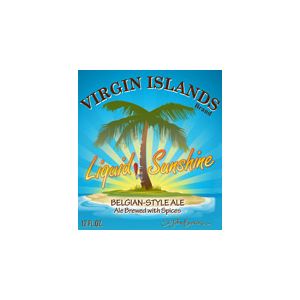
St. John Brewers Liquid Sunshine Belgian-Style Ale
Check
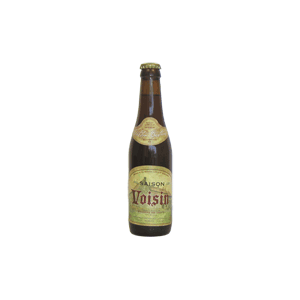
Brasserie des Géants (Belgium) Saison Voisin
Check
Check
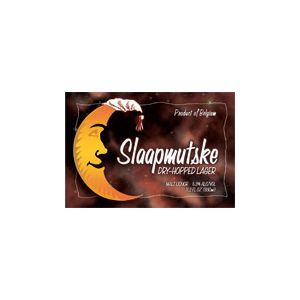
Brouwerij Slaapmutske (Belgium) Slaapmutske Dry-Hopped Lager
Check
Check
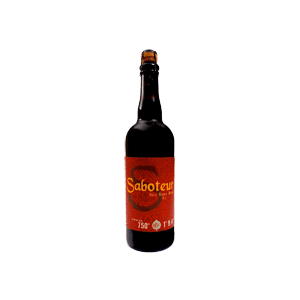
Odell Brewing Company (USA) Saboteur
Check
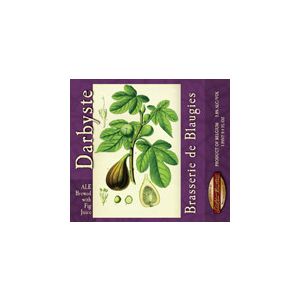
Brasserie de Blaugies (Belgium) Darbyste
Check

DOM = Domestic Beer Club; INT = International Beer Club; VAR = Domestic International Variety Beer Club; RBC = Rare Beer Club

I'm ready toPlace My Order Button

Uinta Brewing Company (Salt Lake City, UT)

The Uinta (pronounced “you-in-tah”) Brewing Company takes its name from a mountain range running east-west across northeastern Utah, located in the Rocky Mountains.  The name “Uinta” is derived from the Ute Indian tribe, from which “Utah” also took its name.  The Uinta B.C. began in 1993 to bring fresh, high quality, craft beer to Utah in a sustainable and environmentally conscious manner.

When founder Will Hamill established Uinta, he succeeded in merging his love of brewing and his passion for the outdoors.  Originally from Maine, Will enjoyed a lifestyle very much like many other Utahans when he arrived in the state, including kayaking, skiing, and biking.  But, something was missing – the great craft beer that he had enjoyed in his native state.  To satisfy his own cravings, Will took to home brewing and quickly became consumed.  After years of perfecting recipes, he was producing beers that not only satisfied him, but also impressed his friends.  At that point he enrolled at the University of California at Davis to study brewing and develop his knowledge of the industry.

When Will began Uinta, it was at a very modest facility – a small, converted auto mechanic’s garage.  From these humble beginnings, Uinta began brewing and distributing beer to local pubs and restaurants, and three years later demand had escalated enough to install a bottling line.  By 2001, the brewery had outgrown its original location, so a 26,000 square foot state-of-the-art facility was built with energy efficiency as a prime goal.  Not only was the new brewery outfitted with the best in brewing technology, it was built to be completely wind-powered.  Yep, the brewery is 100% powered by Mother Nature herself, becoming the first business in Utah to achieve that milestone.  But, Uinta’s commitment to the environment doesn’t end there; they established a recycling location for brown glass, donate their used grain to local ranchers to use as feed, purchase recycled paper, and use natural lighting in the brewery as well as energy-efficient electric fixtures.  Great job guys, we’ll raise a glass to that!

To learn more about Uinta Brewing Company and for scheduled tours, call (801) 467-0909.

King’s Peak Porter

King’s Peak PorterKing's Peak, located in the Uinta Mountains, is the highest point in Utah at 13,528 feet. King's Peak Porter, by contrast, is the deepest colored brew made by the Uinta B.C. Pouring a very dark brown, it has some ruby highlights. Expect notes of roasted coffee, plums, chocolate and a gentle nipping of spicy hops on the nose, and look for these in the flavor as well. Notes of chocolate pudding, charcoal, orange peel and earthy qualities usher in a rather dry finish. We want to thank Uinta for reminding all of us that great beer doesn’t have to carry a mind-numbing alcohol content; this porter is absolutely packed with flavor, yet it sits comfortably at 4.2% ABV. A wonderful session beer that can be had pint after pint without overkill. Try with Madeira steak tips or gravy-smothered pork chops (add about a cup of King's Peak to the gravy during preparation to really tie it all together).

Serving Temperature: 45-50° F
Int'l Bittering Units: 27
Alcohol by Volume: 4.2%
Suggested Glassware: Pint Glass or Mug (clear or opaque)
Malts: Caramel 60, Munich 10, Chocolate, Roast, Black, 2-Row Pale
Hops: Chinook, Willamette, Cascade

Solstice Kölsch-Style Ale

Solstice Kölsch-Style AlePours a brilliantly clear, sunny straw color with a healthy covering of white, soapy head. Decanted into a tall stange, a plentiful series of carbonation jets pleases the eye. As those bubbles burst at the surface, they rouse the aroma compounds, offering up exhalations of very fresh, clean pale grains—exactly what you want to sniff in this style—subdued floral hoppy notes, faint lemons, some suggestions of tossed hay & honey, and an herbal presence in the background. On the palate, expect much of what the nose predicts to land on the palate, with a bit more girth than the aroma hints at. It remains very crisp, and quite light, but abundant in flavor. There is a delicate sweetness that balances very mild hoppy bitterness and subtle levels of spice. Finishes lightly fruity and clean with an herbal, tea-like fade. Overall, this is one impressively balanced beer brewed in a style that is difficult to pin down outside of Cologne, Germany, from where it hails. But beyond that, it’s a true expression of the brewer’s art to produce a flavorful, well balanced, flaw-free beer that is this subtle and complete. This beer has the same ABV as a Bud Light or Coors Light (and the like), yet a vastly deeper depth of flavor—imagine if the masses converted to beer like this and took back the definition of what beer really should taste like from the bland to the grand… Get out there and proselytize proper beer!

Serving Temperature: 40-45° F
Int'l Bittering Units: 24
Alcohol by Volume: 4.2%
Suggested Glassware: Stange, Pilsner Glass or Pint Glass
Malts: Cara-Pils, Munich, German Pilsner, 2-Row Pale
Hops: Vanguard, Hallertau, Tettnang

St. John Brewers (St. John, VI)

We love the story of St. John Brewers. It all starts with two friends in their 20s deciding to leave their jobs and go live the shorts and t-shirt island life on St. John, which is the kind of thing most people just dream about at work while sitting at their desks.  But these guys actually did it!  What was supposed to be just six months turned into a permanent relocation to paradise. Oh yeah, and with a brewing company thrown in for good measure.

Chirag “Cheech” Vyas and Kevin Chipman had been college roommates and buddies at the University of Vermont.  While Cheech was working for NASA as a scientist, and Kevin as a physical therapist, they quit and left to hang out in St. John.  At first they rented an old sailboat with the money they earned from bussing tables.  Conditions were primitive, with no electricity and only ice on which to store food.  Eventually they moved up to tending bar and found an apartment, and life on the island was great.  Everything, that is, except the locally available beer, which was bland and boring – an unacceptable situation for these native New Englanders.

In 2001, after a quick trip to the public library to use the internet, they bought a homebrew kit for fifty bucks and soon were making their own craft beer in their apartment.  It wasn’t until around 2004, when they had dialed in their recipe for Mango Pale Ale, that the idea of a brewing company began to seem realistic.  Realizing there was a niche for locally-produced beer, Vyas and Chipman started brewing on a larger scale, perfecting recipes, and testing the market with their friends.  After hiring a bottling company, they picked up their first loads of beer in their Toyota pickup and began distributing it themselves around the islands.

Now with a distribution company, St. Johns Brewers’ beers can be found in seven US states, Puerto Rico, and of course, the Virgin Islands.  Their “Tap Room” brewpub is located at Cruz Bay in St. John and offers the largest selection of craft beer in the Caribbean.

For more information, call the Tap Room at (340) 998-1333.

Virgin Islands Island Summer Ale

Virgin Islands Island Summer AleIsland Summer Ale pours a golden, deep straw color, capped by an ever-present just-shy-of-white colored head. Expect notes of toasted malts, dough, light peppery spice and citrus-zesty hops, with suggestions of grass and hay in the aroma as well. The nose is quite inviting, and immediately has us thinking that this will be a refreshing brew. On the palate, look for toasty malts, faint impressions of tequila & lime, and a slightly tart character provided by the wheat. We found the mouthfeel to be quite creamy, dropping blankets of flavor while managing to stay light and refreshing. Finishes grassy and buttery with some residual sweetness and lingering impressions of lime, with the final impressions of yeastiness that are so characteristic of the Ringwood yeast strain used to brew this beer. A great hot-weather brew, it serves as a nice base for a Mexican Michelada or a Tequila Boilermaker and works well with just about anything off of the grill.

Serving Temperature: 40-45° F
Int'l Bittering Units: 16
Alcohol by Volume: 4.5%
Suggested Glassware: Pint Glass
Malts: 2-Row Pale, Wheat, Munich
Hops: Hallertau, Cascade

Virgin Islands Liquid Sunshine Belgian-Style Ale

Virgin Islands Liquid Sunshine Belgian-Style AleCapped by a vibrantly white head, this beer pours a pale straw color with a medium degree of haze from residual yeast and wheat in suspension. It presents notes of citrusy spice in the aroma, with some orange zest, as well as some spicy coriander. Look for faint suggestions of pineapple and pear to meet the nose as well. Expect the palate to offer up some citrus notes, lemon peel, and light sweetness atop a backbone of wheaty twang that gives a lightly tart character in the finish. This beer is highly carbonated, which gives it a slight bite in the finish that works quite nicely with the tartness provided by the wheat. A refreshing beer that really hits the spot during the heat of summer. We tried it with fried tilapia served with mango salsa and quite enjoyed the pairing.

Serving Temperature: 45-50° F
Int'l Bittering Units: 20
Alcohol by Volume: 5.0%
Suggested Glassware: Tumbler, Weizen Glass or Pint Glass
Malts: 2-Row Pale, Wheat, Munich
Hops: Willamette, Cascade

Brasserie des Géants (Irchonwelz, Belgium)

The area around Ath, in the Wallonia region of Belgium, is known for more than simply its wonderful beer.  Since medieval times, Ath has hosted an annual Parade of Giants known as “Ducasse”, in which “Gouyasse” (the local name for Goliath) leads other giant-sized figures through the streets, followed by brass bands, carnival floats, and throngs of normal-sized citizens in customary costumes.  Not surprisingly, the local brewery, situated in a small town called Irchonwelz, is known as Brasserie des Géants (the Giants' Brewery).

Brasserie des Géants not only crafts big beers to match their name, they have a rather large piece of real estate as well.  The brewery is situated inside the 13th century Chateau d’Irchonwelz.  Yep, they brew their beer in a medieval castle – talk about Old World tradition!  The site offers an interesting union of quaint charm and impenetrable fortitude.  And, they don’t hesitate to point out on their brewery tours that the gate at the entrance was purposefully built tall enough to allow the occasional giant to pop in for a quick pint (or perhaps keg?) of beer.

The Giants’ Brewery was begun in 2000 by two young locals, Pierre Delcoigne and Vinciane Wergifosse, who built the brewery and operate it.  With a background education in chemical and biochemical engineering, Pierre went on to graduate from the well-known Brewing Engineering program at the Louvain School of Brewing.  In 1997, he and Vinciane acquired Castle Irchonwelz with the ambition of building their own brewery inside.  After devoting two entire years to constructing and setting up the brewery, their first batch of “Gouyasse” went on sale in August of 2000.

Known for incorporating the giants theme in their marketing, such as with the aforementioned Gouyasse as well as a black currant flavored brew cleverly called “Ducassis”, Brasserie des Géants recently acquired another brewery known for using local lore in the naming of its beers: Brasserie d’Ellezelloise, in nearby Ellezelle, Belgium.  In d’Ellezelloise’s case, it was the witch Quintine, known in local legend to have been the protector of the hills around the region’s rolling countryside.  Unified, the two breweries are known, not surprisingly, as Brasserie des Légendes.

All of their beers are fit for giants and giant thirsts alike.  But, in spite of their Giant name, Pierre and Vinciane brew only small batches of beer.  While some are certainly considered “big” beers with high ABVs, and all are big on flavor, they are all produced in low-volume and distributed in limited quantities.  Ironically, in a world dominated by European brewing conglomerates, our friends at Géants are far more akin to David than Goliath.  We wonder how they feel about their position in that battle, given their love of giants and all… but we’re pretty sure they feel a connection with both characters, as they’re a little guy in a world of giant brewers, as well as a colossus in the art of brewing.

Saison Voisin

Saison VoisinThe Saison style of Belgium was developed by the farmers of the Franco-Belgian countryside, and is often referred to as Farmhouse Ale.  Prior to refrigeration, Saison would be brewed towards the end of winter, to be enjoyed during the laborious spring and summer months.  As such, it had to be a strong and sturdy enough beer to last until and through those warm months, but still light and refreshing enough to be a thirst-quencher in summer. Saison Voisin is a marvelous example of the style—we almost wish it were more widely available so more people could try it—but then again, membership in our club has its privileges. This beer would not have been available at all had the founders of the Giants' Brewery not purchased the recipes of the beers formerly brewed by the Voisin Brewery before going into business as their own brewery. The Voisin Brewery has roots as far back as 1877. The last owner was Léon Voisin, who took over the brewery in 1963 and ran it until its closure in 1989. Giants Brewery actually brewed their Saison Voisin under the guidance of Léon Voisin—now that's a good neighbor for ya ("voisin" actually translates to "neighbor" in French—quelle coïncidence?). So, this beer has some history and plenty of tradition to it, and we're glad to know it didn't become another beer lost to time.

Saison Voisin pours a hazy reddish-orange color with an ample off-white head.  On the nose are pleasant malt notes that lend a light caramel sweetness to the base of a very complex aroma.  Look for a very distinct musty, hay-like grassiness to come over the top of the malt notes, along with impressive spicy notes hinting at pepper and cinnamon, with lightly herbal hops finishing it off.  The complexity and aroma profile carries forward on the palate as it opens very crisp and dry, building into slightly sweeter malt notes on the midpalate.  A light spiciness also presents itself right away and builds into the very prolonged finish.  Along the way, there’s a light herbal hop quality along with a citric zing, and a very earthy, almost papery, character that merges with a note of sourdough bread crust all the way to the finish.  We particularly enjoyed the spicy, zingy, and lightly bitter finish as it begged us to take another sip – again and again.  An earthy Fontina or Camembert cheese would make a great pairing (either will bring out a nutty character in the beer), as well as Spicy Indian Samosas, or Larb (Laotian meat salad).

Serving Temperature: 40-45°F
Alcohol by Volume: 5.0%
Suggested Glassware: Tulip

Brouwerij Slaapmutske (Melle, Belgium)

When you think about it, brewing beer is not unlike having a child. The brewer’s relationship with his or her beer is rather parental – the beer is born of the brewer, can sometimes behave in less than desirable ways, and ultimately, rewards the brewer’s toils with a sense of pride and self-respect.  Many brewers look upon their beers very much as children, with each new brew becoming a member of the family.  The story of Slaapmutske Brewery is, at its core, a story of family, and the ways one’s family can support, nurture, and drive one to success.

Danny De Smet grew up in the small town of Melle, Belgium, near Ghent in East Flanders. He attended brewing school and graduated as a brewing engineer in 1992.  Impressively, that very year he was hired as brewmaster at Huyghe Brewery, the much respected producer of the well-known Delirium Tremens and Delirium Nocturnum beers (with the iconic pink elephants on the labels).  While employed there, he developed his homebrewing skills when he was out of ‘the office’.  Danny also worked in a variety of other brewing industry positions over the years, including as a brewing hygiene specialist and as an educator at the Ghent Brewing High School (brewing high school? Where were those when we were kids??).  Meanwhile, Danny met and fell in love with Marleen Vercaigne from the nearby town of Ronse.  Early in their romance, Danny, as he puts it, “infected her with the beer microbe,” an unsurprising perspective from a brewing hygiene specialist.

Beer-lovers Danny and Marleen spent a good chunk of their time perfecting homebrews in their kitchen along with Patrick Scheirlinck, one of Danny’s former colleagues from Huyge.  Considering their location in Belgium’s brewing capital of East Flanders, it’s no surprise that these young brewers possessed very finely honed palates which could guide them toward evermore inspiring and exceptional brews.  After crafting many batches of homebrew together, the couple married, and in 1999 they welcomed their son Jonas into the world.  In celebration, Danny brewed up a brownish-red, spicy-hopped beer of 9% ABV, and it was enjoyed by family and friends alike who came to visit Jonas and his parents in the hospital.  The beer became known as “Jonasbier”, and it was not long before people were asking to purchase some of it – which inspired Danny and Marleen to begin considering how to go about getting their homebrewed beer on the market.

The new parents went to work and crafted a new brew based on the original Jonasbier formula.  One night, while they were brainstorming for a name for their new beer, little Jonas began to cry.  As is quite common in Europe and elsewhere, the parents would sometimes take the child’s pacifier and dip it in a bit of beer to calm their son down.  This time, when Jonas tasted the new, soon-to-hit-market beer, he stopped crying instantly and quickly fell asleep.  Smiling, Marleen remarked, “This beer is a real ‘Slaapmutske’” (which translates as ‘sleeping hat’, or as we say in English, ‘night cap’).  It was then that the couple knew they had the name for their newborn beer.

As it was winter when they brewed their first Slaapmutske, they called it Slaapmutske Winterbier and released it with pride on the market in Belgium in 2000.  Demand increased quickly to the point where the kitchen just wasn’t going to cut it – they needed a real brewery to keep up.  So they partnered with one of Belgium’s most famous and respected brewmasters, Dirk Naudts (known affectionately by the moniker “the Prof” or the professor), and began brewing at his appropriately-named, super high-tech De Proefbrouwerij in nearby Lochristi-Hijfte.  Over the years, they’ve released new beers such as Slaapmutske Blond, Slaapmutske Triple (known as ‘Triple Nightcap’ here in the U.S.), and the new Slaapmutske Dry-Hopped Lager that we bring you this month.  So, while Jonas obviously couldn't brew, he was just as important in bringing these beers to life as his parents. It's fitting that the couple, brought together through a shared love of beer, was inspired with the name of their beers by their first born. The proud family of three has given the rest of us a family of fantastic brews—and for that, we'd like to thank Danny, Marleen and little Jonas!

Slaapmutske Dry-Hopped Lager

Slaapmutske Dry-Hopped LagerDry-hopping refers to the brewing practice of adding hops after the boil in order to give the beer an injection of aromatic and flavorful hop oils (which are broken down during the boil) without adding any bitterness (which is only produced during the boil). It’s a technique most commonly done with certain beers like American Pale Ales, and IPAs, but it’s not very typical of lagers at all. We commend Slaapmutske, as it worked out quite nicely with this beer and we think you’ll agree. Slaapmutske Dry-Hopped Lager pours a bright, clear, golden color with a white head that leaves plenty of sticky lace. On the nose look for pleasant notes of lightly sweet and cracker-like malts, overlaid with distinctly grassy, floral, and lightly spicy hop aromas. On the palate, look for those notes to carry through, with an emphasis on the grassy hop flavors and a crisp bitterness balancing the lightly sweet malt profile. We found the finish a bit drier, and quite long. Well done!

Serving Temperature: 40-45°F
Alcohol by Volume: 5.3%
Suggested Glassware: Pilsner Glass or Flute

Odell Brewing Company—Ft. Collins, Colorado, USA (Western Central United States)

The Odell Brewing Company is one of the relatively few trailblazing microbreweries founded at the start of the microbrewery renaissance to still be brewing strong! Founded back in 1989—rather early considering that most microbreweries in the country today are less than 10 years old—they're now in their third decade of success. Family-founded and owned since day one, the company was only the second microbrewery to open in the state of Colorado; those of you who know how densely populated with microbreweries Colorado is will understand how impressive this really is!

So, what's their secret? Well, it comes down to the beer, and these guys craft some greats. Owners Doug Odell, wife Wynne and sister Corkie have their good family name on every product, which certainly helps ensure that what they deliver is top notch. Combine this element of family pride with the finest and freshest English and domestic ingredients, throw in equal parts adherence to English-style ale-making tradition and American microbrewing ingenuity, and you've got a true recipe for success.

While the brewery has expanded several times, one of the most important additions was in 1997; their 5-barrel pilot system. One tenth the size of their commercial brewing vessels, this small scale production set up was introduced for experimentation. Every few weeks, they create a new specialty beer to share only in their on-site tasting room. If they're particularly well-loved by the brewers and guests, then they make their way to the bottling line for limited distribution in their Single Serve Series, beers brewed just once and in very limited quantities. Generally, you need to get to the brewery to purchase a bottle, but in this case, we picked up a few cases of a beer we enjoyed so much we knew it would be a great fit for the Rare Beer Club.

For more information about the brewery and scheduled tours, call (970) 498-9070.

Saboteur

SaboteurPours a deep burgundy color, relatively clear, with a beige head that sticks around longer than that annoying couple from your last New Year’s party and drops more curtains of lace than a Victorian-era interior designer. OK, enough with the similes or tropes or whatever you literary purist folks want to call them… on to the beer. Now this is a Brett beer! The name references Brettanomyces, that wonderful wild yeast that is the very bane of the wine industry, responsible for sabotaging so many batches of precious vino, but which works magic on beer when properly applied. In this case, the Brett has given us more pineapple notes than a fruit cup. Fans of Brett’s effects on beer tend to appreciate the produce-aisle characteristics it can offer up on the nose, and the musty, horse blanket funkiness that is offered up in the flavor profile. Kick it up even further and you will get distinct notes of fresh-cut pineapple, which this beer exhales heavier than a week two The Biggest Loser contestant. Keep sniffing and you can expect the notes of chocolate you’d anticipate in a big brown ale, with some spicy, citrusy hops hanging out in the background, offering up hints of fresh mint as the beer warms. A big, bold, complex nose for sure. We’ve been sniffing it longer than a dog at a fire hydrant exhibit, and we’re still finding a little something new. Seriously, 15 minutes at this point. Time to move on to the sipping. Oh wow… this beer has more flavors than a Baskin Robbins. As we drew our first sips, the first thing we noticed even before the flavor registered was how full-bodied and viscous this amped up funky Brett Barrel Brown ale is. Syrupy stuff, but so rich with flavor—a nice variant on the Brett treatment since so many Brett-fermented beers are relatively thin. Not this one. The tartness is instantly obvious, but the beer is so big—it is at its core a double brown ale after all—that both sweet and sour battle it out with no clear winner. The balance of power will shift however toward funk and sour as the beer ages and more of the residual sweetness is gobbled up by the very hungry Brett living within each bottle. Some toasty notes from the barrel make their way on the scene, along with a flourish of vanilla (this too will grow as the beer’s sweetness mellows over time, leaving a bit more space for the vanilla to assert itself). Chocolate, espresso, lemon peel, oranges, mint, cocoa-powdered SweeTarts candy, white wine, lactic sourness… the list goes on and on in this very complex ale. Finishes mildly sour, with pineapple notes first, followed by chocolate and American brown ale notes in the fade, supplemented by impressions of dried citrus fruits. Wow. This is one helluva beer. We’ve stashed away a few bottles and encourage you to do the same—this is a beer to check in on every 6 months for the next 3-4 years (seriously!). The high ABV is masked in most sinister fashion (itself very saboteur like), but it is high enough that the Brett action will progressively slow down, meaning you have to give it plenty of time to evolve. For a food pairing, the brewery suggests the following: “stop by your local butcher for a 1/2 pound of Buffalo Corned Beef and then by your local baker for a loaf of Marbled Rye, return home and enjoy a glass of Saboteur with a Reuben on your back patio.” We tried that, and it rocked harder than a Zakk Wylde show. But we added some cubes of Pepper Jack cheese and it was more mind-numbing than an overly-simile-packed beer review.

Serving Temperature: 45-50° F
Alcohol by Volume: 10.0%
Style: Barrel Aged Imperial Brown Ale
Suggested Glassware: Oversized Wine Glass, Tulip or Snifter

Brasserie de Blaugies—Dour, Belgium (Hainaut, Wallonia) (Southwestern Belgium)

Some of the world’s best beer is brewed in unconventional places, like a kitchen washtub (that's basically where Hoegaarden got its start), and is made by some unlikely characters. You may have a friend who makes their own beer at home. Perhaps you yourself are a homebrewer. Maybe that beer is good enough to be sold (don’t do it—it’s illegal to sell homebrew in the states!). Well thankfully, the homebrew created at Brasserie de Blaugies, brewed in a two-car garage by a pair of schoolteachers, can legally be sold, although there ain’t that much of it to go around.

Marie-Noëlle Pourtois and husband Pierre-Alex Carlier live in the small village of Blaugies (near Dour, Belgium), just a few clicks from the French border. Together, they have come up with a formula for creating world class specialty beers, with a distinct and unique flare all their own, right in their small farmhouse. Marie-Noëlle does the brewing, boiling up a mere 900 hectoliters per year (roughly 1,500 kegs worth of beer—very small for a "commercial" brewery). When the grains used in the brewing process are spent, Marie-Noëlle backs the family tractor up to the garage door, shovels the grains into the back, and takes it right out to the livestock on the family farm. Pierre-Alex does the cooking in their attached farmhouse tavern. The two have been at it since 1987, and have garnered local and international praise for their inventive take on traditional farmhouse style Belgian beers. As such, it's not surprising that the Blaugies beers are discussed at some length in famous beer writer Michael Jackson's classic: The Great Beers of Belgium.

The Carlier/Pourtois family enjoys good food and beer, and consumes a lot of its own product for cooking and drinking. They're also just about the nicest folks you're likely to meet. Their beers have a distinctive character we consider to be a bit rougher and grainier than other, nearby commercial examples (like Saison DuPont) and this translates to a flavor profile that gives the impression that the brewer put the beer in the bottle just a short while before you popped the cork; fresh, family-brewed beer—this is artisanal brewing at its very best.

Darbyste

Adriaen Brouwer Dark GoldIn his book, Beer Companion, Michael Jackson commented on the budding interest in the Belgian style of wheat beers in the U.S. and elsewhere, and wrote that “perhaps an acute traditionalist will bring back the use of figs as a fermentable material.” This one’s for you, Beer Hunter. Darbyste is named after John Nelson Darby, preacher of temperance and father of Dispensationalism. His parishioners were said to be oddly moved by a ‘soft drink’ they insisted was just fig juice. A variant of the Belgian “Wit” or “Blanche” style, but a little drier and considerably more flavorful, Darbyste is a saison made with wheat and fermented with fig juice. It hits the glass cloudy and medium amber in color, with a permanently present ecru head. On the nose, expect fruits with lots of tartness and funkiness. Not surprisingly, the aroma smacks of figs, with notes of raisin, pear and red grapes rounding things out. Some sugar on the nose as well. On the palate, things get quite interesting. According to Michael Jackson, himself a fan of this beer, “the figs are not evident in the flavor, which is light, lemony and dry.” Clean, fresh fruits blossom and grow as it warms, offering up sweetness atop a backdrop of relatively tart, unripe fruit. Expect a bit of a surge from your salivary glands with this one; it really is like you’re biting into some under ripened stone fruits. A brettanomyces-style funkiness shows up pretty early and hangs on, with a moderate acidity working in the finish to balance the sweeter, juicy fruit notes. Giving it a good swirl in the glass after it acclimates to the room a bit conjures up some herbal, earthy hop aromatics—very nice. What we like most about this beer are two things: it’s got a big, chewy, beery middle—so often fruit beers drift from tasting like beer—and it’s ripe with flavor yet stays at a manageable alcohol content, making it pretty easy to polish off a bottle. This beer will maintain its quality for a decent length of time in the bottle, but being of modest ABV, your best bet is to enjoy this one within six-to-eight months of receipt. Fruity, funky, flavorful and sessionable; can’t beat a combo like that. Darbyste is delicious with ultra soft cheeses like triple-cream Explorateur, which we just happen to be featuring in our Gourmet Cheese of the Month Club this coming September—think about adding on a few months worth of selections from that club—it’s a great way to enhance your upcoming rounds of beer from The Rare Beer Club—beer and cheese are a natural pairing. Check out www.cheesemonthclub.com for more information.

Serving Temperature: 45-50° F
Alcohol by Volume: 5.8%
Style: Farmhouse Ale with Fig Juice
Suggested Glassware: Pint Glass or Tulip

A Deserved Nod to Shelton Brothers

This month we’d like to take a moment to acknowledge one of the finest beer importers in the U.S. – a group of folks who we work with very closely to bring you many of the excellent international selections you enjoy each month. Shelton Brothers of Belchertown, MA, stands apart among importers for being devoted to sourcing only the best, small-batch, truly artisanal beers being produced in the world today. In the words of spokesman Ron Extract, “We’ve been working hard to overcome the common notion that the importer is an incidental entity in getting the beer from the brewer to the consumer, serving a technical, bureaucratic role that has no real bearing on the person who’s ultimately drinking the beer. This may be true for some importers, but Shelton Brothers tries to do much more than that; we try to serve as agents of selection for our customers, so that when our name is on a bottle, you can take it as a personal endorsement and a mark of quality.”

Not content to simply import whatever beers will sell in high volume, Shelton Brothers has declined offers from large European brewers in favor of focusing only on discovering the best hand-crafted beers from small traditional producers, and bringing those to market here in the U.S. Their efforts involve plenty of hard work, travel, and the forging of personal relationships with the brewers, and we think their dedication has paid off in spades. We hope you do too – to learn more, check out their website at www.sheltonbrothers.com.

I'm ready toPlace My Order Button

C&H Internationals Logo Since 1994
Join Our Club
Gift Memberships

Membership Renewals
Reorders
Home Page
More Information
Current Selections
Past Selections
Testimonials
Other Gourmet Clubs
Corporate Gifts
Wedding Gifts
Brewery Search
Style Guide
Beer Fun Section
Industry Resources
Festivals
Print a Gift Card
Send a Virtual Brew
Refer a Friend
Send a Hint
E-Promos
Contact Us
Link to Us

1 - 800 - 625 - 8238
(Outside US call: 949-206-1904)
P.O. Box 1627, Lake Forest, CA 92609