The Microbrewed Beer of the Month Club

Past Newsletters - September 2010

Brewery
Beers Featured
DOM
VAR
INT
RBC
Abita Brewing Company Abita Turbodog
Check
Check
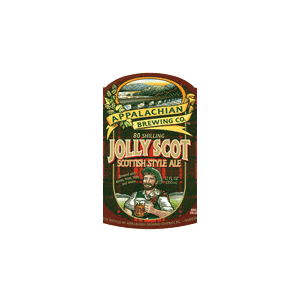
Appalachian Brewing Company Jolly Scott Scottish-Style Ale
Check
Check
Abita Brewing Company Abita Wheat
Check
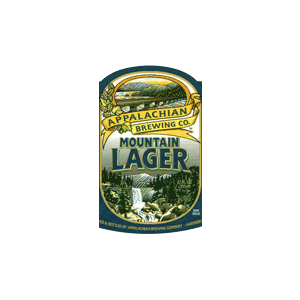
Appalachian Brewing Company Mountain Lager
Check
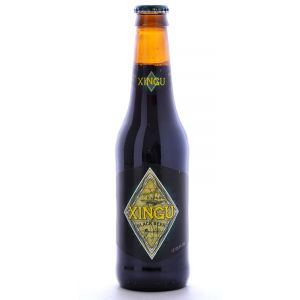
Cervejaria Sul Brasileira (Brazil) Xingu Black Beer
Check
Check
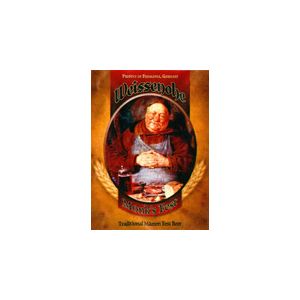
Klosterbrauerei Weissenohe (Germany) Monk’s Fest
Check
Check
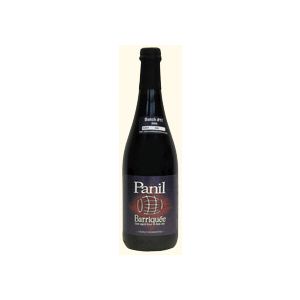
Birrificio Torrechiara (Italy) Panil Barriquée
Check
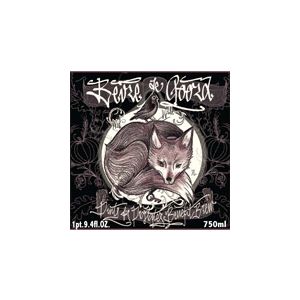
Jolly Pumpkin Artisan Ales (USA) Biere de Goord
Check

DOM = Domestic Beer Club; INT = International Beer Club; VAR = Domestic International Variety Beer Club; RBC = Rare Beer Club

I'm ready toPlace My Order Button

Abita Brewing Company (Abita Springs, LA)

Abita Brewing Company, situated approximately 30 miles north of New Orleans, is the oldest craft brewery in the Southeast and one of the oldest in the United States. At the time of its founding in 1986, we were still very much within the early days of the American craft beer renaissance. Clearly there was an untapped market for better beer in the region, as their product was a hit and in 1994 they moved the main brewery into a larger facility a short way up the road, leaving the original building to become their popular brewpub. Currently Abita is brewing at a pace of 90,000 barrels annually (a far cry from the 1,500 of their first year!).

Despite their growth, Abita still brews each beer in small batches, taking advantage of protected artesian wells so pure that the water is fit for brewing directly from the ground, and is added straight to the brew kettle without any chemical preparation. The local Choctaw Native Americans believed the water to have curative properties, and it was they who named the springs “Abita,” which translates as “healing waters.”

Abita Brewing Company is also notable for their charitable work. Following Hurricanes Katrina and Rita, which spared the brewery any major damage, Abita brewed Restoration Pale Ale to raise money for hurricane relief. One dollar from every six pack sold was donated to the Louisiana Disaster Recovery Foundation, amounting to over half a million dollars. Additionally, $115,000 has been donated to the town of Abita Springs to expand and revitalize the historic Tourist Park in the town’s center. To celebrate Abita’s 20 year anniversary in 2006, the brewery threw a massive party; thousands attended and $20,000 was raised to benefit the Louisiana Restaurant Association’s Employee Relief Fund, which is dedicated to helping displaced food service workers return to their homes and their jobs.

For more information about the brewery, brewpub and/or scheduled tours, call (985) 893-3143.

Abita Turbodog

Abita TurbodogThis canine-themed brew is no mutt. It was originally crafted as a specialty beer (a purebred if you will) to celebrate the company's fourth birthday back in 1990. It met with such enthusiasm that it quickly entered Abita's series of five flagship brews. Turbodog pours a very dark, rich, brown color with a voluminous tan head from an aggressive pour. Look for a chocolaty malt presence to be quite forward on the nose, with a caramel aroma and sweetness counterbalanced by roasty notes. Aromas of coffee grounds and cocoa powder make an appearance, along with light impressions of scorched teriyaki sauce, burnt sugar, and a pleasant nuttiness. Toasty chocolate flavors come through on the palate with mild to moderate toffee, light and herbal hop notes, a hint of fruit that comes with warmth, and a nutty flavor in the finish. Overall, a full-flavored, medium-bodied, malt-focused beer that will play best friend to braised lamb, marinated first for a couple hours in this beer.

Serving Temperature: 43-50°F
Alcohol by Volume: 5.5%
Int’l Bittering Units (IBUs): 28
Suggested Glassware: Pint Glass or Mug
Malts: Pale, Caramel, Chocolate
Hops: Willamette

Abita Wheat

Abita WheatAbita Wheat is a very unusual brew as it separates itself from the multitude of other wheat ales by actually being a wheat lager. Brewing Abita Wheat as a lager ensures a very clean and refreshing crispness that’s perfect for the warmer days of the year. On the pour, expect a pale golden color with a very bright white head. Typical of wheat beers, there’s a haziness to the color, and as you take a sniff you’ll notice the distinct twang of wheat malt. Also apparent is a lightly sweet cereal grain aroma not unlike Cheerios, and as you swirl the glass the wheat notes amplify along with a light hay-like impression, a faintly minty, grassy hop quality, and an impression of fresh soil. On the palate, the malt sweetness and hop bitterness are both mild, but perfectly balanced, and the flavor profile is very grain-forward, intensifying at the finish. Brewed annually as a summer seasonal to be supremely drinkable, refreshing, and light, Abita Wheat hits the target spot on.

Serving Temperature: 42-48°F
Alcohol by Volume: 4.2%
Int’l Bittering Units (IBUs): 15
Suggested Glassware: Weizen or Pint Glass
Malts: Pilsner, White Wheat
Hops: Apollo, German Perle

Appalachian Brewing Company (Harrisburg, PA)

The brewing industry of Harrisburg, PA goes back to the eighteenth century, and at one time it was the source for much of the region’s beer. That all came to an end with Prohibition, which destroyed most of the area’s breweries. In 1951, the city’s last surviving brewer, Graupner’s Brewery, finally closed its doors and went out of business. Forty-six thirsty years passed without a brewery, until Appalachian Brewing Company opened in 1997.

The Appalachian Brewing Company (ABC) is located within an historic building dating to about 1915. Over the years, the three-story brick and heavy timber building has seen use as a home for Auchenbach Printing Company, the Depression-era Works Project Administration, airplane part manufacturing, and building material and auto parts storage. Unfortunately a major fire in 1993 devastated the building, but it was given a new lease on life just two years later when ABC began restoration of the structure to house their new brewery. The whole inside was sandblasted, miles of old and degraded plumbing and wiring were replaced, and all wood and steel structural beams and flooring were reconditioned. The result was a beautiful rebirth for the building, and a rebirth of the brewing industry of Harrisburg.

Appalachian’s first batch of beer rolled out in February of 1997, and was a quick success. At 50,000 square feet, ABC is one of the country’s largest microbreweries, and features the second-floor Abbey Bar, where you can stop in to have a pint of any of their excellent microbrews, or any of fifty impressive Belgian beers in bottles and on draught. ABC also owns two other brewpub locations: one in Gettysburg, at the crest of Seminary Ridge, and another in Camp Hill, on the west bank of the Susquehanna River.

For more information about the brewery, brewpubs and/or scheduled tours, call (717) 221-1080.

Jolly Scott Scottish Style Ale

Jolly Scott Scottish Style AleNamed after one of the old Graupner Brewery’s most loved ales, Jolly Scot pours a clear, deep chestnut color with reddish tinges, with a moderately-sized head that drops to a persistent collar. Note the “80 shilling” reference on the label – this is in homage to the now-obsolete method of classifying Scottish ales by the amount of tax levied on a hogshead of it. 80 shilling would be considered rather heavy, so we were not the least bit surprised at the big malt profile that jumped out of the glass upon olfactory inspection. The malt is definitely the star of the show, which is right on for the style, with a crisp sweetness, toasty and smoky notes, and a subdued hop aroma that adds a pleasant grassy, spicy note atop the malt. As you take a sip, look for Jolly Scot to open with a fruity note and a wide, robust and toasty maltiness that explodes on the midpalate. There’s an excellent balance to the flavor profile, with a mild to moderate residual sweetness and a light bitterness. Look for caramel malt undertones with a smoky/peaty flavor, and slight hints of alcohol. Warmth really opens up the aroma and flavor profile, with the smokiness intensifying as the beer comes up in temperature. We found Jolly Scot to be medium to full bodied with a round, smooth, and lightly creamy feel and light carbonation – well done!

Serving Temperature: 45-50°F
Alcohol by Volume: 5.32%
Int’l Bittering Units (IBUs): 18.2
Suggested Glassware: Pint Glass or Mug
Malts: 2 Row, Vienna, Caramalt, Crystal, Wheat, Munich, Flaked
Hops: Willamette, Hallertau

Mountain Lager

Mountain LagerMountain Lager pours a clear golden color with a white head and a persistent collar. On the nose, the Vienna and Munich malts lend a pleasant maltiness to the aroma with a nice hint at a touch of residual sweetness. Some light fruity notes are apparent, along with a delightfully spicy noble hop aroma. A swirl of the glass easily conjures more foam and an amplified grassy and lemony hop note. As you take a sip, look for a light biscuity, bready flavor, with impressions of fresh grape pulp merged with a hint of lemon. Very nice malt characteristics offer much more depth of flavor than many lighter lagers, with a subtle but distinct fruity note that appears briefly on the midpalate in harmony with the bready quality that builds during the fade. Hops are subdued, with only a touch of bitterness, allowing the very pleasant, but not overpowering, malt flavors to shine. Brewed to the Dortmunder style (think of a maltier pilsner, but without approaching marzen territory), we found Mountain Lager to be a superb session beer offering exceptional smoothness with a light-to-medium body.

Serving Temperature: 40-45°F
Alcohol by Volume: 4.92%
Int’l Bittering Units (IBUs): 12.3
Suggested Glassware: Pilsner Glass
Malts: 2 Row, Vienna, Munich
Hops: Tettnang, Hallertau

Cervejaria Sul Brasileira (Brewery of Brazil)—Parana D'Oeste, Brazil (Southwestern Brazil)

It’s likely that craft beer is not the first thing that comes to mind when you think of Brazil, but after sampling the famed Xingu Black Beer (pronounced “shin-goo”) you’ll rethink this Portuguese-speaking country’s potential for high quality brewing. We’re actually quite excited to see a burgeoning craft beer scene developing in South America, including the excellent Eisenbahn beers we’ve featured before (also from Brazil), so we’re hoping to see more and more excellent brews from our southerly neighbors in the coming years.

The story of Xingu Black Beer begins in 1986 when five women from Vermont founded Amazon, Inc. (no, not the online retailer!) in an effort to prevent the extinction of some of the world’s most rare beer styles. These beer lovers hired Alan Eames, a beer historian and anthropologist widely considered the “Indiana Jones of Beer,” to attempt to identify and locate native examples of rich, dark beers from around the world. Western records of black beer being brewed by native Amazonians dates as far back as the year 1557. Many Amazonian peoples considered black beer to be of great spiritual importance in their social and religious rituals. Thus, naturally the hunt for traditional Amazonian black beer would begin in Brazil, where Alan and his then-wife and president of Amazon, Inc., Anne Latchis, knew the history of native female brewers who fermented grains and roots into black beer, using herbs and bark to bitter the brew. After their successful expedition, the pair teamed up with Brazilian Cesario Mello Franco who identified a willing brewer to finalize the recipe for the black beer and begin production.

A successful marriage of native Brazilian and European cultures, Xingu is named after a tributary of the Amazon that was home to the indigenous tribes who first brewed the original black beers. The unique Xingu label was created by artist Eric Green, and depicts a map of the Xingu tributary area, along with a Txucahamei warrior, a caiman, and anacondas along the border.

We all owe a debt of gratitude to Alan Eames for his dedication, particularly when one considers the difficult and dangerous areas he traveled through in search of this traditional and unusual beer. Unfortunately Alan unexpectedly passed away in February of 2007 at the young age of 59. During his life he contributed much to our understanding of the history of beer and its place in ancient cultures – including such things as the discovery of the world’s oldest beer advertisement, dating to 4,000 B.C. in Mesopotamia, and the significant role of women in brewing throughout history. A dedicated advocate of better beer, Eames owned a store that offered essentially the finest selection of beer at the time in Massachusetts, and he also began a few well-known pubs on the East-coast. So let’s all raise our pints, steins, mugs, and tulips in memory of Alan and his contribution to our culture of better beer and historical understanding of brewing. Prost!

Xingu Black Beer

Xingu Black BeerWhen you pour this beer you’ll see we ain’t lyin’ – this is one black beer. But Xingu is not to be confused with the German style of black beer known as Schwarzbier; this is an entirely different species and is quite unusual. On the nose, there are not the big roasty notes one expects from such a dark brew. Instead there’s an impressive complexity including sweetness akin to treacle (which is like a heavy, almost medicinal molasses), notes of anise, and a raisin-like dark fruit quality. In the mouth, Xingu continues to announce its uniqueness. Upfront, the moderate level of residual sweetness is the first to be noticed, and as you swish it around an astonishing and quite rich array of flavors burst forth including treacle, raisins, blackcurrants (cassis), rum, caramel, cola, and anise. Xingu was rated by the Beverage Tasting Institute as "Outstanding" with a tremendous 91 points. As they put it, "in two words: black silk," and we agree – this is one smooth operator. We think it pairs well with Latin American dark meat dishes, as well as pumpernickel & pastrami sandwiches, served with a dill pickle. Also a surefire winner with a dark, leathery, chocolate-heavy maduro cigar. Interested in supplementing your beer explorations with some world class stogies? We've got plenty of them. In fact, each month, we feature 5 premium hand-rolled cigars in our Premium Cigar of the Month Club—which, like our Beer of the Month Clubs, runs cigars of various different styles and flavors. A beer in one hand and a fine stogie in the other—come on now, what could be better? Visit us at www.cigarmonthclub.com and get a subscription for yourself or a friend. You won't be disappointed.

Serving Temperature: 45-50° F
Alcohol by Volume: 4.7%
Suggested Glassware: Pint Glass, Stein or Oversized Wine Glass

Klosterbrauerei Weissenohe—Weissenohe, Franconia, Germany

Those of you who’ve ever held a bottle of one of the fine Weihenstephaner beers have no doubt noticed their claim on the label of being the oldest brewery in the world, dating back to 1040. Well, Weissenohe may not be able to beat that, but they can come damn close. In 1050, a monastery was established by Benedictine monks along a pretty stream running through the verdant hillsides of Franconia. The monks, who immediately began production of beer, named their new home “Weissenohe,” which translates as “along the white stream” and is in reference to the large amount of limestone that flows down from the chalky hills and into the waters that pass the monastery – making for excellent beer, as it turns out.

As monastic life became less and less popular in Europe throughout the centuries, most monasteries were sold off to private families. For Weissenohe, it was the Winkler family who took over the monastery and grounds in 1803. For the last two centuries, the Winklers have maintained the chapel (which still holds services) and the brewery, and have added an inn and restaurant for traveling beer lovers.

The long line of Winkler family brewers is currently represented by Urban Winkler, who continues to embrace the traditional brewing methods that have been passed down to him through the centuries. Naturally, the Reinheitsgebot (Bavarian beer purity law of 1516) is followed, and Urban continues to use the time- and labor-intensive double decoction mashing technique in which grain is removed from the mash tun, boiled, and returned to the tun to raise the mash to the proper temperature for the enzymatic conversion of grain starches to sugars. This technique, while only rarely observed in Bavaria today, is testament to Weissenohe’s dedication to keeping alive traditional techniques while the rest of the world largely forgets. It’s a treat for us to bring you such a truly handcrafted beer.

If you can read German and would like to know more, check out their website at www.klosterbrauerei-weissenohe.de.

Monk’s Fest

Monk’s FestMonk’s Fest is a Märzen, also known as an Oktoberfestbier, or simply Festbier. Named after the German name for the month of March (März) in which it was traditionally brewed, it was made to withstand the hot summer months (when brewing was difficult, if not impossible, due to the threat of bacterial infection), and was the traditional brew enjoyed at the Oktoberfest celebration. A beautiful clear, rich, amber brew, Weissenohe Monk’s Fest offers up big, bready malt aromas much like the interior of a soft, freshly baked loaf. Look for some toasted cracker-like notes as well, with a very mild hop profile that brings a lightly earthy, spicy impression over top the malts. On the palate, the richness of toasted grain is the star of the show, lending a breadcrust-like flavor that’s joined by a distinctly nutty character. Hints of toffee and caramel come through on the midpalate while some fruity notes try to peak through as well, and a very low level hop bitterness provides a light counterpoint. With a beer this bready, one might expect a chewy full body, but Monk’s Fest remains light and refreshing on the palate without being thin and watery – just the qualities we like to see in a good Oktoberfest beer. Happy celebrating – Prost!!

Serving Temperature: 45-50° F
Alcohol by Volume: 5.0%
Suggested Glassware: Stein, Mug, or Pint Glass

Birrificio Torrechiara (aka Panil Birra Artigianale) —Torrechiara, Italy (Northern Italy, just south of Parma)

By now you’ve probably heard about the growth in craft beer in Italy. Perhaps it’s the headline grabbing news from a country so well known for its wines that’s made this such a surprising story. Maybe it’s simply the novelty of ‘Italian beer’, something that was essentially oxymoronic until fairly recently, especially in the context of a craft beer selection (though strangely appropriate perhaps for a “Rare” beer club). We think the best part of this story is the fact that it demonstrates quite clearly that craft brewing is alive and well—enough so that wine nations like Italy and France are experiencing a beer brewing renaissance and creating some world class beers.

For years, if you were looking for Italian beer in the US, you’d be limited to a somewhat bland set of a few pale lagers from a handful of Italian brewers. In fact, since our original Beer of the Month Club launched back in 1994, we’ve not found a single Italian beer worthy of inclusion (and available in the US). Over the decade, the quality has improved dramatically, and brewery numbers have exploded to 200, though access has not, until very recently, made it possible to bring Italian beers into the fold in a manner consistent with our quality standards. But nowadays, there are more high quality Italian craft beers making it to finer beer establishments in the US, and using our beer combing skills, we’ve lined up one of the most unique for you from a brewery that embodies the Italian beer renaissance wholeheartedly.

Birrificio Torrechiara (aka Panil Birra Artigianale), located just south of Parma in Northern Italy, demonstrates the change in attitude toward beer in Italy very clearly. Since the 1930s, four generations of the Losi family have produced Lambrusco-style wine at their family-owned winery. In 2001, Lorenzo (Renzo) Losi persuaded his father to let him put his homebrewing talents to work, producing some game-changing beers under the name Panil. Today, Renzo produces more beer under the Panil label than wine. His philosophy is to produce beer naturally, absent any sort of chemical preservatives, pasteurization or filtration, permitting in his beer the most authentic, natural flavors and preventing the “industrialization” that has struck even traditional producers who send their libations to the US market.

In short order, Renzo moved from only stainless steel fermentation to the barrel. Panil Barriquée (from the French word for ‘barrel’) was his first to be fermented in wood, employing cognac barrels. According to Renzo, he is the first Italian brewer in modern times to use barrel fermentation; it’s an important move that brings “new tastes, or rather, the recovery of ancient tastes, [the] woody, winey [notes], are absolutely to be recovered,” according to Renzo. The result is an interpretation of Flemish Red Ale brewed in the style of Rodenbach that has earned critical acclaim as a truly remarkable beer; it does not employ added sugars to make the beer more palatable for the masses in the US market, staying appropriately dry and keeping things au naturel, avoiding pasteurization which would kill the living, wild yeast in the bottle. This is perhaps the most authentic version of the style available from Europe, yet it comes from Italy, not the Netherlands or Belgian Flanders, from where the style originates. Redefining the style? Perhaps. Redefining Italian beer? Definitely. Enjoy this rare treat. Salute!

Panil Barriquée

Panil BarriquéePanil Barriquée is fermented three times; once in stainless steel, then for 3 months in used Bordeaux and Cognac barrels, and finally, in the very bottle you now have. It pours a dark, clear amber with garnet hues when held to light. A medium beige head begins thick and fades to an everlasting collar and covering. Expect a vibrant, vinegar-like acidity to strike the nose; one gets the immediate sensation that tartness is on the horizon. There are some notes of fresh asparagus (don’t worry, in this beer, it’s actually quite nice), and super unripe peaches come to mind, as do SweeTarts candy, oak, faint impressions of smoke, and some pickled spices. In the flavor, tartness comes through on the palate, but it’s not a puckering tartness, just a nice wake up call to the taste buds. There are some notes of biscuits in the malt backbone, with fruity, vinous qualities (think Chianti), black raspberries, suggestions of cloves, and some spicy plum notes. It’s not surprising that this beer is remarkably wine like, given its Italian home. A wonderful complexity comes from the cognac barrel aging, and this imparts, as you might imagine, some subtle notes of cognac. As it warms, distinct notes of kaffir limes emerge, supplemented by flashes of cherry and green apples. Giving a good swirl conjures up notes of musty oranges. Finishes with a complex interplay between bitterness (very faint hops) and sourness, with a wine-like flourish of grapes, acidity and other vinous notes characteristic of malolactic fermentation. Worth noticing are the subtypes of sourness from the acids—both lactic (sour) and acetic (vinegary) notes present. Look also for a ghostlike impression of stiff liquor in the way of mild vanilla notes and dry woody oak character. Each batch of this beer is unique—thanks to the wild yeast and barrel aging, but the quality is extremely consistent—we’ve had vintages from 2007, 2008 and 2009 and all are quite nice. Aging is a sure thing with this beer; we’ve sampled bottles that were 3 years old and they remain refined, with the acidity mellowing a bit over time. A true to style sour ale, this is an unpasteurized, raw, truly important conservatorium of wild yeast and tradition! Try pairing with other local specialties such as sliced Parmesan cheese or prosciutto, or a garden salad dressed with Balsamic vinegar and olive oil.

Serving Temperature: 45-50° F
Alcohol by Volume: 8.0%
Style: Oak-aged Sour Red Ale
Suggested Glassware: Flute, Tulip or Snifter

Jolly Pumpkin Artisan Ales—Dexter, Michigan, USA

The Rare Beer of the Month Club is extremely pleased to bring you this truly one-of-a-kind beer brewed by Jolly Pumpkin Artisan Ales. Not only is the beer a one-off, single-batch brew which, once gone, will be gone forever, and, not only is membership in this club just about the only way to get it (other than a couple cases at a Denver rare beer tasting and a couple kegs onsite at Jolly Pumpkin), it supports more than one good cause: prostate cancer awareness, and, craft-brewed beer. Clearly, as a member of the club, you regularly support and advocate for the latter. But this month you can add prostate cancer awareness to your philanthropy.

According to the National Cancer Institute, prostate cancer will kill more than 32,000 men in America in 2010. Few people realize that there will be 218,000 prostate cancer cases diagnosed this year, 25,000 more than the number of new breast cancer cases. But with early detection and proper treatment, prostate cancer has a survival rate of nearly 100 percent. Clearly, these sorts of statistics scream that awareness and early detection are critical.

As a better beer fan, you may be familiar with the writings of Rick Lyke. As a drinks journalist, he’s written regularly for All About Beer magazine and contributes to various other publications, including DRAFT, on all things beer, wine and spirits. His blog, Lyke2Drink.com, is another great daily read—fun and informative. Now, it’s easy to think that those of us who write about beer have it easy and that somehow we operate outside the confines of “the real world.” It’s not an entirely accurate appraisal, still, Rick did get a frightening reality check a few years back. At the urging of a good friend who had previously been diagnosed with prostate cancer, Rick saw his primary care physician to get tested. The doc told him he didn’t need a PSA test until age 50 (he was 47) and since he presented with no symptoms and did not have an enlarged prostate, that there was simply no need for the test. Rick pressed to have it performed anyway, even though insurance wouldn’t cover it. That $75 test caught the cancer early, led Rick to have surgery, and saved his life.

Realizing the general lack of awareness, and the fact that guys typically avoid talking about their health, Rick created the Pints for Prostates campaign in 2008 to reach men through the universal language of beer with an important health message: silence on this issue is costing men their lives. Get aware, get talking, and if you’re over 40, get tested.

As a nonprofit campaign, Pints for Prostates gets the word out in various online and print publications, and supports various activities to fundraise for the Us TOO International Prostate Cancer Education and Support Network, a 501(c)3 charity that works to support, educate and advocate for men with prostate cancer and their families. One of those activities was partnering with the renowned Ron Jeffries of Jolly Pumpkin Artisan Ales, The Rare Beer Club, and beer distributors (and importers extraordinaire) Shelton Brothers to create a rare, one-of-a-kind beer to be featured in The Rare Beer Club and at a Rare Beer Tasting this September in honor of National Prostate Cancer Awareness Month. The beer features the Pints for Prostates logo on its label, which includes the blue ribbon to remind people of the ongoing search for a cure. A donation of $3 from every 750 milliliter bottle of Biere de Goord sold will be made to the Pints for Prostates campaign.

The recipe was developed by Jolly Pumpkin. Speaking about the project, President & Brewmaster Ron Jeffries said “At Jolly Pumpkin we are super excited to be involved in this project.  We were flattered and honored when we were asked to come up with a special beer to help raise awareness of the Pints for Prostates campaign. It gave us the chance to stretch our collective imaginations and come up with a saison that not only tastes fantastic, but is full of ingredients rich in lycopene [and other antioxidants]. While we can make no health claims about Biere de Goord, we wanted to use the project to do a little education for men about some of the foods that contain [antioxidants such as] lycopene, which many researchers point to as being essential for prostate health.”

We couldn’t think of a better place to develop this intriguing recipe featuring antioxidant rich ingredients such as pumpkin, pumpkin seeds, kale, green tea and peppercorns. Set foot inside their small brewery and not only will you find shiny brewing equipment, you’ll encounter row upon row of wooden barrels in which beer of various ages, blends and funk-levels is maturing. The brewery performs barrel aging on ALL of its beers. The time, labor and expense required to age every ounce of beer they make in traditional wooden barrels, is, some would say, madness. But it’s what breeds their awesome array of truly distinctive beers. Well, that and open fermentation, meaning the yeast are left to work their magic in a container that’s left wide open—instead of being inside a closed stainless steel tank. This means that any wild yeast floating about in the air can get into the beer and apply a bit of their own “natural funk” to the flavor of the beer.

The results are truly something special—so we’ll let you get to it. Raise a glass of beer to your health and really mean it!  Check out www.jollypumpkin.com for more information about this impressive little brewery from Michigan, including what’s behind their unusual name.

Visit www.PintsForProstates.com to learn more about their important campaign and their ongoing activities (lots of good beer events to attend!).

And do pay a visit to our partners in philanthropy, Shelton Brothers, who have donated their services and profits to this effort. They’re distributing some of the best beers in the world and are playing an active role in improving the quality of beer available in the US today, regularly selecting rare beers and even sole survivors within traditional styles on the verge of extinction: www.sheltonbrothers.com.

Biere de Goord

Biere de GoordWell first off, you gotta love the name (not to mention the cause). Brewed as a Saison, we’ll excuse the name’s stylistic incursion into French farmhouse ale territory because it’s basically genius—the beer is brewed with pumpkins and pumpkin seeds, hence the Goord reference (a clever take on Biere de Garde). A beautiful beer—almost sunny with butterscotch hues—and a very inviting nose (we expect nothing less from Ron Jeffries & Co.). But with the very unusual ingredient list, and references to pumpkins and pumpkin seeds and kale(!), we weren’t sure what to anticipate. It doesn’t smell like what you’d expect from your typical seasonal pumpkin beer. Instead, look for notes of melons (honeydew comes to mind). Offsetting the sweetness comes a small whiff of minerals, like iron, possibly from the kale, but perhaps from the peppercorns. Also look for a distinct note of powdered green tea, wonderfully earthy and just a bit musty. Notes of oranges abound, and there’s even some hoppy grapefruit in the mix. This beer just might have a little something for everyone. And in typical Jolly Pumpkin fashion, there are also plenty of Brettanomyces notes coming through, moderately funky, with a bit more pineapple Brett than hardcore funk in our samples (but this may shift from bottle to bottle with age). Then you take a sip and the trickery of the Jolly Pumpkin emerges. The beer is far less sweet than the nose suggests, in fact, it’s almost shockingly tart upfront, quite like Berliner Weisse, sans syrup, yet far more complex. Notes of unripe cantaloupe, watermelon rind and hefty earthiness develop quickly as the initial pucker fades. Green tea comes through and adds to the earth levels, but also gives a slightly bitter note like you’d get from chewing on fresh tea leaves. We missed the peppercorns entirely at the start, but once we allowed the beer to come up in temperature, they jumped out at us; their influence shows up early in the sip and the sourness dominates them until a little warmth lets the pepper notes blossom a bit. Interestingly, this beer’s prominent tartness is not in the finish—it’s at the start of the flavor profile, and it’s ultimately replaced by a decent level of bitterness, which, along with the Brett, makes for one seriously dry, borderline champagne-like fade. The bitterness is complex and multifaceted; the kale (a bitter green) contributes an almost tannic character to the lingering bitterness, with tettnang, vanguard and styrian goldings hops doing their thing, supplemented by a gruit beer like herbal astringency that grips the palate and hangs on for dear life. Wow!

Hard to imagine a better cause or a more apropos beer to drink this September, being that it is National Prostate Cancer Awareness month. The creativity is impressive (there is no way you’ve ever had a kale and pumpkin seed beer before, we don’t care where you’ve been!) Designed by Los Angeles based tattoo artist Adam B. Forman, the label art is an expression of craftsmanship as well. Forman describes the imagery in his own words: “About the Fox and Bird. I chose these images because of their psychological and symbolic significance to our dear cause. The Fox is an ancient symbol of intellect, spiritual creativity and mischief, this is probably Ron [Jeffries, Jolly Pumpkin’s President and Brewmaster]. The Titmouse bird is symbol of great resourcefulness and bravery in the face of danger, there is an R.W. Emerson poem about the titmouse being the ‘antidote of fear’ and I thought this would be an appropriate companion to our friend fox. This is why the words ‘Wit’ and ‘Will’ [are] written above our heroes, sort of a motto for us to stand by and definitely appropriate to the pirate ship we call Jolly Pumpkin.”

We spoke to Ron Jeffries about what to expect as this very rare, one-batch only beer ages. He explained that as a matter of personal taste, he enjoys this and many other sour beers on the fresher side. Biere de Goord was allowed to mature for quite a while in their famous, buggy, almost magical oak barrels, so it’s already grown up in funk and tartness levels quite a bit when it hits the bottle. For about the first six-to-eight months, the funky, dry Brettanomyces character of this beer can be expected to grow, however, in an almost paradoxical phenomenon seen in many funky brews, secondary oxidation will eventually set in around the 12-month+ mark, somehow giving the impression of enhanced sweetness. The beer will hold up beyond a year for sure, but for maximum sourness impact, crack your bottles in under 8-months. If you enjoy the subtle candied character that develops with deeper oxidation, check back in 12-to-18 months down the line.

Serving Temperature: 45-50° F
Alcohol by Volume: 7.0% (approximate)
Style: Oaked, Spiced, Sour Saison
Suggested Glassware: Goblet or Tulip

I'm ready toPlace My Order Button

C&H Internationals Logo Since 1994
Join Our Club
Gift Memberships

Membership Renewals
Reorders
Home Page
More Information
Current Selections
Past Selections
Testimonials
Other Gourmet Clubs
Corporate Gifts
Wedding Gifts
Brewery Search
Style Guide
Beer Fun Section
Industry Resources
Festivals
Print a Gift Card
Send a Virtual Brew
Refer a Friend
Send a Hint
E-Promos
Contact Us
Link to Us

1 - 800 - 625 - 8238
(Outside US call: 949-206-1904)
P.O. Box 1627, Lake Forest, CA 92609