The Microbrewed Beer of the Month Club

Cooking With Beer Recipe Library

Introduction to Cooking with Beer

By Jay Harlow

One of the most basic roles of beer, at the table or apart from it, is simple refreshment -"wetting the whistle." Because beer is about 95 % water, most of what it does is satisfy thirst. The complex of ingredients that makes up the other five percent makes all the difference in how a given beer goes with given foods.

Devil Mountain Flapjacks Bratwurst Au Frankenmuth
Brewhouse Steak Rub


Barbecued Bader-Bits
Pale Ale with Cheese Spread
Herbed Mussels or Clams
Herbed Butter
Zonker Ice Cream
Slickrock Eggplant Pasta


White Cloud Smoky Salmon
Hot Oktoberfest Potato Salad
Dock Street Beer & Seafood Fest
Baked Crabmeat Legacy (appetizer)

Hibernator Gorgonzola Cheese Soup
Firestone Lamb & Black Bean Chili
Avocado with Salsa
Rogue Ale Brewed Chili
Lost Planet Scandinavian Beef Stew


TrailBlazer Mousse
Stone Mountain Trout
Grilled Igloo Eggplant with Tamarind Beer Sauce
Tamarind Beer Syrup


Mother's Airship Ponderosa Ale & Egg Bread
Ellie's Beer-Becued Pork Ribs

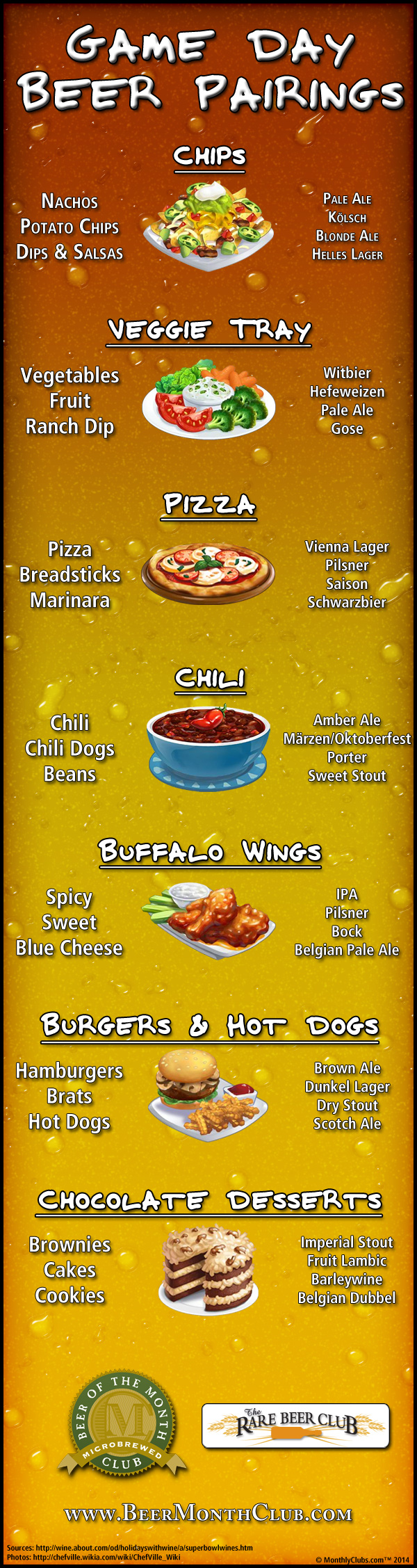
There are many reasons why certain foods taste good with beer, and why certain combinations taste better than others. When analyzing why a particular cooking dish or a particular combination of foods (including beverages) works, I always come back to the balancing Five Flavors identified by the Chinese thousands of years ago: sweet, sour, salty, bitter, and hot (pungent). Not every cooking dish needs to contain every element, but when one of these flavors completely dominates a meal, or is missing altogether, the overall balance suffers. In the five-flavor formula, beer mostly offers bitterness and sweetness; occasionally it adds acidity. Just how bitter and how sweet a given beer is determines its food affinities. When it comes down to matching beer and food, grouping beers by their overall flavor makes more sense than categorizing them a lager or ale, or by color, or along national boundaries.

One aspect of the flavor of beer is actually tactile rather than pure taste. The bitter astringency of hops, like tannin in red wines, is a perfect way to cut through the effect of fats on the palate. Without such a foil, rich foods such as beef, pork, duck, or cheese would quickly become heavy. A sip of a well-hopped ale or lager rinses away the fatty film and sets up the taste buds for more.

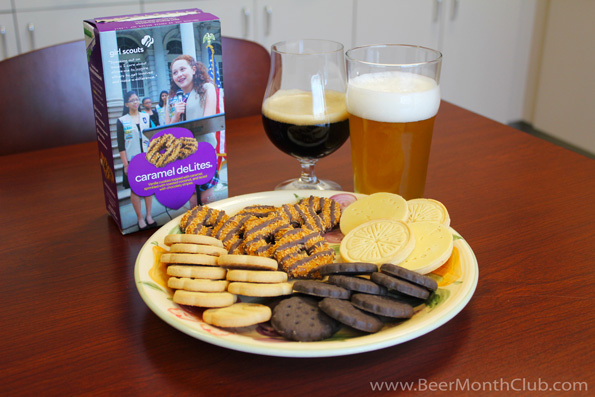
Texture can be as important as flavor in choosing foods to accompany your favorite beer. Let's face it, beer by itself doesn't offer much in the way of texture (apart from the thickest Stouts, which are almost chewy in their mouth-filling qualities.) A beer needs something firmer to go with it, whether it's the crunch of chips or pickles, the chewy texture of home-baked pretzels or crusty bread, or the crackle of fried shellfish or vegetables. Imagine having a just a bowl of creamy soup with your beer; it doesn't quite make it. But leave some of the vegetables in large, firm pieces, or better yet add some crisp croutons or crackers, and it works.

Don't, however, make the mistake of assuming that beer belongs in every dish, or that more is necessarily better. What it all boils down to (pun intended) is that cooking with beer concentrates its natural flavors. As the water and alcohol evaporate, most of the other flavors remain, so a sweet beer becomes sweeter and a tart or bitter beer becomes more so.

Bitterness is the element to watch most carefully. Perhaps it would help to think of beer as a liquid extract of a distinctively flavored herb (hops) that has a strong bitter dimension. Use it with discretion as you would use other assertive herbs. This is not to say that highly hopped beers have no place in the kitchen. Guinness Extra Stout is no slouch in the bitterness department, but dark-roasted malt gives it a balancing richness that carries through cooking. Keep sweetness in mind as well. A beer that is noticeably sweet in the glass will become more so cooked, and is probably best used in desserts.

When beer is going to be an integral part of at finished sauce, be sure to allow enough time for the flavors to blend. Stews, soups, and other long-cooked dishes made with beer work better than quick sauces make by deglazing a skillet. Often a more important question than how to integrate beer into a given dish is whether to use beer in it at all. There is no reason to assume that every dish that goes with beer should include beer as an ingredient. Ask yourself if a slight to pronounced malty flavor would improve the dish, and if the accompanying touch of bitterness and/or sweetness would work with the existing balance of flavors. If not, don't waste good beer - drink it instead!


Beer Recipes and Food Ideas

C&H Internationals Logo Since 1994
Join Our Club
Gift Memberships

Membership Renewals
Reorders
Home Page
More Information
Current Selections
Past Selections
Testimonials
Other Gourmet Clubs
Corporate Gifts
Wedding Gifts
Brewery Search
Style Guide
Beer Fun Section
Industry Resources
Festivals
Print a Gift Card
Send a Virtual Brew
Refer a Friend
Send a Hint
E-Promos
Contact Us
Link to Us

1 - 800 - 625 - 8238
(Outside US call: 949-206-1904)
P.O. Box 1627, Lake Forest, CA 92609