The Microbrewed Beer of the Month Club

Past Newsletters

February 2008

Brewery
Beers Featured
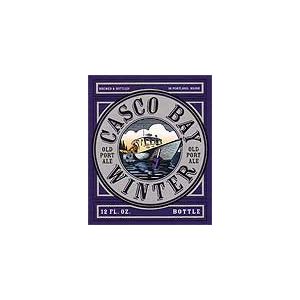
Casco Bay Brewing Company Casco Bay Winter Ale
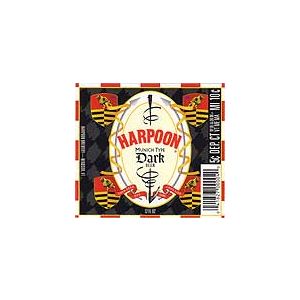
The Harpoon Brewery Harpoon Munich Dark
Casco Bay Brewing Company Casco Bay Riptide Red Ale
Santa Fe Brewing Company Nut Brown Ale
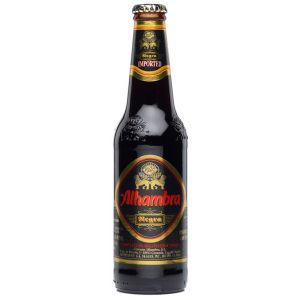
Grupo Cervezas Alhambra (Spain) Alhambra Negra
Coopers Brewery Limited (Australia) Coopers Best Extra Stout

Casco Bay Brewing Company

The Casco Bay Brewing Company opened on Maine's Portland coast in the spring of 1994. An inspirational bit of trivia: one of their part time bottlers eventually became owner, president and brewmaster. No kidding! In early 1995, Bryan Smith came aboard a few hours a week to help bottle beer, but it seemed that he had bigger plans in mind. Within five months, Smith had worked his way up to brewer. Pretty impressive… In September of 1997, Smith left the brewery temporarily to beef up his brewing chops by attending the American Brewers Guild brewing school at UC Davis.

In January 1998, Bryan and two others bought out half of the original ownership team, with Bryan taking over all brewing operations. Four years later, in March of 2002, the three bought out the remaining half of the original ownership pair. Since then, the new team has been hard at work keeping up with demand, streamlining production and enhancing their now famous line of signature ales and lagers.

For more information about the brewery and scheduled tours, call (207) 797-2020 or check out their web site at www.cascobaybrewing.com.

Casco Bay Winter Ale (Old Port Ale)

Casco Bay Winter Ale (Old Port Ale)As you might imagine, Maine is a great place to source a hearty, well-made, wintertime brew. Expect resinous hop notes, quite like candied orange peel, with a smack of cherries. On the palate, moderate bitterness grows in intensity as the finish approaches, with prominent citrus notes appearing in between. Look for notes of dark fruits—not quite plum, not entirely cherry, but somewhere between the two. Finishes with a warming, scotch-like note. Try pairing with chocolate-coated figs.

Serving Temperature: 45-52° F
Int'l Bittering Units: 34.0
Alcohol by Volume: 6.5%
Suggested Glassware: Oversized Wine Glass
Malts: 2-Row Pale, Caramunich II, Chocolate, Wheat, Castle Aromatic
Hops: Cascade

Casco Bay Riptide Red Ale

Casco Bay's Riptide Red Ale is one of the best domestic Irish Red Ales, a fact acknowledged at the 2000 World Beer Cup when they won the Gold Medal for the style. It's brewed using a top-fermenting ale yeast, but conditioned for an extended period of time at cold temperatures (like a lager), yielding an ale that is very clean & crisp, with the complexity and robustness of an ale. Expect creamy, earthy malts and citrus-herbal hops on the nose. As it warms, look for a touch of mustiness from the yeast and the slightest hint of peach. The malt backbone has a toasty, nearly nutty caramel character with enough bitterness from the hops to prevent the hearty malt content from running too sweet. A touch of chocolate manifests very late in the finish. Try with fresh green grapes. Also works nicely with orange chicken over fried rice.

Serving Temperature: 40-45° F
Int'l Bittering Units: 44.0
Alcohol by Volume: 4.75%
Suggested Glassware: Pint Glass
Malts: 2-row Pale, Crystal, Caramunich, Chocolate, L. Munich
Hops: Cluster, Hallertau

The Harpoon Brewery

The Harpoon Brewery debuted on the Boston waterfront in 1986—quite early in the U.S. microbrew renaissance. Before starting the brewery, the founding team traveled throughout Europe in search of various beer and brewery styles upon which they would model their own ("product research" we think they called it).

The Harpoon Brewery has always been focused on positively impacting their local community. This is an important component of the brewery and pub lifestyle that they witnessed while experiencing European traditions abroad. As they say on their website, "we learned to appreciate how much local brewers meant to their communities. They were not just manufacturers of a product; they were part of the social fabric. [Before starting the brewery] we asked each other, 'Why not do that in New England?'" The result of this initial desire has won them overwhelming approval from the locals and beyond—in fact, in 2000 they purchased a second brewery in Windsor, Vermont to keep up with demand (which is where the Munich Dark we're featuring was brewed).

For more information about the brewery or scheduled tours, call 888-HARPOON, or visit their website at www.harpoonbrewery.com.

Harpoon Munich Dark

Harpoon Munich DarkExpect a robust aroma featuring notes of chocolate, dough, toffee/caramel, hoppy pepperiness, and some floral flourishes with hints of plum. The mouthfeel is perfect for the style (Munchen Dunkel): not too thin, not too heavy. Look for flavors of chocolate and a bit of espresso (though restrained and not overly bitter). Hop influence is obvious, supplying a light bite, but is offset by a complex blend of sweeter flavors. Develops nutty notes toward the finish. Overall, we found this beer to be complex, dry and full of rich flavors. Pick up some pumpernickel & onion pretzels for a quick and easy pairing.

Serving Temperature: 43-50° F
Int'l Bittering Units: 35.0
Alcohol by Volume: 5.5%
Suggested Glassware: Pint Glass or Stein
Malts: 2-Row Pale, Caramel, Carapils, Chocolate
Hops: Willamette

Santa Fe Brewing Company

The history of the Santa Fe Brewing Company dates back to at least 1892, when a brewery was first incorporated under that name. In those days, rapid, reliable transportation of perishable products like beer left a lot to be desired, which meant there were more local breweries (about 4,000 in the U.S. alone) that catered to their own local turf. Santa Fe, New Mexico, was no exception. In those days, the variety of beers brewed was tremendous—something similar to the range being produced by today's microbreweries. Tragically, Prohibition resulted in the vast majority of American breweries being shut down, laying the groundwork for "the dark ages of beer" that followed when Prohibition was repealed in 1933 (despite that dark ages reference, this was the rise of fizzy, pale-yellow, tasteless beer—and consider this: that figure of 4,000+ American breweries fell to a paltry 80 by 1983!)

In 1988 the modern Santa Fe Brewing Company was established. All of their beers are made from hops shipped directly from the grower in Washington state and specialty malts imported from the U.K., without addition of preservatives (other than hops and alcohol, that is). As New Mexico's oldest microbrewery, they've had 20 years to hone their craft-brewed beers. They offer a truly solid lineup of beers and since 2005 have served up tasty grub at the Pub & Grill located next door to the brewery.

For more information about the brewery and their Pub & Grill, check out their web site at www.santafebrewing.com or give them a ring at (505)-424-3333.

Nut Brown Ale

This well-balanced brown presents ample notes of caramel, hints of maple syrup and a lightly spicy nuttiness with hints of caramel-dipped apples. The flavor arc parallels the elements in the nose, with the caramel being less sweet than might be expected given its prominence on the nose, partially due to the balancing dose of bittering hops. Look for the very distinct apple-and-raisin-like quality that ushers in the nutty finish. Pair with sautéed duck served with pan sauce (deglaze with a Belgian witbier, a few pinches of cardamom and a couple splashes of triple sec) and caramelized onions. For something quicker, partner up with a nutty cheese like Colby or Asiago.

Serving Temperature: 40-45° F
Int'l Bittering Units: 16.0
Alcohol by Volume: 5.0%
Suggested Glassware: Pint Glass
Malts: 2-Row Pale, Chocolate, Carastan
Hops: Willamette

Grupo Cervezas Alhambra—Granada, Andalucía Province, Spain (Southern Spain)

The almighty Alhambra is a palace/citadel perched on a hill that overlooks Granada, Spain. The large complex, first constructed in the 13th century, is comprised of royal residential quarters, court complexes, official chambers, world renowned fountains & baths and a mosque. So regarded for its beauty and splendor, the entire city has been declared a national monument. It rests at the foot of Spain's largest mountain outcrop, the Sierra Nevada (coincidence folks? We think not!) Its unique style and continued splendor have made this palace of Granada's Moorish kings an architectural wonder. It is believed, based on ancient inscriptions, that it was built to mirror the descriptions of Paradise in Islamic poetry.

To name a beer after this lair of kings and rulers, this Paradise on the mountain, the brewers at Cervezas Alhambra must have had great passion for their beers. The brewery was founded in 1925 by two accomplished regional brewers, Carlos Bouvard, owner of the famous La Moravia brewery, and Antonio Knorr, member of a family with a long heritage in the brewing industry. Through its 80 year history, controlling ownership of the brewery has changed hands, capacity increased, and equipment modernized. Today known as Grupo Cervezas Alhambra, the brewery is owned by the region's (Andalucía) first independent brewery group, and they have striven to create a unique brand identity for the Alhambra line where beer lovers not only associate these beverages with great taste, but also with great times. Their philosophy revolves around the concept that there are unique occasions and moments that warrant the pairing of exceptional beers to suit those special times. Word is definitely getting out: this is some of Spain's best beer!

For more information about the brewery, check out their website at www.cervezasalhambra.es.

Alhambra Negra

Grupo Cervezas Alhambra NegraNote the Moorish lions on the bottle label, a reminder of the regional heritage from where this beer is produced. This dark brown, reddish-hued lager presents a creamy, nutty nose, with caramel notes and a mild roasted malt character that is all around inviting. Expect a creamy backbone and some slightly roasty, caramel tones, with a distinct note of dark rum. Look for the subtle flavors of anise and black licorice, and enjoy the clean, caramel finish with lingering rum flavors. This dark lager will go down nicely with a variety of smoky, grilled meat dishes such as lamb or beef kebabs.

Serving Temperature: 42-50° F
Alcohol by Volume: 5.4%
Suggested Glassware: Pint Glass or Mug (clear or opaque)

Coopers Brewery Limited—Leabrook, Australia (Southern Australia)

The Coopers Brewery was founded in 1862 just outside Adelaide, Australia, in the town of Leabrook. This respectable outfit is the last stronghold of the historic family-owned breweries on the Australian continent. Thomas Cooper, a Wesleyan preacher from Yorkshire, England, immigrated to southern Australia and founded the brewery at a time when big breweries dominated the local colonies.

His brewing career was initiated much by accident when his ailing wife requested that he make a restorative ale—from an old family recipe—to be used as a tonic. Turns out the ale was well received not only by his wife, but by locals for whom he provided samples. Appreciated for its taste and perceived medicinal attributes, demand grew enough for Thomas Cooper to start his famous brewery, which today remains as the sole independent brewery in Australia to survive the entire 20th century.

Interestingly, as a Wesleyan preacher, Thomas Cooper felt that pubs were sinful places (though he wisely saw no evil in beer—after all, it was the tonic that aided his wife's health). Thus, for most of its history, the brewery owned no pubs, and today they own only one, the Earl of Aberdeen, in the old center of Adelaide. A brewery with no pubs, while commonplace in the US microbrewery revolution, is a very rare scenario for established overseas breweries. This apparent lack of an "automatic market" seems to have been critical in avoiding takeover bids over their history. And we like to believe that Thomas Cooper would have been a fan of our beer of the month clubs for this very reason—no pub necessary to enjoy these fine brews, right?

We're major fans of Coopers and their true-to-style beers. Last time we featured the brewery, back in late 2005, we had reported that they were under threat of losing their long-held independence. A competing brewery (more of a conglomerate actually), had launched a hostile takeover bid. Coopers, while family-run, does have shareholders, and if a majority of them approved the deal, it would have been adios to independence. But we're happy to report that the Coopers family (and their shareholders) were ready for the fight, and they have proudly maintained their independence as a family-owned and operated brewery. Join us in lifting a pint to their continued independence!

For more information about the brewery, check out their website at www.coopers.com.au (and check out their cooking with beer recipes).

Coopers Best Extra Stout

Let's try to dispel some misconceptions about stout. Many people think there's just one type of stout: "Guinness". In fact, there are many variations of the stout style, with Guinness being just one: Irish Dry Stout. Other stout styles include Milk/Cream Stout, Sweet/Tropical Stout, Oatmeal Stout, Oyster Stout, Imperial or Russian Imperial Stout, Foreign/Extra Stout, English Stout and a relative newcomer, American Stout. Foreign/Extra Stout is brewed bigger, with higher alcohol content and richer/roastier malt flavors than the variety you're most likely to encounter (Irish Dry Stout). Similar to the genesis of India Pale Ale from Pale Ale, Foreign/Extra Stout was brewed bigger so that it would better survive the long journey to "foreign" territories in the export market. Now, this may have many people thinking "woah, more alcohol/bigger-bodied than a Guinness? That must be super strong!" Truth is, the Guinness you generally find on tap at your local bar is a mere 4.2% ABV, which is actually less than Budweiser (5.0%), and the same as a Bud Light—which should help settle the popular misconception that dark beer is always stronger than paler beer… simply not true, there's no steadfast rule relating color to alcohol strength. Coopers Best Extra Stout is a true-to-style beer that offers an aromatic nose; look for bold notes of espresso, black licorice and black currants with a faint yeasty mustiness. Expect the coffee-like flavors to be even more pronounced in the flavor profile, especially as it warms, with high levels of roastiness and a touch of vanilla and licorice. Hop presence works with the roasted character to enhance the overall bitterness, but there's a low level of hop aroma/flavor. Finishes roasty with a touch of sweetness kicking in very late.

Coopers has a few recipes on their website for cooking with their beers—their Best Extra Stout, with its deep chocolate flavors, is great with chocolate cake, especially a chocolate cake made with the beer, or a hearty stew (recipes for both can be found at: http://www.coopers.com.au/media/files/10.pdf & http://www.coopers.com.au/media/files/13.pdf)

Serving Temperature: 50-55° F
Alcohol by Volume: 6.3%
Suggested Glassware: Wide-Mouthed Flute Glass, Pint Glass or Mug (clear or opaque)

C&H Internationals Logo Since 1994
Join Our Club
Gift Memberships

Membership Renewals
Reorders
Home Page
More Information
Current Selections
Past Selections
Testimonials
Other Gourmet Clubs
Corporate Gifts
Wedding Gifts
Brewery Search
Style Guide
Beer Fun Section
Industry Resources
Festivals
Print a Gift Card
Send a Virtual Brew
Refer a Friend
Send a Hint
E-Promos
Contact Us
Link to Us

1 - 800 - 625 - 8238
(Outside US call: 949-206-1904)
P.O. Box 1627, Lake Forest, CA 92609