The Microbrewed Beer of the Month Club

Past Newsletters - December 2011

Brewery
Beers Featured
DOM
VAR
INT
RBC
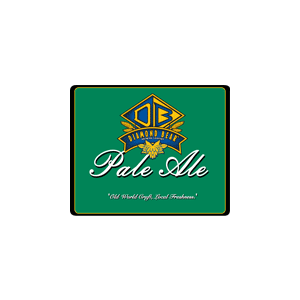
Diamond Bear Brewing Company Pale Ale
Check
Check
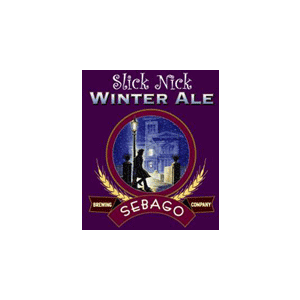
Sebago Brewing Company Slick Nick Winter Ale
Check
Check
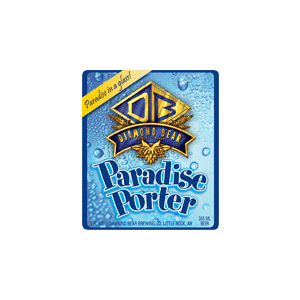
Diamond Bear Brewing Company Paradise Porter
Check
Sebago Brewing Company Frye’s Leap IPA
Check
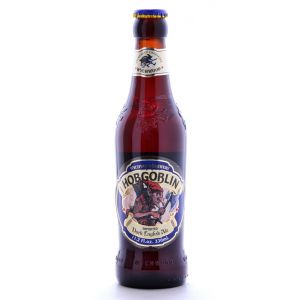
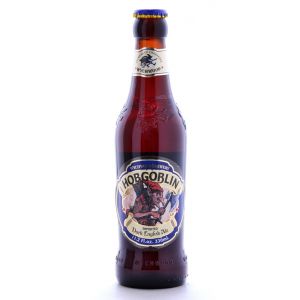
Wychwood Brewery (England) Hobgoblin
Check
Check
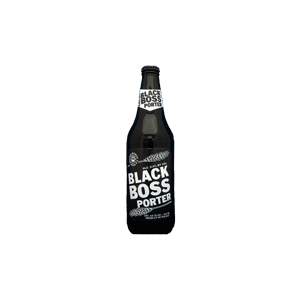
Browar Witnica (Poland) Black Boss Porter
Check
Check
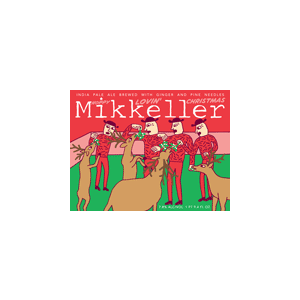
Mikkeller (Denmark) Hoppy Lovin’ Christmas
Check
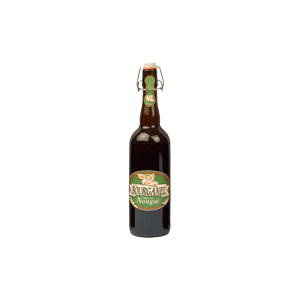
Brasserie de Bourganels (France) Bière au Nougat
Check

DOM = Domestic Beer Club; INT = International Beer Club; VAR = Domestic International Variety Beer Club; RBC = Rare Beer Club

I'm ready toPlace My Order Button

Diamond Bear Brewing Company (Little Rock, AR)

Built within what was once a Studebaker dealership, Diamond Bear Brewing Company became the first production brewery in Little Rock in more than 15 years when it opened in the fall of 2000.  For a state that is not known for its craft beer culture, this small brewery is a quite a treasure trove for lovers of good beer.  While Arkansas may not be home to many breweries or watering holes that serve up good local beer, Diamond Bear has managed to put the state on the map, bringing the region quality beers just as tasty as those of any other state in the union.

Arkansans have Germany and Russ Melton, the brewery’s CEO and president, to thank for the beer oasis that is Diamond Bear.  It was during Russ’ four year stint in the military in Germany that he picked up a taste for high-quality beer (a story we’ve seen repeated numerous times with other microbrewery founders).  In 1999, Russ and his wife Sue (both Little Rock natives) developed the idea for a local microbrewery.  With the help of seven other owners, Russ and Sue built the brewery and began production in September of 2000.  Their mission statement: “To provide the people of Arkansas and the surrounding region with their own local brewery, which produces great premium all natural beer products, which reflect favorably on Arkansas and the surrounding region.”  Well, to that we say “Mission Accomplished!”

To learn more about the brewery and scheduled tours, contact them at (501) 708-2739, or visit their website at www.diamondbear.com.

Pale Ale

Pale AleThis 2007 GABF Gold Medal winner is a very nice looking brew, pouring a crystal clear golden copper with a fairly sizable off-white head that leaves good lacing.  Brewed in the English Pale Ale style, we found the toasted malt undertones to be quite nice, with a healthy dose of lightly buttery caramel overlaid with earthy, spice-like hoppiness with a shade of nutmeg.  On the palate, expect this beer to present a very balanced approach.  The caramel malt backbone is quite robust and a touch grainy, while hop bitterness is appropriately moderate.  Look for the hops to come through somewhat citric and floral, but mostly spicy and tea-like.  Medium bodied and a bit slick, this brew finishes with a toasty, nutty, malt note and a bit of lingering bitterness.  A great beer for a cheese pairing, try it with peppery Monterey Jack and sharp cheddar.

Serving Temperature: 45-50°F
Alcohol by Volume: 6.28%
Int’l Bittering Units (IBUs): 33
Suggested Glassware: Pint Glass or Mug
Malts: 2-Row Pale, Caramel 40
Hops: Goldings, Cascade, Fugglest

Paradise Porter

Paradise PorterExpect the color of deep cola with flashes of garnet when held to the light.  On the nose, this porter is very true to style: Look for roasted malts, touches of dark chocolate and coffee, black currants, spicy hop notes, and a hint of licorice.  The aroma profile comes through on the palate as well, although the hint of licorice seemed to fade away in favor of a plum-like note.  While there are many “shades” within the porter styles, roasty notes are usually fairly prominent, and Paradise Porter is no exception, presenting strong, roasty, coffee-like flavors.  This brew finishes with a bitter kick from the hops and the black malt, and there’s a spicy, roasty final note that comes through with a certain lager-like cleanliness and leafy, earthy, minerally hops.  A great example of the style, we think this would be a great beer to enjoy over a campfire and s’mores, or as the perfect accompaniment to steak or pork chops from the grill.

Serving Temperature: 45-53°F
Alcohol by Volume: 6.27%
Int’l Bittering Units (IBUs): 38
Suggested Glassware: Pint Glass or Mug
Malts: 2 Row Pale, Caramel 80, Chocolate, Black
Hops: Amarillo, Glacier

Sebago Brewing Company (Gorham, ME)

Maine is one of those places that’s virtually synonymous with craft brewing, but, interestingly, the story of Sebago Brewing Company actually begins in another brewing mecca: Colorado.  It was at the University of Colorado Boulder that Maine native Kai Adams went to school, and it was in this town that his career in brewing began after taking a job at a local brewpub.  Quickly ascending from bottle-labeler to a full-fledged member of the brewing team, he learned the ropes and developed a passion for beer that would define the rest of his life.  After a successful battle with Hodgkin’s Disease at just 21 years of age, he returned home to Maine, eventually taking a job at the Sea Dog Brewing Company where he served as Head Brewer and learned traditional English brewing techniques as well as the business of operating a brewery.

It was during this time that Kai began to pursue the dream of starting a brewpub named after the local Sebago Lake on which he grew up.  To learn the restaurant side of the business, he went to work for Chili’s, where he met his future business partners Brad Monarch and Tim Haines.  The three opened their first Sebago location in 1998, and now there are four locations in southern Maine (three around the greater Portland area, and one in Kennebunk) as well as their state-of-the-art production facility in Gorham where top-quality Briess malts meet pure Sebago Lake water to produce their array of fine year-round and seasonal brews.

To learn more about the brewery or free tours and tastings, call (207) 856-2537 or visit www.sebagobrewing.com.

Slick Nick Winter Ale

Slick Nick Winter AleSlick Nick is Sebago’s winter release and is their most popular seasonal.  On the pour, expect a rich amber-auburn color capped by a moderate cream-colored head.  The nose presents some sweet caramel malt notes with some woody undertones, and herbal, spicy hops atop some fruity hints.  But it’s in the mouth that this beer shines brightest, with bold notes of holiday spices integrated throughout a complex tapestry of rich caramel malts, dark fruit, a touch of crushed citrus seeds, a woody, oak-like note, and a hint of vanilla.  The fairly firm hop bitterness merges very well with the alcohol of this rather hefty brew, providing a great, and at times vinous, counterbalance to the sweet malts.  The brewery recommends pairing with BBQ dishes and other grilled meats, and we agree.  But, we also think Slick Nick is a perfect after dinner drink; pair with a comfortable chair by the fire and a good book or good company.  Cheers!

Serving Temperature: 48-53°F
Alcohol by Volume: 6.8%
Int’l Bittering Units (IBUs): 38.8
Suggested Glassware: Pint Glass, Snifter, or Tulip
Malts: American 2-Row, Caramel 60, Black Patent
Hops: Tettnang, Northern Brewer

Frye’s Leap IPA

Frye’s Leap IPAIPAs are popular and we sample a lot of them, but we were particularly impressed with Sebago’s version and are excited to bring it to our members across the country. On the pour, Frye’s Leap presents a golden-copper hue with a moderate head that left plenty of lace on our glasses. The aromatics are, in a word, big. Overlaying a base of pale and mild caramel malt is a hop profile that’s very floral, with big fruity citrus notes akin to orange and a bit of grapefruit, with some pine resin notes for good measure.  Look for these aromas to continue to explode on the palate. Sebago dry-hops their IPA with a pound of Centennial and Cascade hops per barrel, allowing the pure hop oils to seep into the beer during the conditioning process.  The malts provide a nice backbone for the beer while staying out of the limelight, letting the hop profile steal the show amidst a very firm bitterness.  Finishes with a touch of caramel and a resinous, citric acidity that clings to the palate and won’t let go. Spicy food and IPAs are a natural match; try it with a moderately hot shrimp Pad Thai. Cheers!

Serving Temperature: 45-50°F
Alcohol by Volume: 6.8%
Int’l Bittering Units (IBUs): 55
Suggested Glassware: Pint Glass or Mug
Malts: American 2-Row, Caramel 60, Chocolate and Carapils
Hops: Centennial, Columbus, Cascade

Wychwood Brewery—Witney, Oxfordshire, England (South Central England)

Wychwood Brewery is one of only a few independent brewing companies left in England.  Is it their array of fantastical forest-lore creatures that keeps them safe from the brewery consolidation trend that has swept the country in recent decades?  Legendary spirits like the ‘Hobgoblin,’ ‘Scarecrow’ and the ‘Black Wych’ do seem to stand guard over the brewery, keeping the conglomerate nasties away while luring new fans in England as well as here in the US.

So how did the Wychwood Brewery become friends with this strange cast of characters?  The brewery’s history begins in 1983 when Paddy Glenny, an English brewer who had lived and trained in Germany, decided to start a brewing operation in Witney, an historic market town amidst England’s Cotswolds.  He bought Clinch’s Brewery, which had been founded in 1841 but closed since the 1960s, and set to work.  Paddy called his new brewery the “Eagle Brewery”. A small operation, the brewery originally produced only about 800 barrels per year. In 1985, Paddy was joined by Chris Moss, and the pair set about ramping up production.

In 1988, a local landlord hired the brewery to craft a special beer for his daughter’s wedding (an opportunity no brewer should pass up, considering Oktoberfest began in a similar fashion).  Chris Moss accepted the challenge and produced the famed Hobgoblin Ale (which we have to assure you did not bear that name at the time – imagine the bride and her father’s reaction if their celebratory wedding beer was called “Hobgoblin”!).  Some ale remained after the wedding, which was sold to the public and was an instant hit.  Chris and Paddy brewed more, and “legend” has it that a sketch of a Hobgoblin was left on a firkin of the beer when it was out of the brewers’ sight.  The name stuck, and the brewery embraced the theme, renaming the operation “Wychwood” in 1990 after the local Wychwood Forest.

It’s worth noting that Wychwood also brews organic beer under the Duchy Originals brand for Prince Charles (yep, that Prince Charles—The Prince of Wales).  In this capacity, they are the largest maker of organic beer in the UK.

To learn more about the brewery, check out their quirky website at www.wychwood.co.uk.

Hobgoblin

Pickled SantaA 2006 World Beer Championships Gold Medal winner and rated Exceptional (91 points) by the Beverage Tasting Institute, Hobgoblin pours a dark amber/ light brown color with an attractive head that leaves good lace.  On the nose, rich aromas of caramel, toffee, and maple syrup come forth, along with a bit of true-to-style butterscotch, dark fruits, and a touch of nuttiness and chocolate.  There’s also a certain woodiness, as if the beer had been drawn from the cask.  On the palate, expect a sweet richness that is restrained and well-balanced by light hop bitterness.  Notes of caramel, butterscotch, and raisins are joined by woody, tobacco-like tones, and it finishes with an earthy, almost musty, yeasty character.  This is quite a treat, and a great rendition of a dark English ale.  We recommend pairing it with a snack of red grapes and cubes of cheddar or cotswold cheese.

Serving Temperature: 48-53° F
Alcohol by Volume: 5.2%
Suggested Glassware: Pint Glass or Mug

Browar Witnica—Witnica, Lubusz, Poland (Western Poland)

The province of Lubusz has a long brewing tradition, which is not surprising considering its proximity to Germany, a country for whom brewing is practically a way of life.  Brewing in the town of Witnica (which then was just a tiny village known as Vitz) is documented as far back as the 14th century when Cistercian monks came to the area and brought their expertise in brewing with them.  It was in 1848, however, than the current brewery came in to existence.  Originally the property’s owner, Ernst Ferdinand Handke, merely leased the property to an existing brewing company, but by 1856 he had taken it over himself.  Operating under the name Stern Brau, the brewery expanded throughout the latter half of the 1800s, becoming, at the time, one of the most modern small breweries in the region.

In the aftermath of WWII, the brewery was nationalized by the new communist Polish state and was run by the regional Agricultural Combine.  With the fall of central planning and the transition to a market economy in the early 1990s, a new chapter in the brewery’s history began to unfold.  In 1992 the brewery regained its independence, transitioning into an employee-owned company and then into a stock company in 1995.  The brewery was expanded and modernized throughout the 90s and into the 2000s, including the addition of a new “green” natural gas boiler and waste water treatment plant.

Browar Witnica remains a small, regional brewery, only producing about 60,000 barrels a year.  In addition to the cities of Warsaw, Krakow, Lodz, Poznan, Jelenia Gora, and Szczecin, for the last decade the brewery has been exporting limited quantities of their beer to Germany, Austria, Sweden, and the USA, for which we give them a big “Thank You!”

Black Boss Porter

Santa’s ButtThe Baltic Porter style is most commonly brewed in Eastern Europe and Scandinavia, and is a hearty brew with much more of an alcoholic kick than your everyday American or British porter.  Black Boss is no different, although we found it a remarkably smooth and well-mannered version; some Baltic Porters can be downright aggressive (which we like too!).  On the pour, Black Boss offers a very dark reddish brown color with a sizable head.  The aromatics on this brew are quite complex; look for rich, sweet aromas of molasses, toasted brown bread, brown sugar, caramel, wood, coffee, and cola, with some dark fruity esters lurking below a light dosing of grassy hops.  Sweetness is apparent as soon as it opens on the palate, with roasted malts coming forth more prominently than on the nose, adding a light char-like character.  Some fig-like notes come through with a touch of rum, although the alcohol remains very, very well hidden in this brew.  The alcohol does help to thin the body a bit, and along with the mild hop bitterness helps to counter the beer’s inherent sweetness.  We found it finishes with a bit of tartness coming forward and some lingering notes of cocoa powder and coffee grounds.  At 9.4% ABV, Black Boss makes for an excellent nightcap and is a candidate for aging, as well.  We expect it to take on some sherry-like notes as it slowly oxidizes, which would be an interesting addition to the already complex flavor profile.  Na Zdrowie!

Serving Temperature: 48-53° F
Alcohol by Volume: 9.4%
Suggested Glassware: Pint Glass or Mug

Mikkeller—Copenhagen, Denmark (Central Eastern Denmark)

The Scandinavian beer scene continues to make strides. The number of microbreweries, many emulating the craft beers of the US microbrew revolution, has surged. This isn’t to suggest that they lack their own creativity—not at all. In fact, some of the most adventurous brews on the planet emanate from Scandinavia. One of the breweries that has led the charge in the creativity (and quality) department is Mikkeller, founded in the kingdom of Denmark by Mikkel Borg Bjergsø and Kristian Klarup Keller (the name Mikkeller is a combination of their first and last names). Their rise to beer geek prominence has been meteoric. In 2006, their first year in business, Mikkeller was named Danish brewery of the year, and the fifth best brewery in the world. The secret to their success? As Bjergsø, now in the business by himself (Keller left to take a job in another field) says, "We brew the beer we like, and we don't think too much what the customer wants." Not pulling any punches there... Turns out, customers like what he's doing. Mikkeller beers are highly coveted, which is why we couldn’t be more excited about bringing you one of their newest creations this month, about a month before anyone else in the country will have access. Merry Christmas, Happy Holidays, whatever… you’re welcome…

Despite the founding duo’s split, Bjergsø has not quite gone it alone. He's become a self-proclaimed “gypsy brewer,” working in a multitude of nations alongside some heavy hitters. He’s teamed up with brewing illuminati like AleSmith, Stone, De Struise, and Three Floyds, among others. Part of what's got Mikkeller noticed, besides their boundary-pushing beers, is their attitude. Bjergsø prides himself on pushing the envelope, while not taking himself too seriously. With amusing names like "Gone Cold Turkey?" "It's Alive!" "All Others Pale," "Drink Your Sorrows Away," and "Beer Geek Breakfast," he has fully, completely and totally embraced his brand’s beer geekdom. They recently brewed the world’s first Coffee IPA (“Koppi”), and a couple years back, Mikkeller brewed "Black," which they describe as "Denmark's strongest beer and Mikkeller's 'most violent' beer to date." Hell yes! They’ve recently had that beer distilled to make a beer schnapps that is currently in oak casks and weighs in at 58.6% ABV. This Danish brewer is on the cutting edge, steeped with the youthful, hip elements that have also helped make bands from Denmark some of the best break-out music-makers of the past 5+ years. There's a blatant intelligence, but not pompousness, paired with levity blended with high gravity. The fact is, Mikkeller is one of the coolest breweries out there (and they don’t even have their own brewery—go figure!).

Mikkeller started brewing beer in their kitchen, and set out to challenge the Danes' taste buds with intense taste adventures, seeking to provoke some inventiveness in Danish beer brewing. As they put it "why not show the way?" Mission accomplished Mikkeller. Thousands of beer geeks can’t be wrong.

Here are some examples of their distinctive brand of "artistic style”, courtesy of their incomparable spokesperson, Thomas Schøn:
http://youtu.be/OzU68oJD1Zk
(nice special effects!)
http://youtu.be/ffSEJre4aJw
(you’ll want to stick around for the tagline at the end…)
http://youtu.be/hXpFVPFHHJM
(take home quote: “kiss the Bratwurst”)
http://youtu.be/fqrtcQk3Ziw
(take home quote: “I got the worst hair day of my life and you’re offering me beer!?”)
http://youtu.be/4UBAfWyySmk
(take home quote: “you might have heard of me… but your girlfriend, your mother—they definitely know my name.”)
http://youtu.be/Qem0iqkkT-4
(take home quote: “all the guys were very excited…”)

For more information about the brewery, check out their website at www.mikkeller.dk

Hoppy Lovin’ Christmas

Hoppy Lovin' ChristmasPretty cool quirky little label going on here. Maybe someone’s kid made it? Yes, if that kid is named Keith Shore. But he’s an adult artist living outside Philly. It’s some weirdoes feeding deer mistletoe? This mofo’s a foamer, so pour carefully. Pours a copper color and is dressed by a thick, creamy off white head. The nose smells of hops, hops and more hops, including the traditional Pacific Northwest piney, grapefruity hop notes. Some caramel malt notes in the background, holding this holiday party together, but this is a hop heavy beer, as expected for the style, and for Mikkeller. Wafts of juniper and orange peel come to mind, and as it warms, it gives up a bit of its alcohol. Bit of earthiness and a basement-y musty note as well. This sucker is dank. Damn. On the palate, prepare for an intensity that is hard to describe. This beer has a brutal level of hoppiness, without being overly bitter. Massive hop flavor—quite remarkable, really—this has a depth of hop flavor that is truly rare. FLAVOR is the key—hoppy flavors being distinct from hoppy bitterness. Citrus, especially grapefruit, evergreen, mint, and raw tea leaves all rush the palate. There is just a perfect amount of ginger to complement the hops, giving an almost ethereal spicy character. Remarkably flavorful, yet somehow remains astonishingly easy to drink. Not overly sweet, nor brutally bitter, it just lets you experience the delicious Mikkeller hops explosion that it is. Don’t get us wrong, there’s plenty of bitterness finishing this bold IPA out, it just doesn’t seem to match the insane level of hop flavor. Part of the bitterness seems to be an herbal, truly piney note, suggestive of sap, but distinct from hop bitterness, and tons of grapefruit rind. PacNW all the freggin’ way. Some suggestions of plastic-y phenolics too, but maybe that’s coming from the ginger or pine needles, but it does give some subtle suggestions of Belgian yeast. Interesting, bold, yet subtle. What a treat. Only 20 cases of this beer are out there in the US beyond the stock that we snatched up for you, lucky member—it’s very limited and just about no one but you and your Rare Beer Club brethren will have the chance to sample it, so please, be kind, and share with someone deserving this season.

Serving Temperature: 45° F
Alcohol by Volume: 7.8%
Style: Spiced/Herbed Holiday IPA
Suggested Glassware: Pint Glass

Brasserie de Bourganels—Val-les-Bains, France (Southern France)

While France is not well known for its beer culture, there is plenty to speak of. More so in the northern part of the country, where the proximity to Belgium, notably Flanders, has allowed some beery spill over, but with their own definitive style. The north has seen somewhat of a resurgence of beer, however, southern France has not enjoyed the same, partly because there is not as long, deep-rooted a history of brewing there to which to return. When the number of breweries in France fell from an astonishing 2,372 in the 1890s to just a dozen by 1945, a relative few returned overall, but the concentration in the south of the country was exceptionally minimal.

The south of France does possess a rich and lengthy tradition of agriculture, and so it’s not surprising that some of the most beloved products grown there have made their way into the few beers of the area. Chestnuts, almonds, honey, verbena—all are produced in the region and are cherished fruits of labor characterizing the area. This agricultural richness is revealed in local cuisine, but it can be further showcased in beers that integrate those ingredients, and in the Ardèche region of southern France, brewer Christian Bourganel recognized that “a long tradition had disappeared in the South of France. At the end of the 20th century, I decided to revive it…” Originally brewing at the Castelain brewery, he founded his own Brasserie de Bourganels in 2000.

By providing another vehicle for local ingredients, residents and visitors alike are intrigued by the concept of this merging, but the expression of those ingredients within beer offers a wealth of new experiences, which is something that we’re sure will appeal to members of the Rare Beer Club.

The French may not be well known for their beer, perhaps paradoxically since Frenchman Louis Pasteur is widely regarded as the godfather of modern brewing; still we all know of the (sometimes infamous) French passion for life and living. From the art of love to the celebration of culture, to the art of eating well, French brewers are trying to perfect the art of enjoying life, and what better vehicle than beer could there be for such an endeavor? Wine, you may have cornered the French market, and obscured the world view of what France has to offer in fermented form, but beer presents a wealth of new opportunities to experience French culture and joie de vivre. This month, we share a bit of that experience with you. A santé!

Bière au Nougat

Magic GhostThis rare beer pours a deep straw color featuring some brassy hues. It’s capped by a thin white head that fades quickly to a collar. Presentation wise, it’s a fine looking pale brew, not unusual in appearance. One sniff, however, and you instantly know you’ve got something atypical on your hands. Expect very prominent notes of nougat (in this case, a local French version of chestnut honey and almonds comprises the cream of nougat used), offering a sweet, candy bar-like impression. Also found are notes of fresh, clean grains, and the blend of sweet and cereal works nicely. There’s no chocolate used, but as nougat and chocolate so often come together, we got an implied note of milk chocolate (just our brains playing tricks on us). The nougat provides notes of almonds most prominently, along with honey. Look also for a soft fruitiness not unlike cherries, with a waft of vanilla making an appearance as well. On the palate, while there is a richness to the beer, it drinks quite clean in the finish. Note that as the moderately sweet fruit and almond notes blossom, the flavor of nougat is unmistakable; it is deeply integrated into the beer, not feeling like an extract-y afterthought, but entrenched in the makeup of the beer. The nuttiness is moderately rich up front, and then offers a more nutty dryness in the finish. The sweetness quickly fades to the background as a minimal hop and grain bitterness rise up to dry things out a bit and refresh the palate for another sip. Late in the finish, expect a minor note not unlike Añejo tequila. No doubt, this beer is unusual, and very nicely done—and that’s a combination we can get behind. We’ve had other beers where nuts and honey were used, though threads from each can be difficult to identify. But Bière au Nougat certainly lives up to its name—you just cannot miss the nougat—and it’s certainly worth sampling, for the novelty alone. Turns out, in addition to being an unusual brew, it’s quite well made and has wonderful flavor—you can’t go wrong (unless you happen to dislike nougat). There are very few bottles of this beer available domestically. We have picked up the vast majority of it for our members, with a handful of cases reaching shelves at least a month after you receive yours. But do allow others to try this beer—it’s a great one to share during the holiday season, at gatherings, as people will be intrigued by your fancy French nougat beer. It’s not for everyone, let’s just make that clear, but none of our Rare Beer Club selections are, after all. If you want to explore something new and probably unlike any other beer you’ve had, or if you simply wish to see how a brewer can work magic by showcasing the distinctive flavors of their region, then this is a beer not to be missed.

Serving Temperature: 45° F
Alcohol by Volume: 5.0%
Style: Spice/Herb Ale
Suggested Glassware: Pint Glass

I'm ready toPlace My Order Button

C&H Internationals Logo Since 1994
Join Our Club
Gift Memberships

Membership Renewals
Reorders
Home Page
More Information
Current Selections
Past Selections
Testimonials
Other Gourmet Clubs
Corporate Gifts
Wedding Gifts
Brewery Search
Style Guide
Beer Fun Section
Industry Resources
Festivals
Print a Gift Card
Send a Virtual Brew
Refer a Friend
Send a Hint
E-Promos
Contact Us
Link to Us

1 - 800 - 625 - 8238
(Outside US call: 949-206-1904)
P.O. Box 1627, Lake Forest, CA 92609