Past Newsletters
December 2007
Brewery |
Beers Featured |
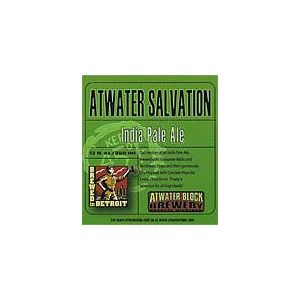
| Atwater Block Brewery | Salvation IPA |
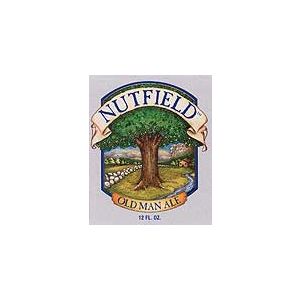
| Old Nutfield Brewing Company | Old Man Ale |
| Atwater Block Brewery | Vanilla Java Porter |
| Old Nutfield Brewing Company | Black 47 Stout |
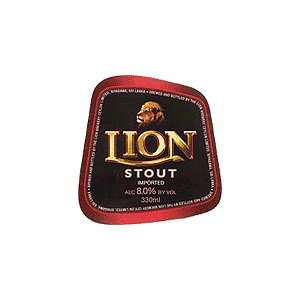
| Lion Brewery (Sri Lanka) | Lion Stout |
| Belhaven Brewery Company Ltd. (Scotland) | Scottish Ale |
Atwater Block Brewery
The Atwater Block Brewery is located in the heart of Detroit's Rivertown district. Housed in a reconditioned 1916 warehouse, the 18,000 square foot brewery features an imported state-of-the-art Kasper-Schulz German brewhouse and a 170 seat restaurant featuring a 60 foot bar with two-story glass walls that give patrons a direct view of the brewhouse.
The brewery has changed hands a few times, from the original group of investors who founded the place in 1996 to the 2nd set of owners who changed the name and founded the "Stoney Creek Brewing Company". Current owners Howard Hampton and Mike Rieth took over in 2005 when Stoney Creek owners hit troubled waters. The pair restored the original name and retained the original German brewmaster, Hazen Schumacher. The trio typically focus on German-style lagers, but this month, we're featuring a couple of their recently-created ales.
For more information about the brewery & brewpub—and scheduled tours—call (313) 877-9205 or check out their web site at www.atwaterbeer.com.
Salvation IPA
This very pale IPA has a certain sneakiness to it. On the nose, there are some thick, resinous piney notes, but they're not as freely aromatic as many domestic IPAs. Instead, they weigh heavily and really need a good swirl & sniff to be coaxed out—but they're in there, and they're quite layered, though this beer doesn't punch you in the nose with its hoppiness… Oh no… instead, it plays Trojan Horse, waiting until you imbibe and then rushing your palate with a sneak attack of hoppy bitterness—and that bitterness has some serious depth and staying power, providing a flavor arc that lasts on the order of minutes rather than seconds as the finish lingers, and lingers and lingers. Look for some honey-ish malt notes as well. But seriously, grab a stopwatch and time how long it takes after your first sip until you no longer taste this beer… True staying power. Throw this bad boy at a bombastically spiced Thai-curry dish.
Serving Temperature: 45-48° F
Int'l Bittering Units: 67.0
Alcohol by Volume: 5.75%
Suggested Glassware: Pint Glass
Malts: Pilsner, C-20
Hops: Galena & Dry Hopped with Cascade
Wake up and smell the coffee! Yes, this beer actually has vanilla and Java beans added to it, so stop asking and start sniffing. First thing you'll notice are the roasted coffee beans on the nose. Next thing to look for is the edginess that the vanilla adds to the aroma. Yes, vanilla can be edgy, so stop asking and start sipping. Look for roasted coffee notes, burnt chicory, ultra-dark chocolate and a lactic (milky) flavor. Expect the flavor to be smoother than the sharp nose suggests, presenting coffee, prominent vanilla, and slightly woody notes, rounded out by a chocolate milk and coffee-like finish and the slightest note of dark rum in the aftertaste. This beer begs to be paired with bitter, dark chocolate. And we have to pitch our Gourmet Chocolate of the Month Club here because it has perfect treats to pair with dark, chocolaty beers like this one and the Black 47 stout featured this month. Chocolate and beer go particularly well together (particularly rich, roasty, dark beers)—and, even if you're not looking to get into beer & chocolate pairings, you know someone out there who would love getting gourmet chocolate treats mailed to them on a monthly basis. You know it, we know it, so stop fighting and start ordering. Visit www.chocolatemonthclub.com to get a subscription started for someone (maybe yourself) today.
Serving Temperature: 50-60° F
Int'l Bittering Units: 16.0
Alcohol by Volume: 5.5%
Suggested Glassware: Pint Glass or Large Coffee Cup (just don't get caught if you're at work)
Malts: Pils, Chocolate, C-45
Hops: U.S. Goldings
Old Nutfield Brewing Company
Leaving their home in the port city of Derry, Ireland, a small group of families set sail in the spring of 1719 for freedom and a new land. They settled in New England in what became the town of Derry, New Hampshire, then known as The Nutfield Colony. In the tradition of his pioneering Irish ancestors, Jim Killeen sought to settle his own territory in his hometown of Derry with the creation of the Old Nutfield Brewing Company.
In August of 1994, with help from the Derry Development and Preservation Corporation, Jim leased space in an abandoned shoe factory. After months of fundraising, Jim and his wife, Tina, evicted the then-current tenants of the old shoe factory (a rather intimidating flock of pigeons), and began the job of converting the space from shoe production to brew production. One full year after procuring the space, the first beer ingredients were added to their traditional copper and brick brew kettle as they brewed their first commercial batch. Now in their 13th year, New Hampshire's "True Craft Brewery" is also the biggest microbrewery in the state.
For more information, call (603) 434-9678 or check out their web site at www.nutfield.com.
The name is a reference to New Hampshire landmark "the Old Man of the Mountain". Old Man Ale is the brewery's interpretation of an American Pale Ale, but it's got a distinctly British flavor profile. Look for subtle, citrusy hops on the nose; tame, not at all rambunctious, with prominent toasty notes wrought with a biscuity aroma. You'll also get quite a bit of diacetyl butteriness on the nose (and in the flavor). Expect the flavor to present very toasty malts, with a cracker-like flavor (think Saltines—and as it warms, you'll smell the crackers on the nose as well). Finishes with a slight Scotch and soda note and subtle floral hop aromatics. It's got complexity to it, but doesn't announce it—it went over our heads the first time we sampled it because it's got an atypical flavor for an American Pale Ale and novelty commanded our attention the first time around. Pair with New England Clam Chowder loaded with crumbled crackers. A delicious pairing that's great on a cold night to help keep 'old man' winter at bay.
Serving Temperature: 45-50° F
Int'l Bittering Units: 28.0
Alcohol by Volume: 5.1%
Suggested Glassware: Pint Glass (preferably English)
Malts: 2-Row Pale, Crystal
Hops: Cascade, Willamette, Tettnang
Named in recognition of the Irish Potato Famine of 1847, Black 47 is a true-to-style Irish Dry Stout, brewed with a combination of 2-row pale & chocolate malts and roasted barley. To balance this hefty grain bill, a blend of four different hop varieties are used. Expect notes of dark chocolate, roasted coffee beans and a touch of black treacle. This stout starts out semi-sweet like dark chocolate but quickly develops a dry, bitter, roasty character. Finishes with notes of espresso and a touch of citrus sweetness. Nice and dry, and best served at cellar temps and above. Overall, a very dark, roasted, robustly bitter brew. For pairing, try making a beer float: add 2 scoops of chocolate (or vanilla) ice cream to a pint glass, slowly adding the beer by tilting the glass and pouring down the side. Is it disrespectful to serve a famine-themed beer as a decadent dessert? Oh well…
Serving Temperature: 55-59° F
Int'l Bittering Units: 44.0
Alcohol by Volume: 4.9%
Suggested Glassware: Pint Glass or Mug
Malts: Pale Ale, Crystal, Chocolate, Roasted Barley, Black
Hops: Warrior, Cascade, Tettnang, East Kent Goldings
Lion Brewery Ceylon—Biyagama, Sri Lanka (Southwestern Sri Lanka)
A great distance from the eastern coast of Scotland, we now turn to the island nation of Sri Lanka to find the source of our second featured international beer, Lion Stout. While the span between these two lands is tremendous, there is an interesting link between these very different breweries. Back when Sri Lanka was known as Ceylon, it was colonized by Portuguese, Dutch and British citizens, among others. The British had a particular interest in the local hill country, as it provided an ideal climate in which to plant that most nationally demanded of plants—tea. The Scottish were quite experienced with tea cultivation, and in the 1800s there was no shortage of them living and working in the region. One particular Scotsman, Sir Samuel Backer, lived in the veritable Garden of Eden up in the hill town of Nuara Eliya. In 1849, recognizing the unquenched thirst of his fellow European patriots for their other favorite beverage (ale), he established Sri Lanka's first brewery, the Ceylon Brewery, at the foot of one of Nuwara Eliya's most beautiful waterfalls, knows as 'the Lover's Leap'.
Sir Backer set up the brewery in an effort to bring beer to the local colony dwellers and natives alike, but likely did not envision the tremendous success of the brewery, nor the fact that nearly 100 years after it was founded, his beer would find its way back to his homeland, the U.K., as a Sri Lankan export. As the brewery garnered attention from eager investors, financial contributions greatly enhanced and expanded the original brewery enterprise.
After being taken over by Murree Brewery of India in 1884, the present company was founded by Mr. G. W. Lindsay White in 1911. Under his stewardship, the brewery flourished even further, a trend that continues to this day. In order to meet expanding demand, a second brewery, the Lion Brewery Ceylon, was established in Biyagama. A spring flowing from the hills above the brewery supplies their clear, chemical-free water, and malts are obtained from the reputable maltsters in the Czech Republic, Britain and Denmark. Hops are sourced from Slovenia, and they have been using the same high quality British yeast for fermentation for more than 30 years.
If you'd like more information about the Lion Brewery Ceylon, check out www.lionbeer.com.
Sri Lanka just might be the only country in which every brewery makes a stout. Granted there are only about three brewing companies, but this is still an impressive commentary on the sophistication of regional palates. While Lion Stout is technically designated as a tropical stout, it is a hearty, traditional stout presenting the typically aromatic, chocolaty, coffee- and toffee-accented notes of a bold European or American strong stout. Note the pruny, mocha aromas & flavors and look for a hop-heavy yet smooth, peppery, dark chocolate finish. We recommend pairing this beer with anything accented with coconut, such as spicy Thai coconut beef, Sri Lankan curries or creamy coconut desserts accompanied by dark chocolate candy. Don't have any keen chocolates to accompany your Lion Stout? Well we do—and as a member of our Gourmet Chocolate of the Month Club, you could too! Visit www.monthlyclubs.com for more details about the remarkable boutique chocolates we feature each month, or give us a ring at 800-625-8238 to inquire about membership details—we'd love to hear from you!
Serving Temperature: 50-58° F
Alcohol by Volume: 8.0%
Suggested Glassware: Pint Glass or Snifter
Belhaven Brewery Company Ltd.—Dunbar, Scotland (Southeastern Coast of Scotland)
The Belhaven Brewery Company Ltd. is the oldest surviving brewery in Scotland, and one of the oldest in all of the U.K. Its roots as a commercial brewery go back to 1719, but most historians accept that a brewery has existed on the site since at least the Middle Ages. Indisputable is the fact that the two wells and some of the cellars contained within the brewery date from at least the 15th century, and credible evidence indicates that the wells were dug by Benedictine monks in 1415.
The brothers began their brewing legacy across the waters on the Isle of May, in the Firth of Forth, some 2-3 centuries before coming to mainland Scotland. Over the next few centuries the monks colonized Fife and the Lothians. They were eventually granted lands in the vicinity of Dunbar at the nearby harbor of Bele, which is today known as Belhaven.
The Benedictine, or "blessed" order was blessed indeed in the art of ale-brewing, though it seems their sacred brewing gifts were earned rather than ordained. The brothers worked at the Belhaven site for several hundred years, cultivating the land, planting crops and digging wells. So notable were their efforts and enduring their presence that the land on which the Belhaven Brewery now stands became known as "Monk's Croft".
By the 16th century brewing had been firmly established at the site; records document that Belhaven ale was supplied to the Franco-Scottish army, which was bent on invading England in the 1550s and which, at that time, was garrisoned at nearby Dunbar Castle. By the early 18th century the Brewery had come into the ownership of Mr. John Johnstone, an event commemorated by the carving of the date 1719 into a support beam still present in the brewery. A single family then owned the brewery for more than 250 years, firmly securing the styles and recipes of this famed brewers' (bel)haven.
If you'd like more information about the Belhaven Brewery Company Ltd., check out www.belhaven.co.uk.
This is one of the benchmarks of the "Scottish Ale" style. That being said, there's a lot variability among commercial varieties. In general, traditional Scottish ales have leant more toward sweeter, maltier flavor profiles than their dry, hoppy, British ale counterparts. The reason behind this is likely rooted in the fact that Scotland is home to abundant sources of malting barley but is quite distant from the principal European hop growing regions. Scottish ales also tend toward darker malts than English versions, and are often stronger on the whole. Belhaven Scottish Ale fits some of these criteria; it is maltier than hoppy, but part of its mass appeal has been its very refreshing nature, due to lighter body and lower-alcohol content. On the nose expect a subtle mustiness and slightly peppery hop aroma, both offsetting the honeyish, caramel malts, with an ever-so-slight note of anise. This medium-bodied beer has a smoky, gently peppery flavor that balances the firm malt backbone. Look for the caramel, honey-like sweet malts to become less bashful as the beer warms and an exceptionally clean finish. Some pairing suggestions: lamb chops with gravy, flame-grilled chicken and veggie skewers (a little bit of char on these will really marry the smoky elements in the beer) or a well-done, pepper-seasoned London Broil.
Serving Temperature: 40-50° F
Alcohol by Volume: 3.9%
Suggested Glassware: Pint Glass