The Microbrewed Beer of the Month Club

Past Newsletters - February 2012

Brewery
Beers Featured
DOM
VAR
INT
RBC
Granite City Brewing Company Duke of Wellington Pale Ale
Check
Check
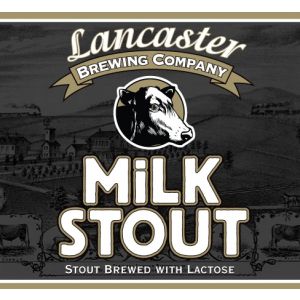
Lancaster Brewing Company Milk Stout
Check
Check
Granite City Brewing Company Brother Benedict’s Bock
Check
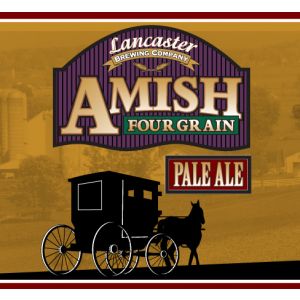
Lancaster Brewing Company Amish Four Grain Pale Ale
Check
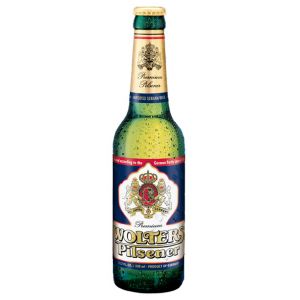
Hofbrauhaus Wolters (Germany) Wolters Pilsener
Check
Check
Hofbrauhaus Wolters (Germany) Wolters Fest-Bier
Check
Check
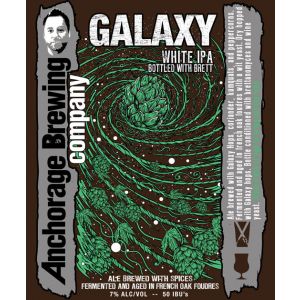
Anchorage Brewing Company (USA) Galaxy White IPA
Check
Sly Fox Brewing Company (USA) Ichor
Check

DOM = Domestic Beer Club; INT = International Beer Club; VAR = Domestic International Variety Beer Club; RBC = Rare Beer Club

I'm ready toPlace My Order Button

Granite City Brewing Company (Monroe, WI)

Granite City Brewing Company began in 1999 with the opening of the first Granite City Food & Brewery location in St. Cloud, MN (whose 100+ year history of local granite quarries lent the city its nickname of “The Granite City”).  Over the next two years, the brewpub company added two additional locations in Sioux Falls, SD and Fargo, ND.  The formula of good food, generous portions, reasonable prices, and great beer turned out to be a winner as there are now 26 Granite City locations in 11 states as of this writing, plus their brewery in Monroe, WI which supplies bottled beer to microbrew lovers in several Midwestern states.

The Granite City chain was founded by Steven Wagenheim and William Burdick, both experienced executives in the hospitality industry.  Burdick was a brewing chemist with a master’s degree in brewing science from Heriot-Watt University in Edinburgh, Scotland, where he also worked for the William Younger Brewing Company before going on to open 140 pubs across northern England in his position with Allied Breweries.  He returned to America, and in 1989 founded Sherlock’s Home Restaurant and Brewery in Minnetonka, MN – the first restaurant in the state to be allowed to brew beer on-site.  That same year, Wagenheim went to work for the Champps restaurant/sport bar chain.  After a while, however, he had developed a vision for a new type of restaurant and joined with his brewing friend Burdick to develop the Granite City concept.

Just prior to opening their Fargo, ND location in 2001, Burdick introduced a new, patented, brewing technique for brewpubs with multiple locations.  In the system (known by the tongue-in-cheek name “Fermentus Interruptus”) their central brewing facility completes the first steps of the brewing process, creating the hopped wort (pronounced “wert”), which is essentially beer prior to fermentation.  The wort is then sent to the individual brewpub locations where the fermentation and conditioning stages are completed.  The innovative technique helps the company minimize the need for a full array of expensive brewing equipment at every location, while providing the chain’s head brewer an exceptional level of quality control over the critical mashing, sparging, and boiling stages of brewing.

For more info on the brewery and restaurant locations, visit them at www.gcfb.com.

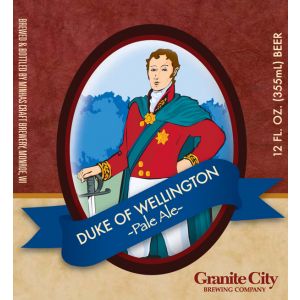
Duke of Wellington Pale Ale

Duke of Wellington Pale AleWhile it may be labeled with just the term “pale ale,” this brew is, more specifically, an India pale ale. Expect a rich amber color on the pour with a moderate haze and a nice cap of creamy foam. The malt presence is fairly strong on the nose, but it’s the hop profile that jumps out more, as we would expect from an IPA. Look for floral notes with a leafy edge along with citrus aromas, including grapefruit and perhaps even a hint of lime. On the palate we found the malt core to be quite toasty, with caramel notes and a nutty character. The malts are not bashful, providing a good platform to support the hop bitterness and flavors, which come across herbal and a bit earthy with a nice citric character. Firm hop bitterness and a mineral edge keep things quite dry, especially in the finish where the bitterness hangs on for a while. We found the Duke to be fairly light bodied, quaffable, and an excellent companion to a BBQ bacon and cheddar burger. The brewery also suggests BBQ roast pork chops or a buffalo chicken sandwich. Sounds good to us!

Serving Temperature: 40-47°F
Alcohol by Volume: 5.3 %
Int’l Bittering Units (IBUs): 63.9
Suggested Glassware: Pint Glass or Mug
Malts: 2-Row Base, Carastan, Carafoam, Crystal 135-165
Hops: Apollo, Willamette, Cascade

Brother Benedict’s Bock

Brother Benedict’s BockExpect a deep, brownish red color on this attractive craft lager.  Take a whiff and…yep, it smells like a bock, and a rich one at that.  The nose on this brew is very malt-centric with notes of sweet, rich caramel, toasted brown bread, and a bit of toffee.  Hops add a touch of earthiness.  Quite sweet on the palate, expect big caramel notes with brown sugar, cocoa, and a fairly bold fruity character reminiscent of fig and raisin.  Expect a very smooth and creamy medium body with fine, light carbonation.  Per the style, hops are restrained in both bitterness and flavor/aroma to allow full expression of the malts, but they do show up enough to offer a mild counterpoint, with an earthy, lightly woody aspect.  Finishes a tad nutty but quite clean.  Bocks go well with nutty, earthy cheeses and a variety of German foods; we’re particularly fond of the malty sweetness as a foil to a nice spicy bockwurst.  Prost!

Serving Temperature: 45-52°F
Alcohol by Volume: 4.58%
Int’l Bittering Units (IBUs): 18.0
Suggested Glassware: Mug, Pilsner Glass, or Stange
Malts: 2-Row Base, Light Munich, Caramunich Type 3, Chocolate
Hops: Apollo, German Tettnanger

Lancaster Brewing Company (Lancaster, PA)

At one time in the early 19th century, seven percent of all beer produced in the U.S. originated in Lancaster County, PA.  While the county’s brewing tradition began with innkeepers brewing in back rooms, by the end of the 18th century the scale had increased dramatically with an influx of English and Scottish immigrants.  During the 1840s a new wave of German immigrants brought their own ancient brewing traditions to the region, adding German style lager beers to the existing British ale repertoire.  It was during this era that The Daily Intelligencer, the city’s local newspaper, nicknamed Lancaster the “Munich of the United States.”  Then in 1919, Prohibition came along and largely destroyed the region’s brewing industry, although several Lancaster brewers did, in fact, continue brewing, some even openly – at least until Federal police showed up and started to crack down.  Brewing did resume after Prohibition was repealed, but the damage was done and by 1956 all the region’s breweries had folded.

Almost four decades passed without a brewery in Lancaster, until the Lancaster Malt Brewing Company was founded by brewmaster Christian Heim and business partner John Frantz in 1995.  Ownership (and the name) changed in 2002, although Heim and Frantz stayed with the brewery.  In late 2009, Heim and Frantz left the company and Bill Moore came into the position of brewmaster, bringing with him over twenty years of brewing experience at such illustrious brewers as Stoudt’s and Sly Fox.

For more information about the brewery and their restaurant give ‘em a ring at (717) 391-6258, or visit www.lancasterbrewing.com.

Milk Stout

Milk StoutA traditional British style, milk stouts have unfermentable lactose sugar added for an extra dimension of sweetness in an otherwise dry brew.  Lancaster’s version is among the best we’ve sampled in the last few years.  Expect a nearly black pour, capped by a rich, attractive brown head.  On the nose there’s a definite roasty, char-like black malt center with hints of coffee and very dark chocolate accompanied by scorched nuttiness, a somewhat woody character, and a bit of lactic creaminess.  Expect these aromas to come through on the palate, with heavily toasted bread crust and more than a hint of smoke.  Perhaps most notable, however, is the lactose sugar sweetness that builds from the opening, through the mid-palate, and into the finish as it provides an effective foil to the very dry black malt notes and adds a creamy character to the body.  We like milk stouts with chocolate cake a la mode, drizzled with caramel or chocolate sauce.  The interplay between the cake and ice cream reminds us of the interplay within the beer.  Enjoy!

Serving Temperature: 48-55°F
Alcohol by Volume: 5.3%
Int’l Bittering Units (IBUs): 22.0
Suggested Glassware: Pint Glass or Mug
Malts: 2-Row Barley, Caramel, Chocolate, Black, Roasted Barley, Lactose
Hops: Cascade, Goldings

Amish Four Grain Pale Ale

Amish Four Grain Pale AleLancaster has taken an interesting approach with this pale ale, using not only barley malts, but rye, oats, and wheat, as well. It pours a clear, fairly deep amber-copper color with an off-white head that drops some lace down the side of the glass. Expect a somewhat grainy, toasty, and lightly bready malt aroma overlaid by mild-to-moderate grassy, spicy hop notes and an intriguing touch of tropical fruit. We found the malt sweetness and hop bitterness fairly well balanced on the palate. Look for a toasty and crackery malt expression with a distinct spicy rye note and a certain earthy tone. This brew is dry-hopped with Saaz, a Czech varietal well-known for its spicy, herbal, and somewhat earthy character. It’s a somewhat unusual approach for an American-style pale ale, but so is the whole four grain malt bill, and it compliments the malt character well. Cheers!

Serving Temperature: 40-47°F
Alcohol by Volume: 5.6%
Int’l Bittering Units (IBUs): 28.0
Suggested Glassware: Pint Glass or Mug
Malts: 2-Row Barley, Rye, Oats, Wheat, Munich 20
Hops: Willamette, Fuggles, Saaz

Hofbrauhaus Wolters—Braunschweig (Brunswick), Lower Saxony, Germany

The story behind Hofbrauhaus Wolters reaches as far back as 1627, when Zaccharis Boiling received approval to begin brewing and selling beer in Brunswick, Germany.  In 1734, Heinrich Levin Wolters came into control of the brewery, lending his name to the operation and starting a dynasty that would last through six generations of Wolters family brewers.  The Wolters brewery has been a landmark in the city for hundreds of years, with the Duke of Brunswick even selecting Wolters as the official beer supplier to his court (and in fact, the brewery adopted the Dukedom of Brunswick’s coat-of-arms as their logo, which you can see on their labels to this day).

Like so many other breweries across Europe, Wolters endured an extremely difficult and dark time during World War II.  Large portions of the city of Brunswick were wiped out by Allied bombing raids, and the brewery suffered extensive damage.  Fortunately for the brewery and all the residents of the city, after the war Brunswick was located within West Germany.  While many breweries in East Germany languished under communist government control, Wolters managed to not only resume operations, but to grow their business and modernize their brewing operations significantly.  The brewery was reconstructed in 1947, and a large renovation and modernization effort in 1976 transformed Wolters into a world-class brewing facility.  In 2003 Wolters was acquired by brewing conglomerate InBev, but the marriage didn’t last long.  By 2006 Wolters had split from InBev, re-emerging as a private brewery in control of its own fate once again – a healthy development in our opinion in a world increasingly dominated by mega brewers like InBev (which went on to merge with Anheuser-Busch in 2008).

As a long-established regional brewery and sponsor of local beer festivals, Wolters has traditionally focused their marketing efforts and growth targets in the greater Lower Saxony region in an approximately 50 mile radius from Brunswick.  However, they’ve recently begun exporting their beers (essentially taking on their former InBev owners, who had effectively shut down Wolters’ previous export business in favor of their big international brands).  Within just the first two years they established export markets in diverse countries around the world including the U.S., China, Lithuania, Ireland, Romania, and Mexico.  Their success is testament to the quality of traditional German, all barley malt beer (as opposed to the rice and corn adjunct grains that are commonly used in cheaper beer around the world, including by the mega breweries in U.S. and elsewhere), and proves there’s a thirsty public out there that demands the good stuff.  Prost!

Wolters Pilsener

Wolters PilsenerIt’s worth noting before we begin that it is acceptable to spell the name of this style of beer as “pilsner” or “pilsener.”  The style originated in Pilsen, Czech Republic, but of course the Czechs spell Pilsen as “Plzeň,” so perhaps we should consider another spelling: “plzener.”  Oh well, enough of that – on to the beer.  On the pour, Wolters Pilsener presents a crystal clear, bright straw color with a fluffy bright white head.  On the nose expect pale, crackery malt aromas, notes of hay, and a grassy and lightly floral noble hop character.  In the mouth we found this brew light bodied and crisp with a nice soft bite from the carbonation.  The mildly floral and grassy hop aromas come through on the palate too, in perfect balance with the light pale malt sweetness hinting toward white bread dough.  We found it went great with grilled chicken sandwiches covered in pepper jack cheese, bacon, and tomato.  Enjoy!

Serving Temperature: 40-45° F
Alcohol by Volume: 4.7%
Suggested Glassware: Pilsner Glass

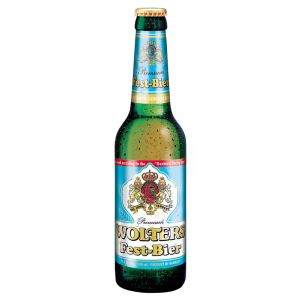
Wolters Fest-Bier

Wolters Fest-BierWolters Fest-Bier pours a light coppery-amber color with a large, pillowy, head from an aggressive pour.  On the nose, look for notes of lightly toasted bread, biscuits, mild Munich malts, and a touch of honey sweetness.  Overlaying the malts are some herbal and grassy noble hop aromas, providing a very German character, along with a touch of fruit hinting toward apple flesh.  On the palate, the beer comes across fairly round and medium bodied.  Expect flavors of sweet bready malts, light caramel, hints of paper, a somewhat dusty and earthy lager yeast quality, and a very mild tart note in the finish.  This is a perfect beer for a beer festival; some versions of the festbier style lean more toward what we would think of as a classic märzen, with a fuller-bodied caramel malt character and very strong bready notes, but Wolters brews their Fest-Bier a bit lighter with a somewhat more pronounced noble hop profile of grassy, herbal, spiciness that is emblematic of so many great German beers.  The creamy, finely-carbonated, medium body of this brew is a delight, and kept us coming back for more.  Enjoy with some brats or knockwurst and sauerkraut, or a hearty stew.  Prost!

Serving Temperature: 45-50° F
Alcohol by Volume: 5.4%
Suggested Glassware: Mug or Stein

Anchorage Brewing Company—Anchorage, Alaska

This month we’re very excited to be featuring a new brewing outfit that is already beginning to make big waves in the craft beer universe, impressing the relatively few lucky souls who have managed to taste their superb beers, as well as scoring a #1 position on RateBeer’s recently released “2012 Top New Brewers In The World” list. We think this brewery has a bright future and after tasting their newest offering, Galaxy White IPA, we knew we absolutely had to introduce them to our members ASAP.

Gabe Fletcher has been a serious force in craft brewing in Alaska for over a decade.  As the head brewer for the Midnight Sun Brewery in Anchorage, he was directly responsible for their tremendous growth over the years, as well as for producing such beers as their award-winning Arctic Devil Barley Wine and their legendary M Belgian-Style Barley Wine, a beer which has earned a perfect score of 100 from the members of BeerAdvocate.com.

Despite his many successes at Midnight Sun, in the summer of 2010 Gabe decided to strike out on his own, to pursue his passion for brewing unique beers, aging them in wood, and experimenting with using brettanomyces and other “critters” to produce flavors both unexpected and exceptional.  Rather than go the traditional route and buy his own brewhouse, Gabe hit upon the unique idea of renting time on the system of the Sleeping Lady Brewery in Anchorage, as well as space in their basement.  This is not contract brewing; Gabe does all the brewing himself, simply using someone else’s equipment.  Doing this allowed Gabe to invest his capital where he really wanted to put it: wood.

Visiting the Anchorage Brewing Company, as Gabe’s new venture is known, is a bit like being invited into the Bat Cave.  You take an elevator to the basement, wind through some hallways, until you are confronted by a locked door.  Once Gabe unlocks the door, you are ushered into a beer lover’s wonderland of wood.  There are racks and racks of barrels—chardonnay, cabernet, pinot noir, over 160 in all.  There are massive French Oak foudres, wooden vats holding over 600 gallons each. Using each different barrel as a master craftsmen uses his tools, Gabe produces his beers, most of which are bottled in 750ml bottles for distribution via Shelton Brothers.

And what amazing beers they are! Gabe has released six beers so far. The first four were each triple fermented: a primary fermentation in stainless steel, a long secondary fermentation in French oak wine barrels dosed with brettanomyces, and a final bottle-conditioning.

Released first was Whiteout Wit, brewed with Sorachi Ace Hops, spiced with lemon peel, coriander, and black peppercorn, and aged in French Oak Chardonnay barrels.  It finished at 6.5% ABV, 20 IBUs. Next was his Bitter Monk Double IPA, 9% ABV and a massive 100 IBUs from Apollo and Citra hops, with Citra dry hopping during aging with brettanomyces in French Oak Chardonnay barrels.  Then came his Love Buzz Saison, 8% ABV and 40 IBUS, brewed with Amarillo and Simcoe hops and spiced with fresh Alaskan rosehips, fresh orange peel and black peppercorns. It was aged in French Oak Pinot Noir barrels with brettanomyces.  Finally, there was The Tide and Its Takers Tripel, brewed with Sorachi Ace and Styrian Golding Hops, aged in French Oak Chardonnay barrels with brettanomyces. It finished at 9% ABV & 30 IBUs.

Given his creative genius and skill as a brewer, Gabe Fletcher and his Anchorage Brewing Company represent one of the most exciting developments on the craft brewing scene in the last several years.

Galaxy White IPA

Galaxy White IPAYou’ve heard of (regular) IPA, Double IPA (or Imperial IPA), and maybe even Black IPA, Belgian IPA or Double Black IPA. But what’s a “White IPA”? That’s a good question, and it’s not yet all that clearly defined—more of a work in progress. The basic idea (thus far) behind so called White IPAs is a Belgian-style spiced wheat beer (a wit) that is aggressively hopped and has an above average alcohol volume. With the creation of new beer styles comes this sort of emergent period where things are pretty wide open to interpretation—so, let’s see where brewer Gabe Fletcher takes us with his take on “White IPA”… He’s certainly pulled out all the stops in this remarkable brew, with ingredients/influences from four different continents: Australian Galaxy hops, Indian coriander and black peppercorns, North American wheat, fresh kumquats from Asia, and fermented and aged in French oak foudres with a Belgian wit yeast.

Galaxy White IPA pours a pale butterscotch color, nicely hazed and just what we expect in a witbier. Also present is the characteristic brilliantly white head that a wit ought to possess. The aroma is quite alluring—intensely citrus-forward, with a blast of aromatic hops. Expect notes of fresh lemons and oranges, as well as grapefruit-and-pine hoppiness. It’s a pretty intense hoppiness; all the more impressive is the fact that it’s coming from a single variety (Galaxy). We’d have thought it was a Pacific Northwest variety, especially since this beer is brewed in Alaska, but no, these hops are from down under. Spare no expense, right? Also look for suggestions of passionfruit, which Galaxy hops are known for, but it’s pretty tough to say if that’s just the hops, or also the fresh kumquats. We’re not sure either if the subtle tartness on the nose is exclusively from the wheat, the Brett, the kumquats, or some interplay between all three, but there is a nice, fresh, citrusy tartness suggested in the aroma. The Brettanomyces is also casting off just a touch of pineapple. The beer is young right now, so the funky characteristics from the Brett will increase with time. We also got quite a bit of the coriander coming through as well. Quite a complex aroma, but let us say that for all that’s going on in this beer, it’s just beautifully melded together. On paper, this gathering of ingredients may seem like some mad scientist-brewer’s wild-eyed experiment, and it certainly could be (the winters are very long in Alaska), but that aside, the fusion is gentle and reveals an impressive artistry.

For all its soft, suppleness on the nose, the flavor has plenty of Alaskan ruffian to it. Expect plenty of citrus notes, with a touch of sourness coming from the interplay of the wheat (sour), hops (citrus) and kumquats (sweet citrus and bitterness), all giving the impression of lemons. But like a proper IPA, there’s quite a hefty bitterness. In this case, the bitter notes are coming not only from the hops, but also the kumquats (think orange rind) and the herbs and spices. The finish is quite lengthy, and if you give the palate time to try to recover between sips (it won’t, by the way, this is pretty much a palate thrasher), that’s when the black peppercorns show up, leaving a distinctive tingle that really does taste like freshly cracked black pepper.

Galaxy White IPA is a brand new beer, so we haven’t had any aged samples, but the Brettanomyces and wine yeast used for bottle conditioning this brew will go to work, “funking” things up and even drying it with age. The hops will fade too, so we’re expecting this beer to really change with time in the bottle. Having been matured in French oak foudres (which are large casks, bigger than standard barrels, usually used for maturing, storing or transporting wine), the influence of the oak is a bit tough to pull out of the beer when young (look for a faintly spicy woodiness amidst the citrus peel notes). But the oak notes are likely to blossom as the beer ages and the currently vibrant hoppiness subsides. We’ve kept a few bottles for ourselves as we will definitely be checking in on this beer every six months for at least the next two years (if we don’t drink it all in the next few weeks… damn this stuff is good). We’re happy to debut it for our members, who will receive it 3-4 weeks before it can be found outside of Alaska, in limited distribution. Cheers!

Serving Temperature: 45-50° F
Alcohol by Volume: 7.0%
Style: Spiced White IPA
Suggested Glassware: Tulip, Goblet, Oversized Wine Glass

Sly Fox Brewing Company—Royersford, Pennsylvania

The Sly Fox story began in 1994 when Pete Giannopoulos, who left his job in corporate sales earlier that year to pursue his dream of opening a brewpub, found a site in southeastern Pennsylvania that seemed perfect—an old inn with a barn that he envisioned as a future brewery. But when he talked to the New Jersey investors who’d been encouraging his search, he discovered that talking was the extent of their game.
But did he fuhgettaboutit? Not a chance.

It was a disappointment, but as the old saying goes (we’re taking some editorial liberties here), when the going gets tough, the tough get sly. Having lost the investors he thought were on board, things all fell into place with a single suggestion from family patriarch, Dr. Peter H. Giannopoulos: “Why not let us be your partners?” With that, what had been simply a personal business prospect suddenly became a prospective family trade.
In the end, even with family investments procured, that original site didn’t pan out, and for a couple of months with no luck finding an alternative, Pete began to reluctantly consider a return to the corporate world. Then, another family member came to the rescue. During a phone call from Pete’s mother, she mentioned walking around Pikeland Village Square on Rt. 113 in southeastern PA, where she noticed a large building with a ‘vacant’ sign on the door. “I think I’ve found the place,” she told her son. And indeed she had. The Sly Fox had found its den.

Pete quickly went to work designing the pub, while he and his younger brother John set out to become professional brewers. The whole family pitched in, with Mrs. Giannopoulos helping to decorate and various aunts and uncles helping out. Older brother Harry was put in charge of the books and financial records, while younger siblings Wendy and Glenn signed on to work at the pub.

The name “Sly Fox” was arrived at during a “family meeting” (there were lots of those in those early days) to reflect the brewpub’s home in Pennsylvania’s Chester County and the area’s fox-hunting tradition. An original logo modified from a drawing of Pete’s showing a smiling fox lifting a pint was hung above the entrance. And with that, The Sly Fox Brewhouse & Eatery opened its doors on December 20, 1995.

The brewpub’s first brewer was Pete’s brother, John Giannopoulos, who was succeeded in the brewhouse by Brady Van Duff, his former assistant. Van Duff was followed in turn by Bob Waterman before award-winning brewer Bill Moore (Stoudt’s, Independence) came aboard in 2000-2001 and manned the kettles until current head brewer Brian O’Reilly arrived in March 2002. Brian had been bit by the beer bug during an overseas study program in Austria during his college years. After graduation, he began working at an area microbrewery, then moved on to an assistant brewer position at New Hampshire’s Brewers Bier Haus where he honed his craft under brewmaster Phil Markowski (whose excellent Cuvée des Fleurs we have featured previously). O’Reilly took over when Markowski left to become brewmaster at Southampton Publick House. After a few other stops, O’Reilly came to Sly Fox where his innovative versions of Belgian and German beer styles, among others, have won the brewery high praise and national recognition. He also happens to be a charismatic fellow with keen marketing skills; shortly after Brian joined Sly Fox, demand went up—due to his incredibly well-crafted brews, of course, but also because of his contagious enthusiasm and talent for promotion.

Since opening 16 years ago, Sly Fox has relocated the original brewpub and opened a full production brewery. In 2006, they added a canning line, making them the first brewery in the Mid-Atlantic region to use canned beers as their primary package. That move made Sly Fox one of the forerunners of the canning revolution that has been sweeping the industry ever since. One of our beer panel members recalled trying her first canned beer—it was Sly Fox’s Pils, and it was “gloriously, shockingly great.”

We love The Sly Fox! The beers are always solid, often staying very true to style, which is quite common in Pennsylvania, having a long legacy of brewing top quality, supremely drinkable beers. Which is not to say that these guys don’t step outside of stylistic boundaries—they do (Green Peppercorn Triple, anyone?)—but you can always count on a solid beer from these guys. If you have the chance to visit them at their brewpub or brewery, do it—you’ll see family, friends and better beer fans gathered under one roof, basking in the glory of this local treasure trove for good beer and eats. For now, in lieu of a visit to the brewery, we’re offering you a great cellaring beer—which just happens to be their strongest bottled beer: Ichor. Enjoy your transformation from mere mortal to godliness. Cheers!

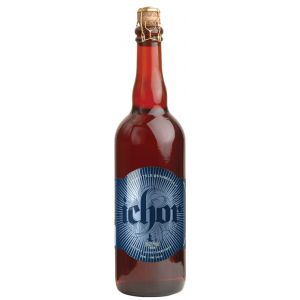
Ichor

Ichor“In mythology, Ichor was the rarified element which flowed through the veins of the gods, making them superior to mere mortals. In reality, Ichor is an extraordinary Belgian-style Quadruple which allows mortals of discriminating taste to enjoy an experience of almost godly perfection.”

Ichor is an Abbot style Quadruple brewed with German Pils and Roast malts, Belgian Candi Sugar, and German Tradition hops. Expect it to pour a burgundy brown color, capped by a frothy, off white head. There is a slight, initial waft of Belgian-style farmhouse funk, supplemented by notes of gingerbread, pumpernickel, Irish cream, cookie dough, plums, raisins and date nut bread. Look for a bit of candied orange peel as well, not to mention some citrus/over-ripened orange notes. Notes from the aroma develop in the flavor profile, but are a bit inhibited by an undercurrent of alcohol, and also colored a bit with some tasty chocolate notes and even a touch of coffee. As Ichor warms, expect some leathery notes to emerge. This beer really just keeps on giving and giving as it comes up in temperature, evoking raisins and oranges soaked in liquor (a liquor that is somewhere between añejo tequila and dark rum), with an ever present brown sugar note. With flourishes of sour/granny smith apples as well, there’s a bit of something for everyone. There are some unexpected flashes of vanilla in the finish, suggesting some oak aging, but this beer has not seen any wood at all. Also look for suggestions of coriander and cardamom. The Belgian yeast has really worked its magic on this brew. The finish also suggests grapes, especially as it warms, as well as toffee. Wraps up with a faint spicy heat (peppery, probably from the alcohol). Some euro-pastries going on here too: think croissant with a bit of chocolate spread. Even with plenty of sweetness in this beer, the brewers have managed to balance things quite nicely with a hop profile that bitters things up a bit in the finish. The sweetness prevails, but it was a noble effort on the part of the hops. Overall, this is a big, tasty beer that melds tradition with modern craft brewing creativity. It gets a little hot here and there—but hell, whaddya expect—it’s 20 proof—not to mention being the blood of the gods! While it is certainly ready to drink now, this beer will only improve with careful aging. As a bottle-conditioned beer of stature, Ichor will hold up well in the bottle for at least 3 years. Maturation will occur from 3 to 48+ months. We have enjoyed it fresh, and, at 1, 2 and 4 years old, but we’re told if treated right (stored at consistent, cellar temperatures) it will provide a nice treat for up to 10 years. Consider picking up enough bottles now to allow yourself the opportunity to do a “vault check” at 1, 2 and 3+ year intervals. You won’t be disappointed.

Serving Temperature: 48-55° F
Alcohol by Volume: 10.0%
Style: Belgian Abbot Quadruple
Suggested Glassware: Tulip or Snifter

I'm ready toPlace My Order Button

C&H Internationals Logo Since 1994
Join Our Club
Gift Memberships

Membership Renewals
Reorders
Home Page
More Information
Current Selections
Past Selections
Testimonials
Other Gourmet Clubs
Corporate Gifts
Wedding Gifts
Brewery Search
Style Guide
Beer Fun Section
Industry Resources
Festivals
Print a Gift Card
Send a Virtual Brew
Refer a Friend
Send a Hint
E-Promos
Contact Us
Link to Us

1 - 800 - 625 - 8238
(Outside US call: 949-206-1904)
P.O. Box 1627, Lake Forest, CA 92609